

On This Day in Pop: August 3, 1963
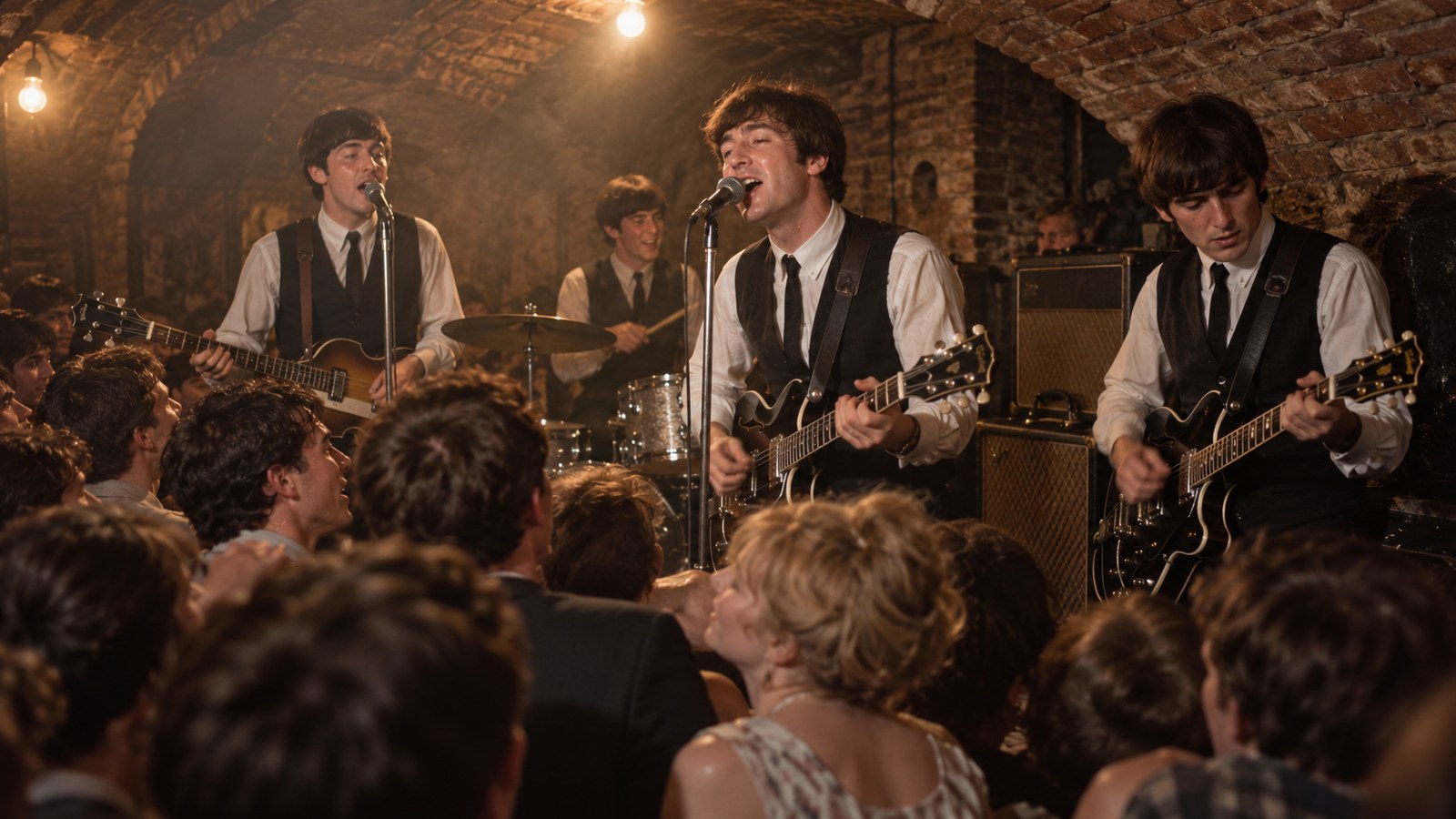
On August 3, 1963, the Beatles played their final advertised show at Liverpool’s Cavern Club. The group returned to the cramped Liverpool cellar where it had developed its stagecraft through hundreds of lunchtime and evening appearances. By then ‘Please Please Me,’ ‘From Me to You’ and ‘She Loves You’ had transformed the local attraction into a national phenomenon, and the club could barely contain the demand. A power failure interrupted the set and reportedly forced the musicians to continue acoustically while the electrical problem was addressed. The imperfect farewell suited a venue defined by heat, brick arches, condensation and close contact between performers and listeners rather than polished theater presentation. The date is a useful point of entry because it captures the event before later reputation made its consequences appear inevitable. Contemporary audiences encountered a new release, performance or public loss in real time, with incomplete information and expectations shaped by the media and institutions of the period.
The Cavern years had given John Lennon, Paul McCartney, George Harrison and, later, Ringo Starr the repetition needed to tighten arrangements and handle unpredictable crowds. Leaving that room behind marked the widening gap between a local community’s band and an act increasingly managed through recording schedules, national tours and controlled media appearances. Popular culture is created through more than the famous person at the center: producers, technicians, exhibitors, broadcasters, audiences and physical venues all affect what survives. Looking closely at those conditions prevents an anniversary from becoming a list of familiar names and restores the choices, limitations and competing interests that surrounded the moment.
The Beatles never returned for another advertised performance, though the Cavern’s identity remained permanently tied to them. The original club later closed and was filled during railway construction; a reconstructed venue opened nearby using salvaged bricks and became a center of Liverpool’s musical tourism. That later history matters because influence is not a straight line. Works are rediscovered, technologies change, communities attach new meanings and commercial owners repackage the past. The most durable pop events remain open to argument, allowing admiration for creative achievement to exist beside criticism of exclusion, labor, power or representation.
August 3 remembers a last club date rather than a formal retirement. It captures the point when success made the conditions that created the band impossible to repeat, while the Cavern became a symbol of how local scenes can launch culture far beyond their walls. Anniversaries can flatten history into celebration, but they can also reopen it. Returning to this August date means separating what participants knew then from what later audiences added, and noticing how recordings, photographs, broadcasts and personal memories keep the event active. That distance between the immediate moment and its long afterlife is what makes this episode worth revisiting as part of popular culture.
The Beatles played their final advertised Cavern Club show on August 3, 1963.
On August 3, 1963, the Beatles played their final advertised show at Liverpool's Cavern Club. The group returned to the cramped Liverpool cellar where it had developed its stagecraft through hundreds of lunchtime and evening appearances.
A power failure disrupted the performance in the crowded cellar venue.
The Cavern years had given John Lennon, Paul McCartney, George Harrison and, later, Ringo Starr the repetition needed to tighten arrangements and handle unpredictable crowds. Leaving that room behind marked the widening gap between a local community's band and an act increasingly managed through recording schedules, national tours and controlled media appearances.
The club's small-stage discipline helped shape the group before Beatlemania expanded nationally.
The Beatles never returned for another advertised performance, though the Cavern's identity remained permanently tied to them. The original club later closed and was filled during railway construction; a reconstructed venue opened nearby using salvaged bricks and became a center of Liverpool's musical tourism.
Explore more of "On This Day ..."
Discover more events from the same date across news, politics, technology, sports, and other fields. Each link highlights significant moments that shaped history on different fronts.