

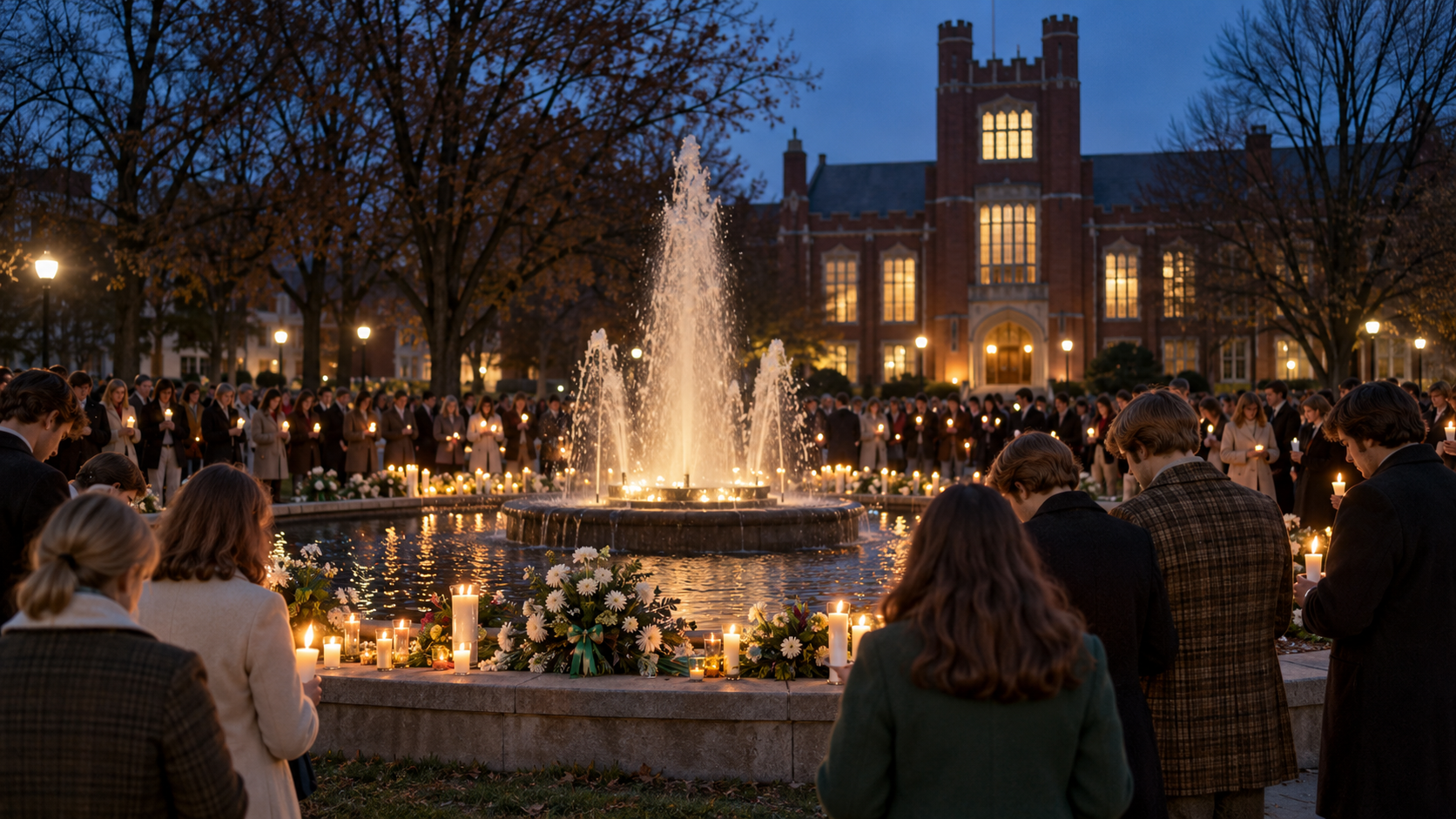
On This Day in Sports: November 14, 1970
On November 14, 1970, a chartered plane carrying members of the Marshall University football program and community crashed on approach to Tri-State Airport near Huntington, West Virginia. All 75 people aboard were killed, including players, coaches, staff, supporters and the flight crew returning from a game at East Carolina. The crash occurred near Tri-State Airport. All 75 people aboard were killed. Those details establish the result and its setting, but the day’s importance came from the larger historical pressure surrounding the competition and the people who carried it through.
The Thundering Herd had played in Greenville that afternoon and was flying home in poor weather. The passenger list connected the team, university and city so closely that the loss reached across nearly every part of the community. The flight was returning from East Carolina. Players, coaches, supporters and crew were among the victims. Together, those points show how preparation, rules, institutions and public expectations shaped the circumstances before the decisive action began. They also separate the documented background from later legend and retrospective interpretation.
The aircraft struck trees and crashed short of the runway. Rescue crews found no survivors, and the scale of the loss forced Marshall to confront whether and how the football program could continue. Marshall rebuilt the football program afterward. The university holds an annual memorial fountain ceremony. The immediate result therefore involved more than a single score or statistic: it changed a record, championship, career or institution and gave contemporary audiences a clear reason to understand that the moment was unusual.
The university rebuilt the team and established enduring memorial traditions, including an annual fountain ceremony. Remembering the date centers the people lost rather than treating the tragedy as a dramatic sports story, while also explaining why Marshall football carries unusual communal meaning. Seen from today, the event remains useful because it connects a measurable sports outcome with the systems around it—teammates, opponents, officials, venues, media and rules. The outcome was not inevitable, and its meaning did not end when play stopped. Preserving the exact date and qualifications helps explain why later generations still return to it. It also prevents a famous image or headline from replacing the fuller story of what actually happened. The best sports history holds achievement and limitation together, showing both the performance itself and the conditions that made it possible. That broader view preserves context without taking attention away from the people who performed under pressure. In that sense, November 14, 1970 still offers a focused view of how athletic excellence, public memory and institutional change can meet in a single day.
The crash occurred near Tri-State Airport.
All 75 people aboard were killed.
The flight was returning from East Carolina.
Players, coaches, supporters and crew were among the victims.
Marshall rebuilt the football program afterward.
The university holds an annual memorial fountain ceremony.
Explore more "On This Day in Sports"
Discover more landmark games, records, championships, and turning points from sports history. Each day revisits the athletes, teams, and moments that shaped competition and culture.