

On This Day in Health: April 21, 2017
On April 21, 2017, the U.S. Food and Drug Administration approved Renflexis, or infliximab-abda, as a biosimilar to Remicade. Samsung Bioepis developed the medicine, with Merck responsible for its U.S. commercialization under their agreement. The approval covered specified uses in inflammatory diseases, including Crohn’s disease, ulcerative colitis, rheumatoid arthritis, ankylosing spondylitis, psoriatic arthritis and plaque psoriasis. It added another approved source of an established type of biological treatment. The historical event was the regulatory decision in April; the separate U.S. launch announced in July should not be treated as the same milestone or used to shift the anniversary date.
Infliximab blocks tumor necrosis factor, commonly abbreviated TNF, a protein involved in inflammation. Its effects can be useful in several diseases in which inflammatory activity contributes to tissue damage and symptoms. As a biological medicine, infliximab is produced using living systems and has a more complex structure than many small-molecule drugs. A biosimilar therefore follows a comparison-based development and review process. The central question is whether the proposed product is highly similar to the reference medicine and whether differences have a clinically meaningful effect on safety or effectiveness. That question requires evidence rather than a simple assertion that the two products share a treatment target.
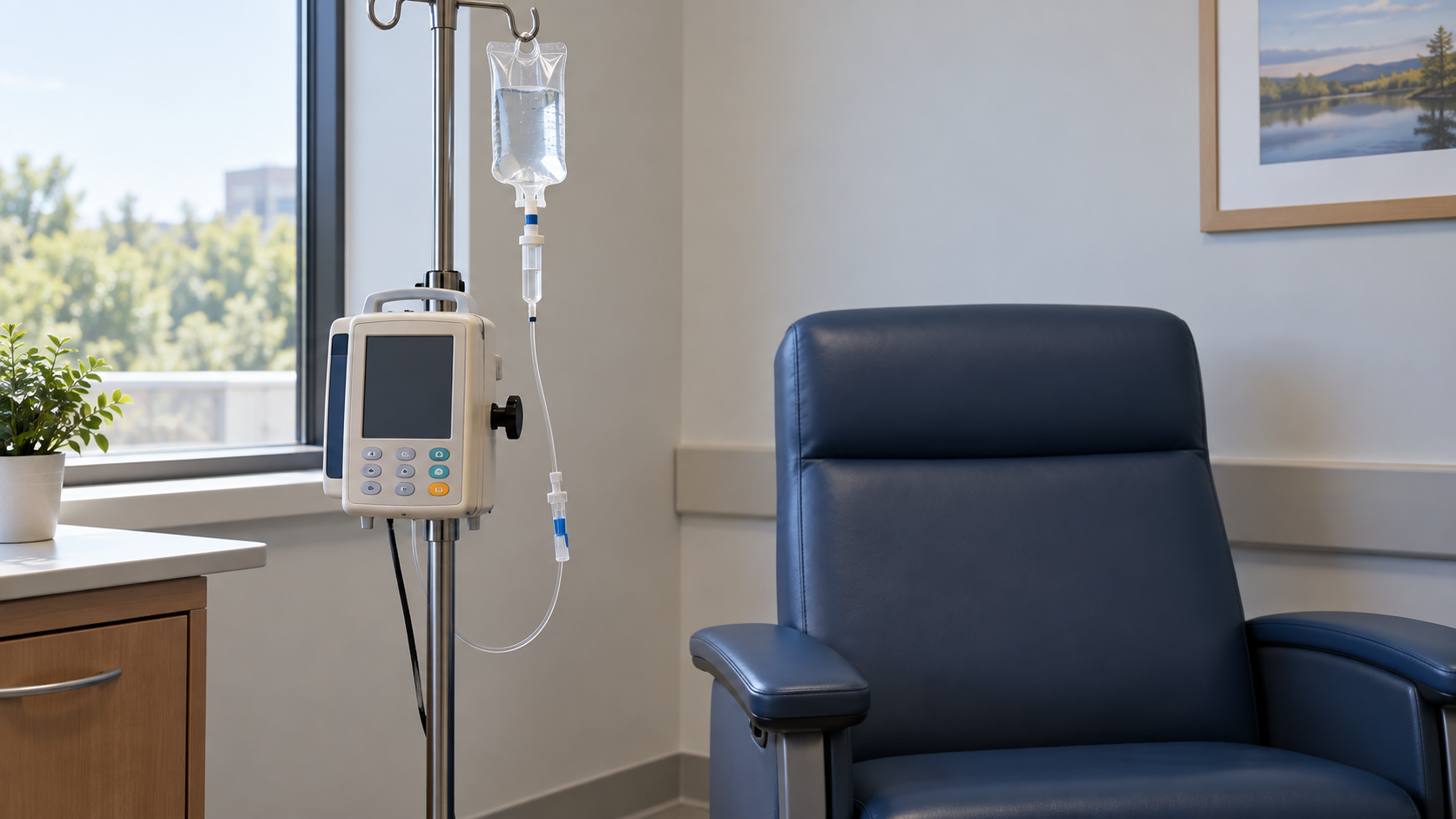
The Renflexis review drew on analytical, nonclinical and clinical information, including pharmacokinetic, safety and effectiveness comparisons. The FDA’s approval records identified it as a licensed biosimilar and listed its permitted indications. Those indications remained subject to their own conditions, such as disease severity, previous treatment and age requirements where applicable. A biosimilar license should also be distinguished from an interchangeable designation, which has a separate regulatory meaning. The April approval did not make the product appropriate for every inflammatory condition or authorize unrestricted substitution in every circumstance. The medicine was administered intravenously, linking access to clinical services as well as to the availability of the product itself.
April 21 captures a form of medical progress centered on expanding approved options around an existing treatment. Potential competition and access were part of the rationale for biosimilar development, but a regulatory decision alone did not establish what every patient would pay or how every health service would adopt the product. Important risks associated with infliximab, including serious infections, remained relevant. The anniversary’s lasting significance is the demonstration that a complex biological medicine could be evaluated through a rigorous comparative pathway and enter the market as another licensed option. It also illustrates why the story of a treatment includes manufacturing, regulation and delivery alongside its biological mechanism and the clinical conditions for which it is used.
Renflexis received FDA approval on April 21, 2017.
Infliximab-abda was licensed as a biosimilar to Remicade.
Infliximab blocks tumor necrosis factor involved in inflammation.
Analytical and clinical comparisons supported the review.
Biosimilar approval and interchangeability have separate meanings.
The April approval preceded the separate U.S. launch in July.
Explore more of "On This Day ..."
Discover more events from the same date across news, politics, technology, sports, and other fields. Each link highlights significant moments that shaped history on different fronts.