

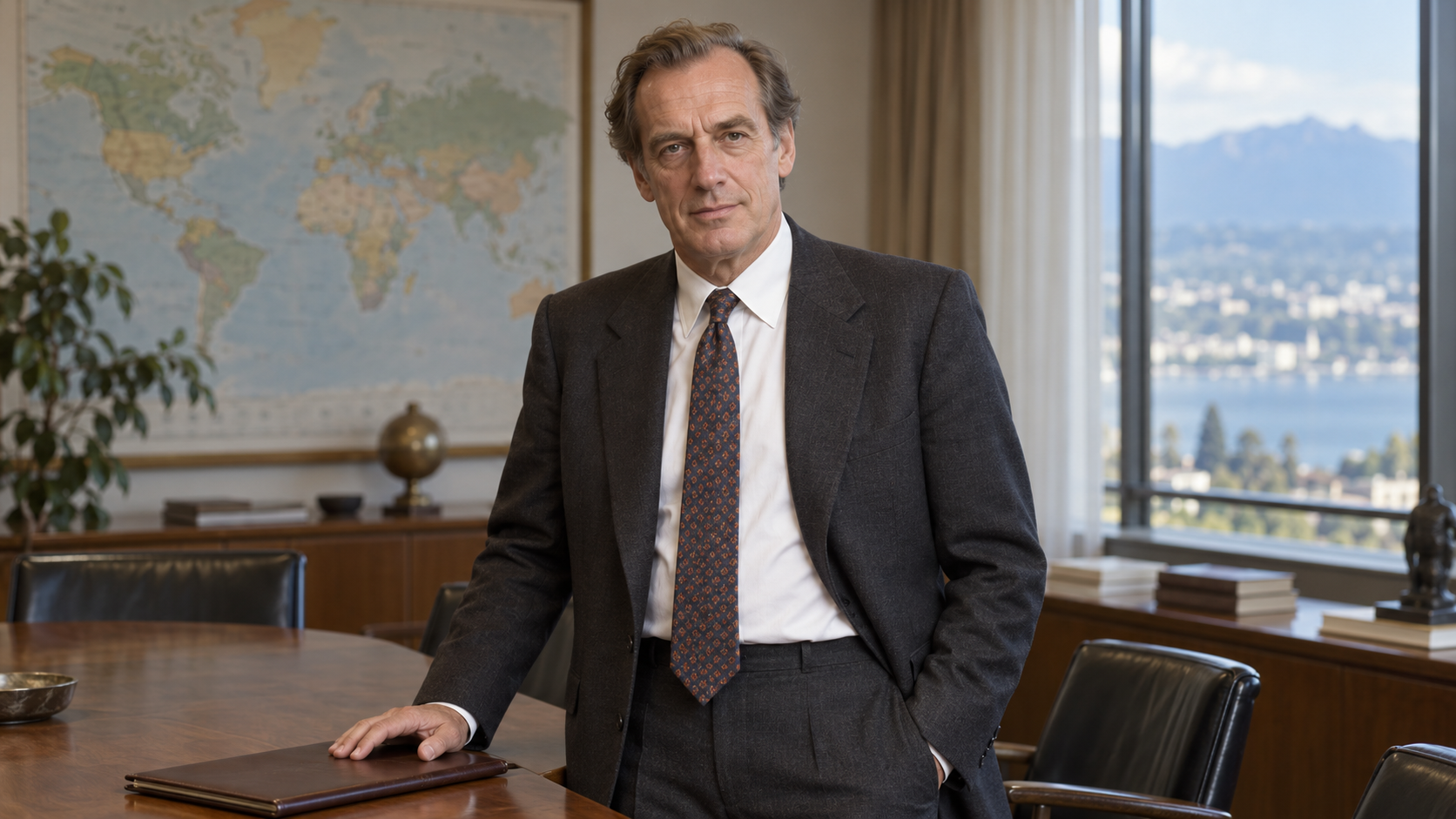
“I have always maintained that people’s own creativity and ingenuity are the keys to their and the world’s progress.”
Halfdan Mahler’s sentence places the people affected by a health programme at the centre of its possibilities. In October 2007, the former World Health Organization Director-General addressed a meeting in Chiang Mai, Thailand, about leadership and health equity. His speech, Health for All or Hell for All?, described progress as something people help create through their own capabilities. The same sentence appears in his chapter of that title in Concepts and Practice of Humanitarian Medicine, published in 2008. It belongs to an argument about participation, opportunity, and the responsibilities of leadership. Mahler had helped shape the international commitment to primary health care at Alma-Ata in 1978. Decades later, his language still asks a searching question: are communities being treated as partners with knowledge, or as places where someone else’s finished plan will be delivered?
Imagine a neighbourhood discussing how a new clinic will fit into local life. A planning team can bring an excellent building design, qualified staff, and a carefully prepared timetable. A resident may nevertheless know that the proposed entrance is difficult to reach from the bus stop. Another may explain that the opening hours overlap with shifts at the largest nearby employer. Someone caring for an older relative may notice a problem with seating that a drawing did not reveal. These are hypothetical examples, but they show what the word ingenuity can include. It need not arrive as a spectacular invention. It may consist of spotting a practical obstacle, describing it clearly, and proposing a workable adjustment. A useful meeting gives those observations a route into decisions. Asking for comments after every important choice has already been fixed offers participation in appearance while withholding much of its substance.
There is also a responsibility on the other side of Mahler’s confidence. Praising local resourcefulness should not become an excuse to leave people without support. A clever suggestion about transport cannot by itself provide a vehicle, pay a driver, or keep a service running. Those tasks require commitments that belong in budgets and management decisions. The quotation is most productive when creativity and responsibility meet: residents can influence priorities, professionals can explain constraints, and decision makers can say which changes they will fund and when. Disagreement may remain, and some proposals may need revision. Even then, a visible response respects the effort people have contributed. Mahler’s sentence invites us to look for ability wherever it exists, including beyond the meeting’s official speakers. Progress becomes more credible when people can recognise their own understanding in what eventually takes shape.
The WHO account places the sentence in his October 2007 Chiang Mai speech about leadership and health equity.
His chapter in the 2008 book Concepts and Practice of Humanitarian Medicine also preserves the exact sentence.
Local experience can identify an inconvenient timetable, an overlooked entrance, or another practical obstacle. The article uses hypothetical examples.
Such knowledge becomes influential when a planning process can revise a decision in response to it.
Mahler’s confidence in people appears alongside his argument for equity and expanded opportunity.
The article interprets participation as a partnership requiring resources and accountable decisions, rather than an expectation that residents solve everything themselves.
Explore more "Quotes of The Day"
Discover more notable quotes from influential voices across politics, science, business, technology, sports, and culture. Each quote offers insight into how ideas, beliefs, and decisions shape the world around us.