

How the Blood-Brain Barrier Controls Molecular Access Explainer
The blood-brain barrier is a set of properties in the small blood vessels of the central nervous system, not a single wall around the brain. Specialized endothelial cells line these vessels. Their job is to maintain a stable chemical environment for neurons while still delivering oxygen and nutrients and removing waste.
Tight-junction proteins connect neighboring endothelial cells and strongly limit movement between them. Brain endothelial cells also have few fenestrations and unusually low rates of nonspecific vesicle transport. A basement membrane, pericytes, astrocyte endfeet, neurons, and immune cells form a neurovascular unit that helps establish and adjust barrier behavior.
Essential molecules use controlled routes. Small lipid-soluble molecules and gases can diffuse to varying degrees, while glucose, amino acids, ions, and other nutrients rely on specific carriers or channels. Larger molecules may use receptor-mediated or adsorptive transcytosis. Efflux pumps can move many drugs and metabolic products back toward the blood.
The barrier is selective, not absolute. Immune surveillance still occurs, and signaling molecules pass information across the vessel wall. Different brain regions and vessel segments have distinct transport features. In the choroid plexus and certain specialized structures, blood-fluid interfaces use related but different barriers, so “crossing the BBB” is not one uniform event.
Inflammation, stroke, trauma, tumors, infection, and neurodegenerative processes can alter junctions or transport. Increased permeability may admit helpful immune components but can also expose tissue to proteins, fluid, or toxins. A laboratory tracer crossing during disease does not prove that every molecule will enter, nor does one culture model reproduce the full living barrier.
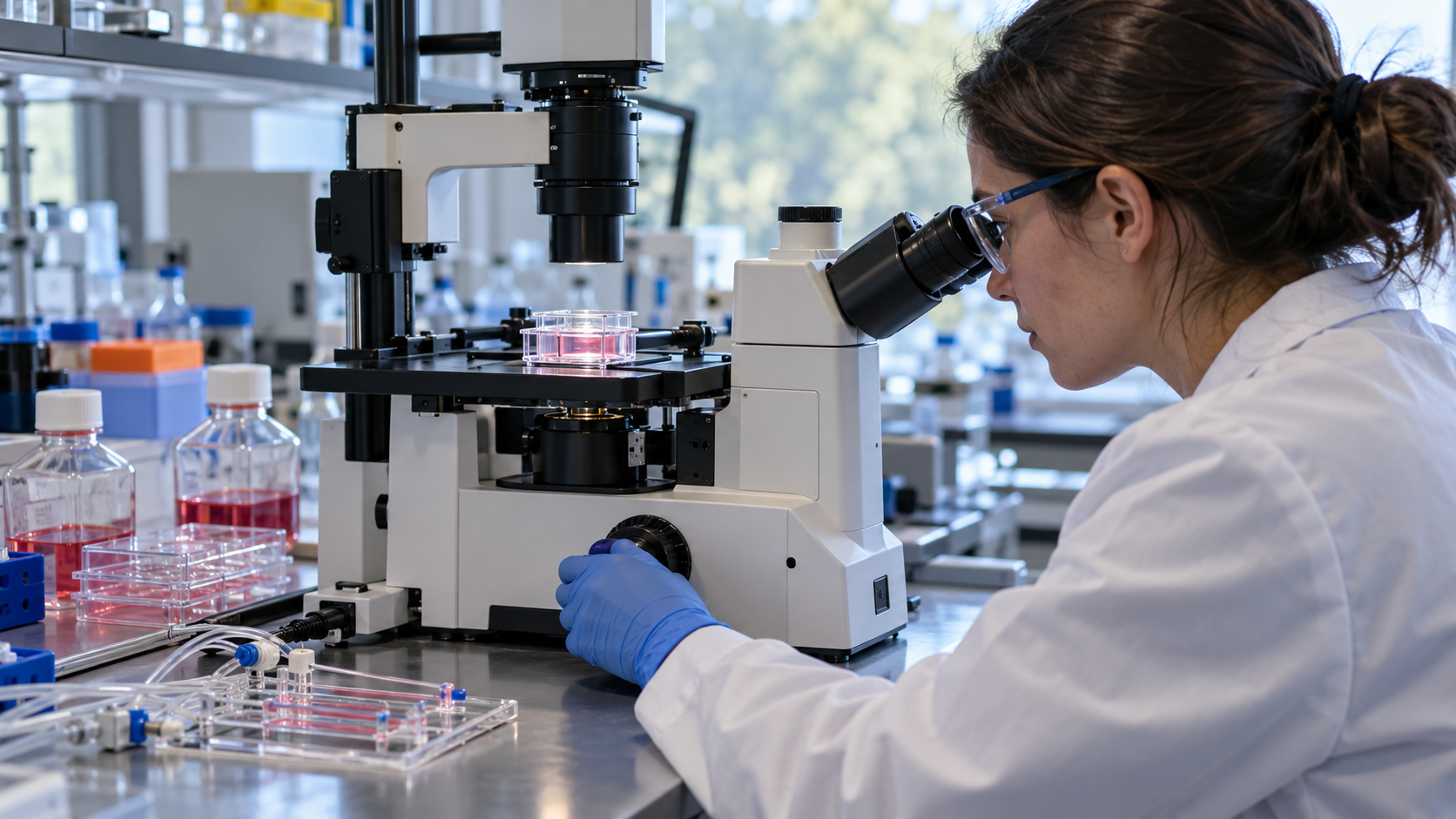
Drug developers test chemical properties, transporter interactions, organoids, microfluidic models, animals, imaging, and clinical exposure. Strategies include optimizing small molecules, using carrier systems, or targeting natural transport receptors. The same mechanisms that frustrate treatment protect the brain every day, so delivery must increase access without broadly dismantling vascular control.
Brain endothelial cells form the central physical and transport interface.
Tight junctions restrict movement between neighboring vessel-lining cells.
Low vesicle traffic and absent fenestrations reduce nonspecific passage.
Carriers, receptors, channels, and efflux pumps create selective molecular routes.
Pericytes, astrocytes, neurons, and matrix support the neurovascular unit.
Disease and treatment can change permeability, but the barrier remains heterogeneous.
Explore more "Explainers"
Discover additional explainers across politics, science, business, technology, and other fields. Each explainer breaks down a complex idea into clear, everyday language—helping you better understand how major concepts, systems, and debates shape the world around us.