

On This Day in Politics: June 23, 1972
On June 23, 1972, President Richard Nixon and White House chief of staff H. R. Haldeman discussed the FBI's Watergate investigation in the Oval Office in Washington, D.C. Their conversation, secretly recorded by the presidential taping system, included a plan to have the CIA ask the FBI to stop pursuing the investigation by invoking national security. The recording later became known as the Watergate smoking gun. That name describes its eventual evidentiary importance, rather than something the public knew that June morning. The discussion took place six days after the burglary at Democratic National Committee offices in the Watergate complex.
The immediate concern was the investigation's progress in tracing money associated with the burglars. Haldeman reported on the developing problem, and Nixon supported an approach involving senior CIA officials and the FBI. The proposed national-security explanation would be used to discourage further investigation. It should not be confused with a finding that the burglary was a legitimate intelligence operation. The significance of the conversation lies in what the president and his aide were proposing to do with federal agencies after a politically damaging crime. The tape supplied a direct record of their discussion, rather than a later witness's reconstruction alone.
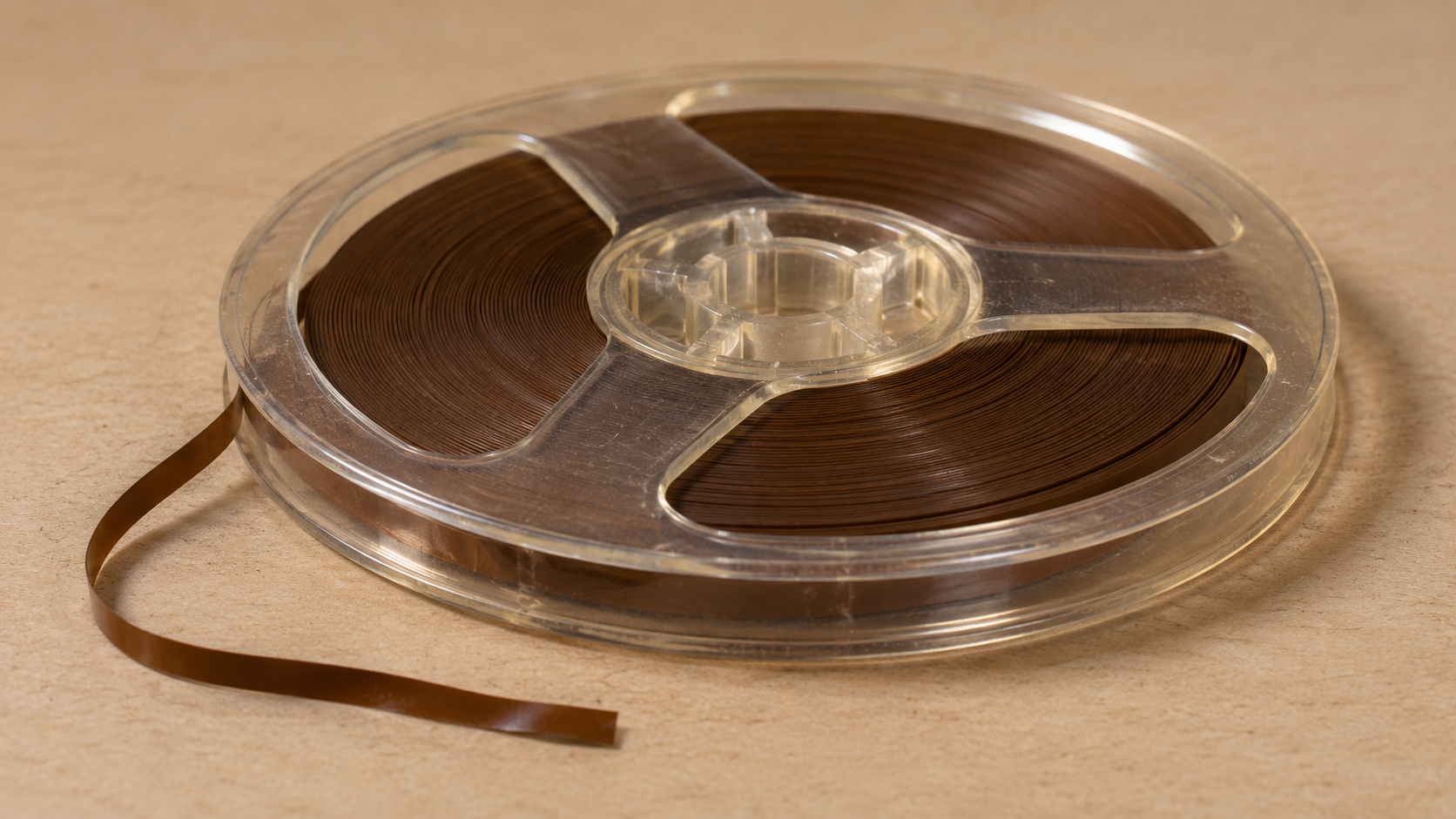
The White House recording system had been installed in 1971 and captured conversations in the Oval Office and other locations. Its existence transformed the later investigation because it preserved exchanges that participants had expected to remain private. The June 23 segment was eventually among the conversations sought through legal proceedings and used in the Watergate cases. Arguments over access to the recordings raised questions about presidential confidentiality and the needs of criminal justice. Those disputes occurred after the original conversation; neither the courts nor the public had the smoking-gun recording before them on the day Nixon and Haldeman spoke.
The transcript's release in August 1974 contradicted Nixon's claims that he had not interfered with the FBI investigation. It caused a further collapse in his congressional support as impeachment threatened, and he resigned on August 9. Those consequences came more than two years after the recorded meeting. June 23 marks the creation of the evidence, while August 1974 marks its decisive public impact. The distinction is central to understanding the event. A private discussion about limiting an investigation became an unusually clear record of presidential involvement in the cover-up, showing how decisions inside the executive branch could later be tested against evidence preserved by the presidency's own recording machinery.
The Watergate burglary occurred six days before the conversation. The June 23 meeting concerned the investigation and efforts to contain its consequences.
Tracing money associated with the burglars threatened to connect the crime with a wider political network. That investigative progress formed the immediate setting for the discussion.
Nixon and Haldeman proposed using the CIA to press the FBI to stop. Their national-security argument was a proposed obstruction tactic, not validation of the burglary.
The conversation remained private at the time. Its later nickname reflects the evidence it supplied when investigators and the public gained access.
The transcript became public in August 1974. Its release undermined Nixon's defense and accelerated the loss of political support before his resignation.
The recording demonstrates the importance of distinguishing an event from its later discovery. June 23 produced the evidence; the decisive public reckoning followed more than two years later.
Explore more of "On This Day ..."
Discover more events from the same date across news, politics, technology, sports, and other fields. Each link highlights significant moments that shaped history on different fronts.