

On This Day in Politics: June 28, 1919
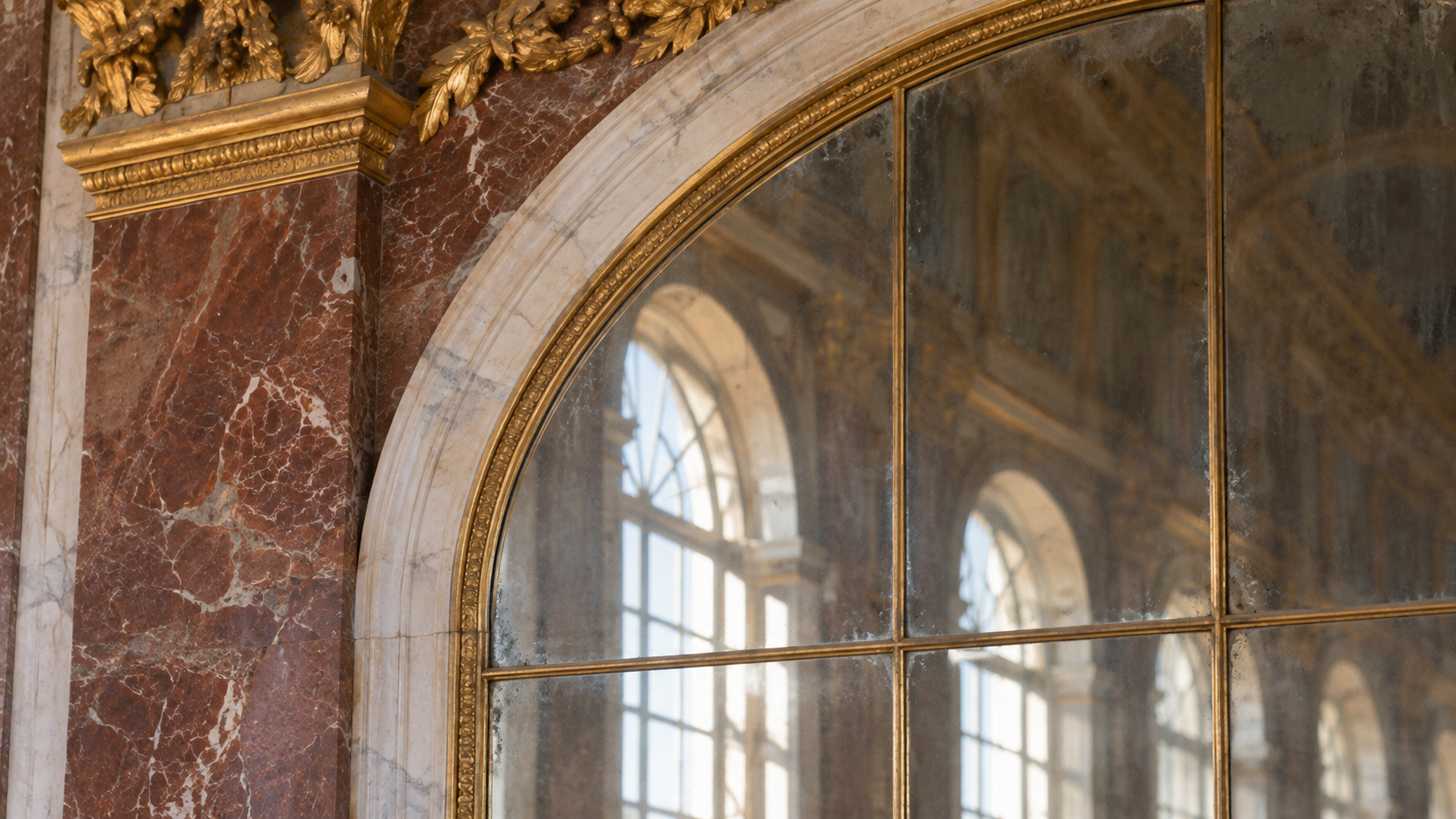
On June 28, 1919, representatives of Germany and the Allied and Associated Powers signed the Treaty of Versailles in the Hall of Mirrors at the Palace of Versailles, outside Paris. German delegates Hermann Müller and Johannes Bell signed under terms negotiated by the victorious powers after the First World War. French premier Georges Clemenceau presided over the ceremony, attended by leaders including United States president Woodrow Wilson and British prime minister David Lloyd George. The event gave formal expression to the peace settlement with Germany. It followed the November 1918 armistice, which had stopped the fighting, and was a different stage in ending the conflict.
The Paris Peace Conference had opened in January 1919. Its leading participants disagreed over security, territory, economic obligations and the design of a new international order. France sought protection against another German attack, while Wilson promoted the League of Nations as a means of managing disputes and preventing war. Britain and Italy brought their own strategic priorities. Germany did not participate in drafting the settlement on equal terms and objected strongly to the conditions presented to it. The final text therefore reflected compromises among the victors as well as the imbalance between those imposing the terms and the defeated state.
The treaty imposed territorial losses, military restrictions and obligations for reparations on Germany. It also incorporated the Covenant of the League of Nations. These measures linked punishment and security arrangements with an attempt to create continuing international cooperation. The signing ceremony's location carried its own political meaning: the German Empire had been proclaimed in the same hall in 1871 after France's defeat. By returning to that setting, the peace conference placed a new settlement inside a space already associated with a dramatic reversal of European power. The historical symbolism was unmistakable, even though symbolism could not resolve the treaty's practical difficulties.
Signature did not guarantee unanimous acceptance or lasting peace. National ratification procedures still mattered, and the United States Senate ultimately withheld consent to the treaty. The United States consequently did not join the League of Nations. Disputes over enforcement, reparations and national claims continued after the ceremony and helped shape interwar politics. Those tensions contributed to an unstable international order, but the later outbreak of another world war cannot be explained by a single document alone. June 28 remains a major diplomatic anniversary because it joined the legal terms of peace, the ambitions of the victors and the unresolved problems of a devastated continent in one consequential agreement.
The armistice of November 1918 halted fighting on the Western Front. Negotiating a peace treaty required further decisions about borders, military power, payments and international institutions.
The victorious powers had competing aims. Their disagreements shaped the settlement before Germany was required to decide whether to accept its terms.
The June 28 signatures formalized the negotiated text. Treaty obligations and the proposed League of Nations extended the settlement beyond a simple declaration that fighting had ended.
Signature and national ratification were separate steps. The American Senate's refusal of consent demonstrated that an executive signature did not guarantee every participating country's final acceptance.
The treaty became a major focus of interwar political disputes. Its enforcement and revision remained questions long after the delegates left the Hall of Mirrors.
The same room had witnessed the proclamation of the German Empire in 1871. The 1919 ceremony used that earlier association while attempting to establish a different European settlement.
Explore more of "On This Day ..."
Discover more events from the same date across news, politics, technology, sports, and other fields. Each link highlights significant moments that shaped history on different fronts.