

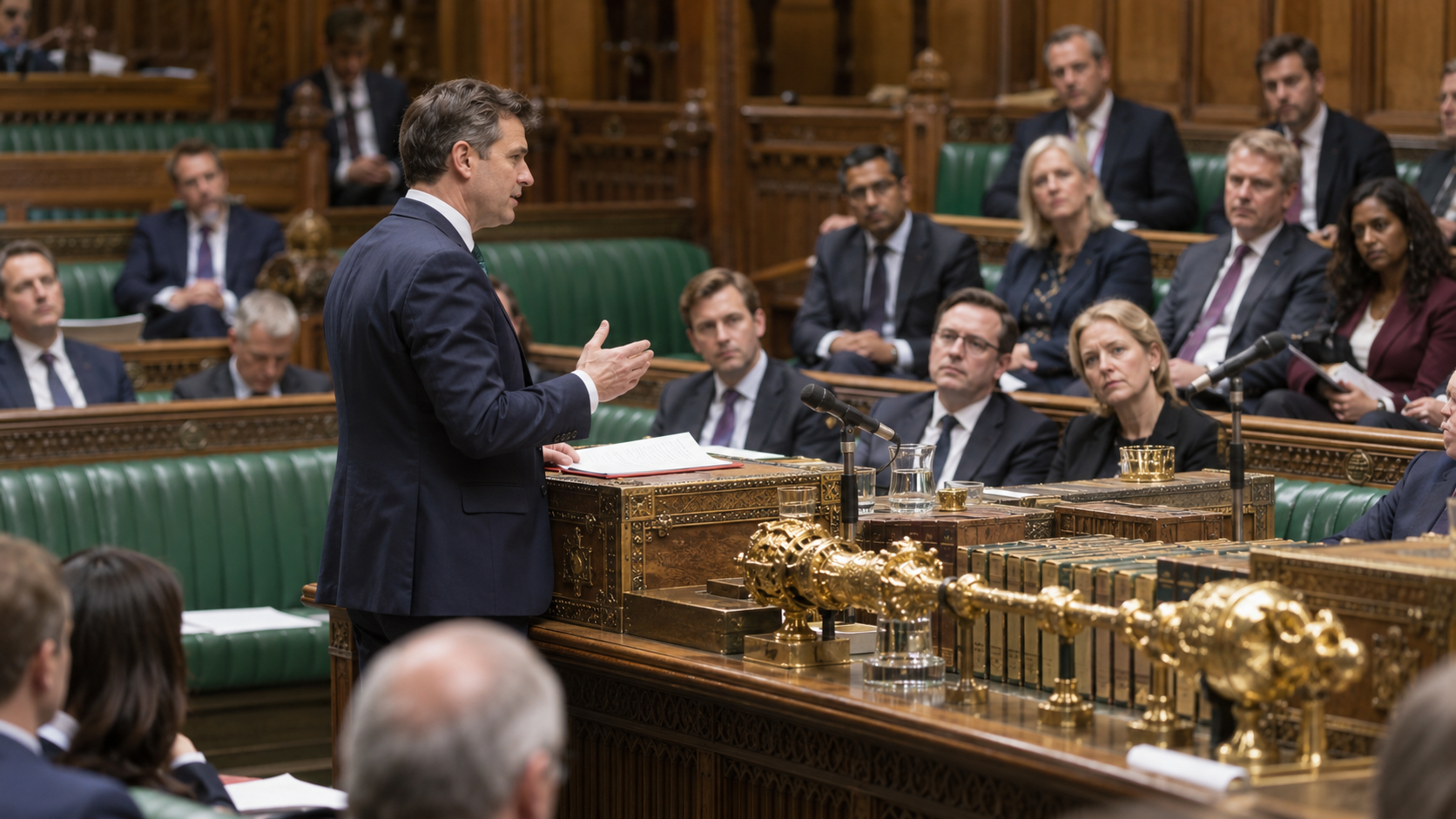
Second Reading Explainer
Second reading is the stage at which a legislature considers a bill's general principles. In the United Kingdom Parliament, it follows the bill's formal introduction at first reading. Members have an opportunity to debate the proposal's purpose and broad approach before it moves into more detailed examination. The name does not mean that someone must literally read every word aloud for a second time. It identifies a procedural stage in the process through which proposed legislation is considered and, potentially, made into law.
A second reading debate can address the problem the bill is intended to solve, whether legislation is needed, and whether its overall design is acceptable. Members may also raise concerns about provisions they expect to examine later. The central decision is whether the bill should progress, rather than whether every clause has received final approval. In some circumstances a second reading can occur without a substantial debate, so the label alone does not reveal how much discussion happened in the chamber.
Consider a hypothetical bill that reorganizes a public service. At second reading, members might debate whether reorganization is justified and whether the proposed framework would improve accountability. A member could support the broad aim while seeking changes to particular powers, safeguards, or funding arrangements at later stages. After second reading, committee consideration provides a setting for more detailed scrutiny and amendments. The distinction allows a chamber to agree that a proposal deserves further examination without treating its initial wording as beyond revision.
Passing second reading is therefore an important step, but it is not the same as becoming law. Further stages, consideration by the other House, and Royal Assent may still be required. Defeat at this stage can stop the bill's progress, while success leaves significant work ahead. When coverage says lawmakers approved a bill at second reading, check what was debated and what remains to be done. That helps distinguish support for a proposal's general direction from final agreement on the complete legal text and the conditions under which it will operate.
Second reading generally addresses a bill's purpose and overall principles.
First reading is the formal introduction stage and normally precedes this broader consideration.
The name identifies a legislative stage, not a requirement to read the complete text aloud twice.
Members can support further consideration while seeking amendments later.
Detailed examination commonly follows through committee and subsequent stages.
A successful second reading does not mean that the bill has completed passage or become law.
Explore more "Explainers"
Discover additional explainers across politics, science, business, technology, and other fields. Each explainer breaks down a complex idea into clear, everyday language—helping you better understand how major concepts, systems, and debates shape the world around us.