

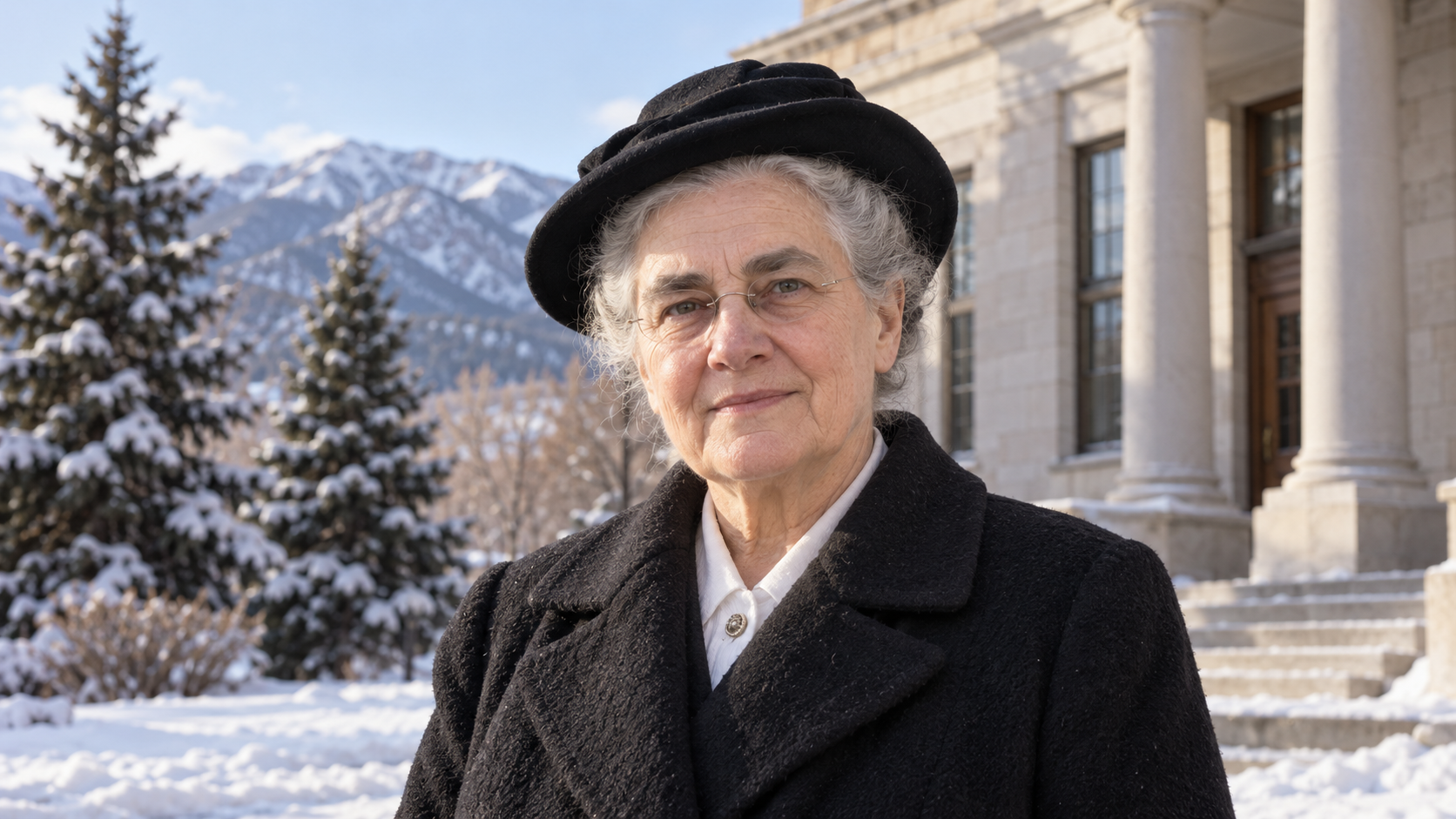
“Pick me up at nine and don’t forget your boots.”
A remembered reply from Florence Rena Sabin makes public health sound less like an abstraction and more like a journey that someone has to undertake. The Architect of the Capitol recounts the exchange during her later work in Colorado: after a heavy snowfall, an official worried about her traveling to a speaking engagement. Sabin responded with an instruction about the pickup time and appropriate footwear. The account gives no exact date for the conversation, so the quotation is presented as a recorded anecdote rather than a dated transcript. By then, Sabin had already completed a distinguished career in medical research. In her seventies she took on a different task, helping build support for improvements to Colorado’s public-health services. The Denver Public Library describes her statewide investigations and advocacy. The winter reply fits that documented second career, even while the details of the exchange remain limited to the later account.
The boots are the revealing part. They acknowledge a real obstacle while making preparation the response to it. Sabin did not, in this telling, deny that the weather mattered. She turned the concern into a practical requirement for reaching the people she intended to address. Such a reading preserves the anecdote’s practical purpose without suggesting that people must ignore personal limits or travel in unsafe conditions. Its broader meaning concerns work that depends on showing up with the right support. A public-health proposal may be persuasive on paper and still require explanation, local knowledge and conversations with people whose lives it will affect. The research supplies reasons for change; public engagement helps make those reasons intelligible and contestable. The remembered exchange gives that unglamorous part of reform a vivid, human detail: someone must arrange the ride, prepare for the conditions and carry the argument into the community.
Sabin’s Colorado work addressed ordinary surroundings with major consequences for health, including milk quality, waste disposal and the capacity of health departments. These concerns make the anecdote more than a celebration of personal grit. Determination became useful because it supported organized efforts to improve conditions that affected many people. An imagined town meeting illustrates the difference between a slogan and a public explanation: residents may want to know what a proposed service will change, who will administer it and why the change is justified. Answering those questions requires both evidence and patience. This is a modern illustration of the work involved, not a reported meeting from Sabin’s life. Her short reply can encourage initiative, but it should also prompt appreciation for the people and institutions that make initiative effective. Public health advances through research, communication and workable arrangements. Sometimes a remembered sentence captures that connection through something as specific as a pair of boots.
The Architect of the Capitol attributes this reply to Sabin in an account of her Colorado public-health work. It describes a snowy trip to a speaking engagement.
That account does not establish the precise day or provide a contemporaneous transcript. The title therefore omits a year, and the article identifies the line as an anecdote.
She helped investigate public-health conditions in Colorado and campaigned for stronger services and updated legislation. Her earlier career had centered on medical research.
The public-library history places community engagement alongside investigation. Explaining proposed improvements was part of the effort to secure support for them.
The reply can be read as practical preparation for a purposeful task. It does not require ignoring unsafe conditions, disability or the need for assistance.
Its health significance comes from the larger campaign: individual resolve was directed toward changes in services and surroundings that could benefit whole communities.
Explore more "Quotes of The Day"
Discover more notable quotes from influential voices across politics, science, business, technology, sports, and culture. Each quote offers insight into how ideas, beliefs, and decisions shape the world around us.