

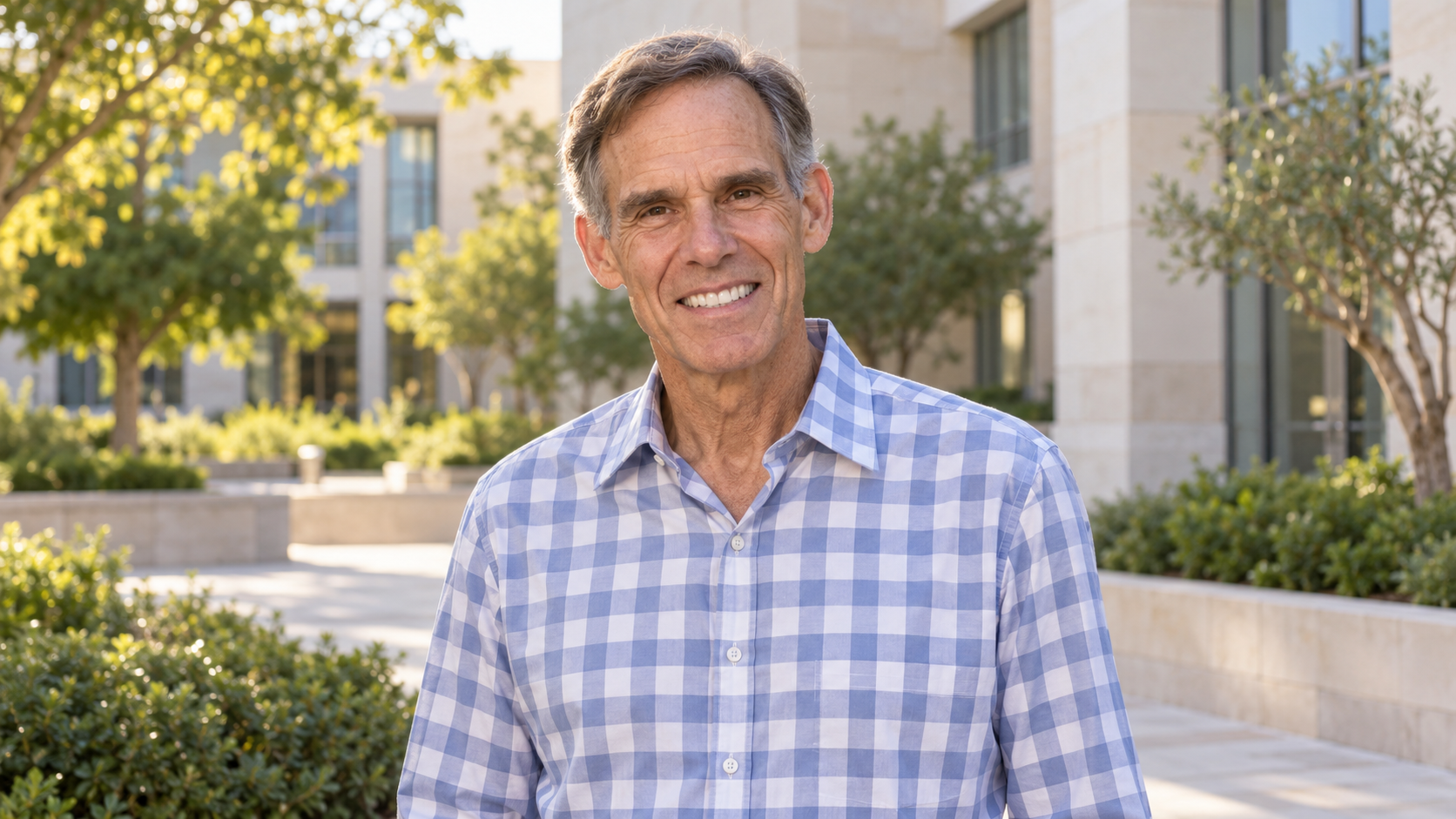
“we need to restore the human bond of medicine.”
Eric Topol made this appeal in an interview published by the American College of Cardiology on January 20, 2021. This short excerpt comes from a sentence about machines and the future of medicine. Topol, a cardiologist and researcher associated with Scripps Research, was considering how artificial intelligence might help clinicians manage the volume of information available about a person’s health. His desired result extended beyond faster analysis. He hoped that technology could return time to the relationship between a patient and a clinician. Within this discussion, the quotation supplies a criterion for judging innovation: does a new capability help people connect in the course of care? It identifies an aim rather than announcing that the aim has already been achieved. The date belongs to the published interview; May 8 gives the quotation its place in this calendar series.
The human bond can sound abstract until it is considered in the setting of an ordinary appointment. Attention has practical consequences there. Someone may need to explain a concern, hear the reasoning behind a decision or ask a question that felt difficult to raise. A tool that speeds one task does not automatically create room for those exchanges. The time saved might instead be absorbed by another requirement, or the tool itself might demand attention that formerly went to the person. This is an implication of Topol’s goal, rather than a finding reported in the interview. It invites a broader assessment than simply asking how much information a system can process. The useful question is what happens to the encounter once that processing is complete. Does it make the conversation easier to follow, and does the clinician remain available to hear what the patient understands or needs clarified?
Topol returned to this hope in a September 2024 lecture at the National Institutes of Health Clinical Center, described in the center’s December report. Alongside discussion of applications of AI, he expressed optimism that reducing computer-related demands could restore time with patients. That later account shows continuity in his purpose, while leaving the practical results to be evaluated in specific settings. Technology can support a relationship only through the way people choose, assess and organize its use. Keeping the relationship in view also means retaining responsibility for decisions and explaining how information affects them. For readers, the quotation is a reminder that progress in health care has a human destination. A sophisticated tool may offer something valuable, but its significance includes whether it helps a worried person feel heard, understand the next step and speak with someone accountable for their care.
The words appear within a longer answer in Topol’s January 2021 American College of Cardiology interview. He was discussing possible future contributions of artificial intelligence.
The excerpt retains the original lowercase opening. It emphasizes his stated goal for the patient relationship rather than repeating the surrounding predictions about technology.
Topol’s argument links the handling of complex information with the possibility of more time for patients. His hope is that machines could support the work surrounding a clinical conversation.
An efficiency gain alone cannot establish that a relationship has improved. The article’s interpretation asks what happens to the attention and time a tool may make available.
The NIH Clinical Center’s account of his September 2024 lecture records renewed optimism about technology reducing computer demands and creating time for patients.
That report documents his continuing aspiration. It leaves open the assessment of individual AI applications, including their effect on time, communication and professional judgment.
Explore more "Quotes of The Day"
Discover more notable quotes from influential voices across politics, science, business, technology, sports, and culture. Each quote offers insight into how ideas, beliefs, and decisions shape the world around us.