

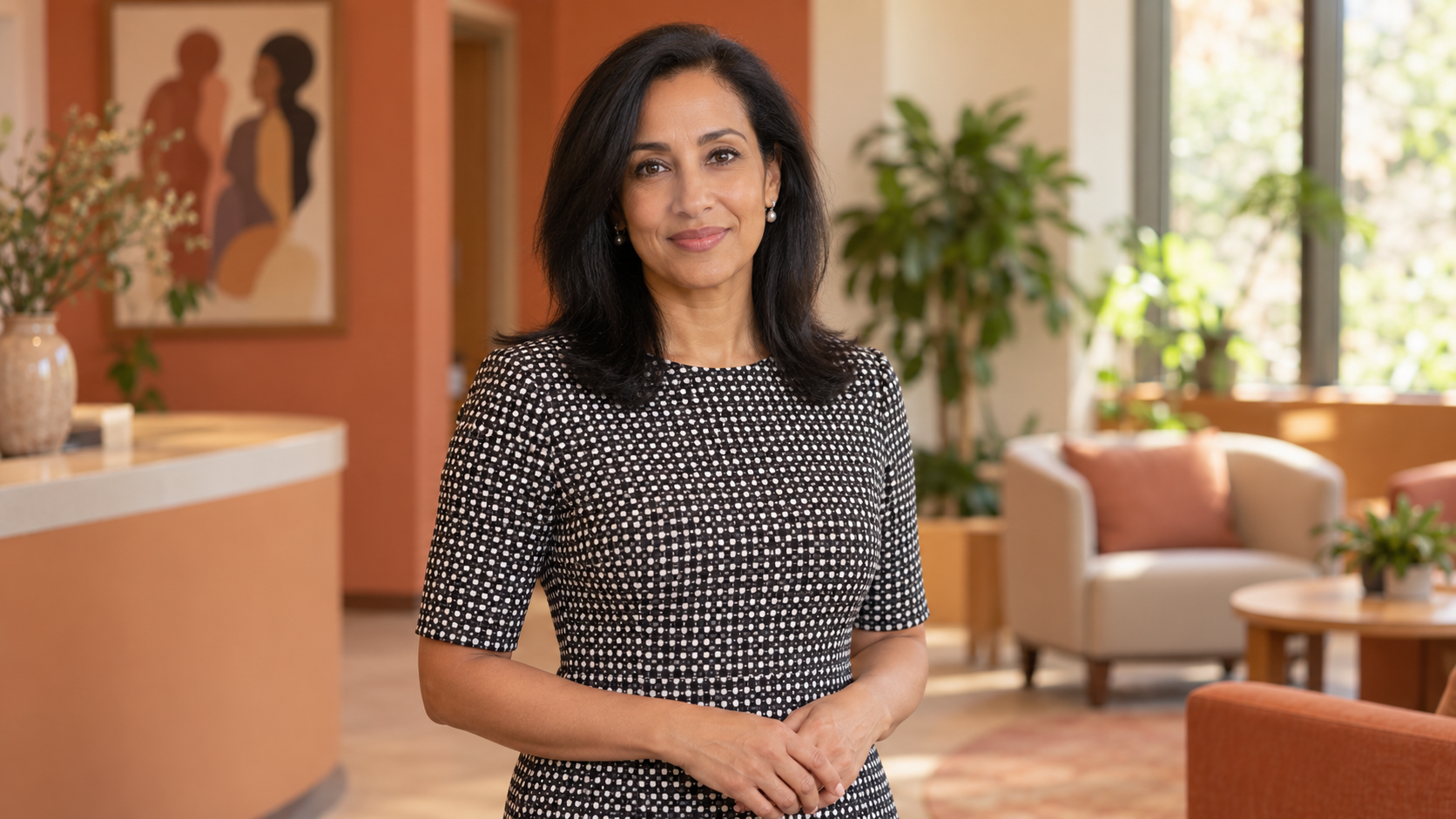
“Those moments make our efforts completely worthwhile.”
Nawal M. Nour closes her response in Harvard Medical School’s Dimensions portrait series with these words. Asked about a sculpture of a mother and child she brought to a photo shoot, the physician describes the affection and well-being she sees among her patients. She then turns to the difficult work of improving women’s health and the encouragement she draws from colleagues, mentors and collaboration. The moments in the quotation are specifically moments of social and medical progress for women and children. This context matters: her statement is not a claim that effort guarantees success, but a reflection on what gives demanding work meaning. The interview does not supply a verified date for her words, so no year has been added to the title. May 9 is their place in this collection, rather than a historical anniversary.
Nour established the African Women’s Health Center at Brigham and Women’s Hospital, focusing on care for women affected by female genital cutting. Her Harvard fellowship profile also describes community education and the preparation of educational material for health professionals. In the accompanying account of that project, she explains that she sought input from the community and emphasized cultural understanding alongside clinical knowledge. The distinction has a practical purpose. A clinician’s objection to a harmful practice should not become rejection of a person who has experienced it. Respectful care requires attention to the individual’s needs, language and circumstances. Nour’s work illustrates how specialized medical expertise and relationships with a community can inform one another. Her short quotation gains weight from that setting: progress is meaningful because it concerns people’s lives, not merely the completion of an institutional project or the recognition of a professional achievement.
For someone reading the quotation beyond its original setting, the useful question is what counts as a worthwhile moment. A meeting, a training session or an outreach effort may appear modest when set against a large health problem. Yet such work can create conditions for an informed conversation or help a professional understand a concern previously missed. These are examples of how the idea can be interpreted, not documented outcomes attributed to every part of Nour’s program. Taking satisfaction in progress also need not conceal what remains difficult or unfinished. The quotation leaves room for both persistence and evaluation: people can value a step forward while asking whether their approach serves those it intends to help. Its emphasis on moments makes the purpose of health work concrete. Behind a broad ambition to improve care are individual encounters and collective efforts whose significance comes from the well-being they seek to support.
In her Harvard Dimensions response, Nour identifies them as social and medical progress in the health of women and children. The sentence concludes a discussion of patients, collaboration and professional roles.
The quotation should therefore be read as a reflection on that work. The source gives no verified interview year, and the post does not invent one.
Her fellowship project account describes asking the community for input when developing material to educate health professionals about female genital cutting.
That approach connects clinical preparation with cultural understanding. The goal is better care for individual women, including people whose experience may be unfamiliar to a clinician.
Nour’s interview acknowledges substantial work still ahead while describing encouragement from collaboration and witnessed change. Satisfaction and an unfinished task can coexist.
The article interprets her words as an invitation to notice useful progress and continue assessing the work. It makes no claim that goodwill alone produces a particular health outcome.
Explore more "Quotes of The Day"
Discover more notable quotes from influential voices across politics, science, business, technology, sports, and culture. Each quote offers insight into how ideas, beliefs, and decisions shape the world around us.