

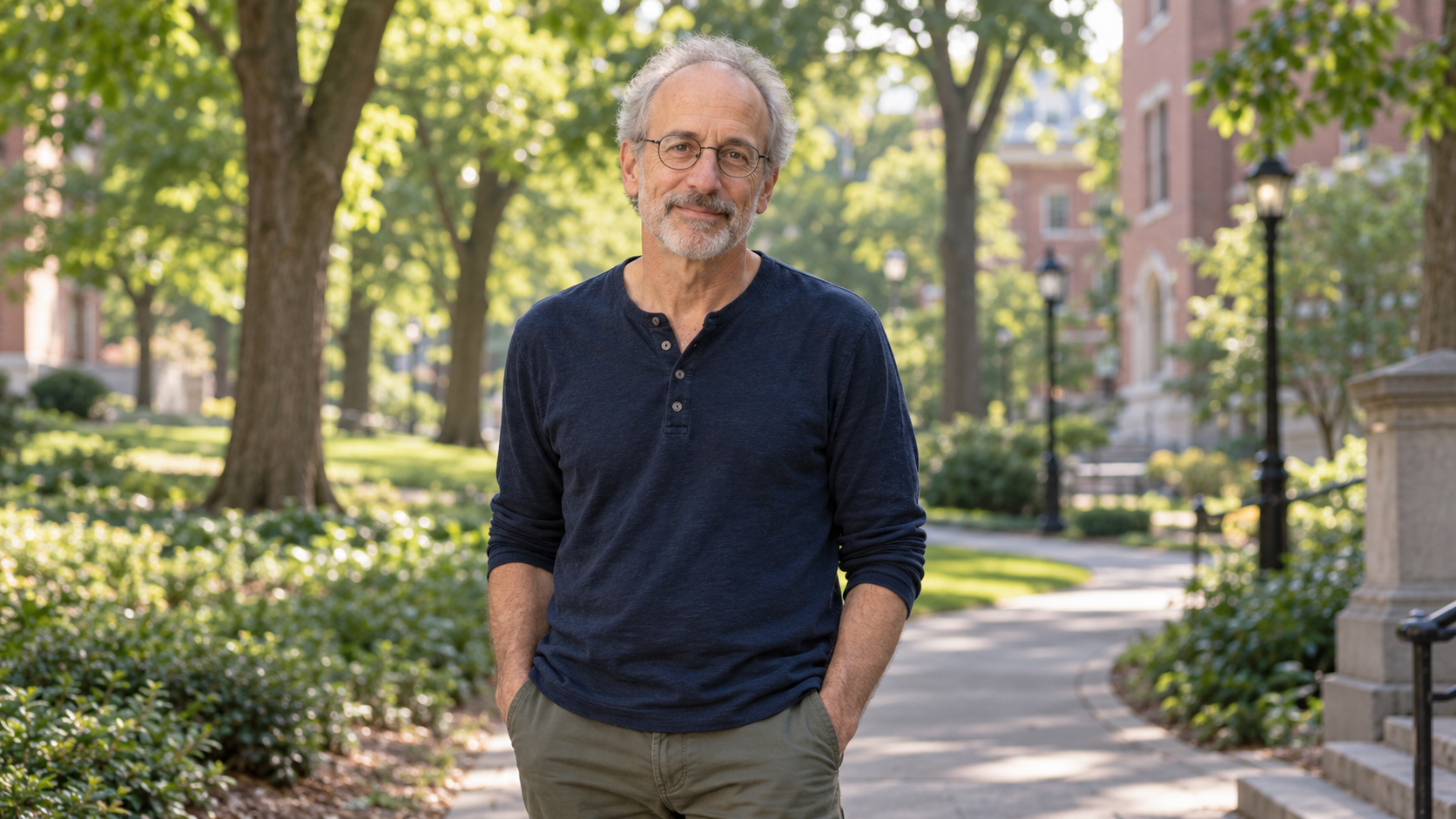
“Humans evolved to move.”
A walk to collect food and a scheduled workout may involve similar movements, yet the reasons for doing them differ. Daniel E. Lieberman drew that distinction when discussing his book Exercised with the Harvard Gazette on January 4, 2021. The Harvard evolutionary biologist was explaining why exercise can feel strangely optional even when people understand its possible benefits. His brief sentence connects human bodies with a history of physical activity that often served immediate needs. Moving helped ancestors obtain resources and accomplish necessary tasks; setting aside time solely to improve fitness is a different proposition. The interview places that observation within an account of motivation, culture, and modern surroundings. The May calendar entry marks this idea for reflection rather than claiming the words were spoken on May 14.
An evolutionary perspective also complicates the familiar accusation that anyone who avoids a workout is simply lazy. In an earlier Harvard Magazine interview, published in August 2016, Lieberman discussed the tendency to conserve energy when demanding activity was unnecessary. Movement and rest can both make sense within that history. This does not establish that every modern habit is beneficial, or that an ancestral pattern should become a rule for present-day living. It does help explain why information alone may fail to change behavior. Someone may value physical activity while finding a repetitive routine unpleasant, facing an inaccessible space, or lacking time beyond paid work and caregiving. Those circumstances deserve attention before turning a discussion of health into a judgment about character. The biological story opens questions about environments and opportunities as well as personal decisions.
Lieberman’s interviews give enjoyment and social connection a place in that conversation. Activities can carry purposes beyond recording minutes or reaching a performance target: companionship, play, a shared destination, or time outdoors. That broader frame allows movement to be understood as part of ordinary life without pretending that everyone has the same body, resources, preferences, or capacity. Disability, illness, pain, and fatigue can shape what is possible; an evolutionary explanation cannot determine an appropriate activity for a particular person. Its contribution is more modest and more interesting. It asks how modern routines became separated from the circumstances that once made movement useful, and what might make participation inviting today. A health message gains depth when it considers access and pleasure alongside effort. The short quotation points toward that inquiry, leaving room for varied lives instead of offering one compulsory ideal of fitness.
The 2021 interview separated physical activity undertaken to meet an immediate need from deliberately planned activity intended to improve health or fitness. That distinction describes purposes, rather than assigning value to a particular sport.
His sentence refers to the evolutionary background of human movement. It should not be expanded into a claim that modern exercise routines exactly reproduce ancestral life or that any ancestral behavior is automatically preferable.
In the 2016 Harvard Magazine conversation, Lieberman considered why resting when possible could make sense in circumstances where obtaining food demanded effort. His account places reluctance to exert oneself within a broader biological history.
That context can encourage more careful language about motivation. It does not excuse unsafe conditions, erase the benefits of suitable activity, or establish a medical recommendation for an individual.
The interviews invite attention to the social and practical settings in which people move. Play, company, and useful destinations can give activity meaning beyond an abstract fitness obligation.
Any application must account for accessibility and differing capacities. The quotation supplies a question about how everyday life supports movement, while decisions about particular health needs require information specific to the person.
Explore more "Quotes of The Day"
Discover more notable quotes from influential voices across politics, science, business, technology, sports, and culture. Each quote offers insight into how ideas, beliefs, and decisions shape the world around us.