

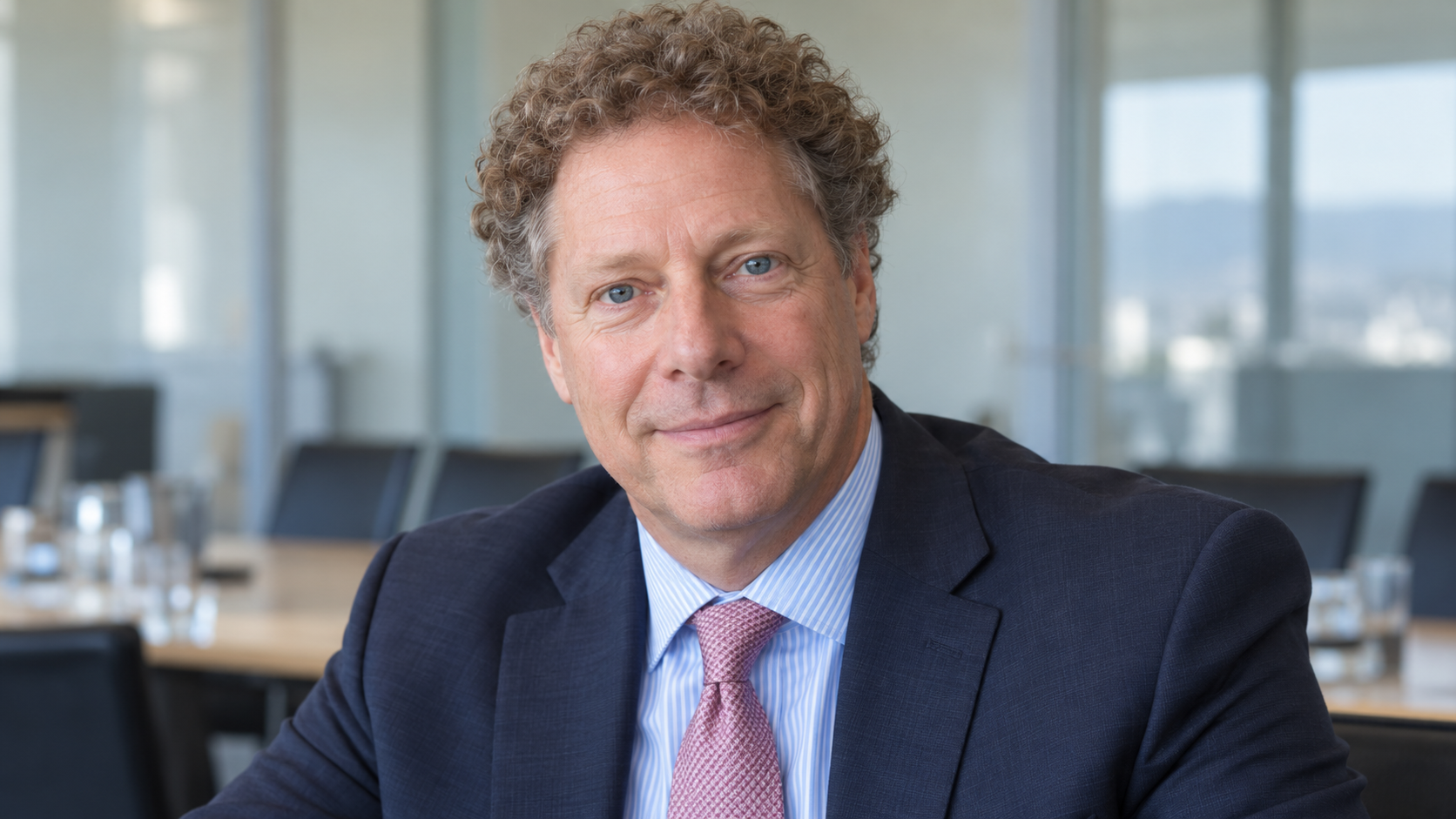
“Vaccine development is expensive and complicated.”
Seth Berkley made this observation in his March 2015 TED talk about why vaccines can arrive too late. The physician, then leading Gavi, was considering the relationship between scientific development, financial risk and public need. His argument recognized that the communities facing a disease may have limited ability to pay for a product intended to prevent it. That creates a difficult gap between the value of protection and the commercial incentive to pursue it. TED’s account of a new epidemic-preparedness initiative in January 2017 repeated this sentence from the earlier talk. The quote belongs to that discussion of preparation and investment. It does not describe a reason to abandon vaccine research. It makes the case for taking its demands seriously before an emergency creates sudden expectations of a rapid answer. A development process requires more than a moment of public attention.
The two adjectives point toward different challenges. Expense concerns the resources that must be available over time. Complexity concerns the work of asking questions, testing possibilities and deciding whether the evidence supports a next step. Money cannot erase uncertainty, but uncertainty does not make financing irrelevant. A project can need both scientific patience and a dependable arrangement for sustaining its work. This distinction is useful whenever a public conversation treats research as if it were simply a purchase waiting to be ordered. An urgent need can sharpen priorities without creating a completed product on demand. The quote encourages a more realistic discussion of what preparation means: preserve the capacity to investigate, make responsibilities clear and consider how a promising result could eventually reach the people for whom it matters. Those are continuing tasks, even when headlines move elsewhere.
Berkley’s observation also raises a question about which needs receive attention. If the size of a potential market becomes the only measure of value, some important public-health concerns can remain poorly served. Recognizing that possibility invites institutions to examine how they choose priorities and share responsibility for difficult work. It does not require readers to accept any particular funding arrangement without scrutiny. A public purpose still needs clear decisions, accountability and evidence that resources are being used well. For people outside research, the sentence can help replace an expectation of instant solutions with a better understanding of preparation. We can ask what work was sustained before a crisis and which barriers made progress harder. The practical force of the quote lies in this longer view. Taking expense and complexity seriously means building the conditions for careful work to continue, while keeping the needs of affected communities central to the reason for doing it.
A sudden emergency can reveal a need without supplying the time or capacity to meet it. Berkley’s talk asks what preparation should already be under way.
Sustained work depends on decisions made outside the moment of greatest attention. Responsibility and resources need a longer horizon.
Research cannot promise that every promising approach will succeed. That uncertainty is one part of the development process.
Financing concerns whether the work can proceed and endure. Treating these as distinct questions helps make a difficult problem more understandable.
The ability to pay does not fully describe the importance of preventing illness. Berkley’s argument draws attention to that gap.
Institutions can consider how their priorities respond to underserved needs. Public purpose and careful accountability should inform the same conversation.
Explore more "Quotes of The Day"
Discover more notable quotes from influential voices across politics, science, business, technology, sports, and culture. Each quote offers insight into how ideas, beliefs, and decisions shape the world around us.