

On This Day in Health: July 3, 2012
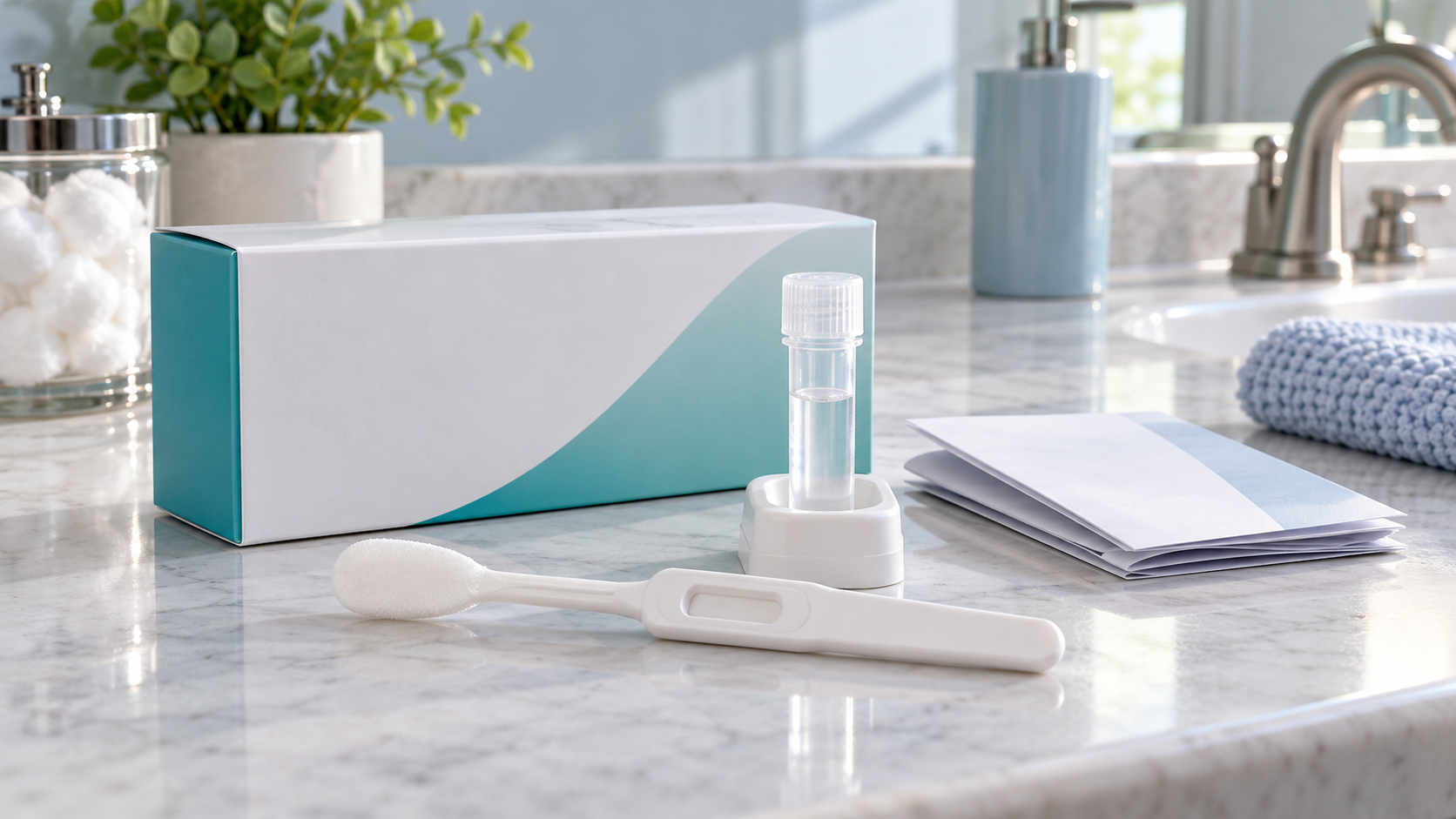
On July 3, 2012, the U.S. Food and Drug Administration approved the OraQuick In-Home HIV Test, the first over-the-counter test that people could buy and complete privately at home for HIV. The single-use kit collected oral fluid with a swab of the upper and lower gums and checked for antibodies to HIV-1 and HIV-2. Users placed the test device into a vial of developer solution and read the result after 20 to 40 minutes. The approval moved one form of testing outside clinics and laboratories, creating a new option for people who valued anonymity, convenience, or access without an appointment.
The test built on rapid oral-fluid technology already used by health professionals, but home use required more than placing the same device on a store shelf. The kit included detailed directions, explanations of results, a disposal bag, and contact information for consumer support. Its design had to guide people through collecting the sample, timing the test, reading the indicator, and deciding what to do next without a clinician present. FDA's premarket approval record shows a decision date of July 3, 2012. At the time, the authorization was for people age 17 and older; later supplements changed aspects of the product, so current labeling should not be projected backward onto the original milestone.
A home result was a screening result rather than a final diagnosis. A reactive test required confirmation in a medical setting because false-positive results were possible. A nonreactive result also had limits. The device detected antibodies, which may take time to develop after infection, so testing too soon after an exposure could produce a false negative during the window period. FDA information described the window for this test as about three months and advised repeat testing or consultation with a health professional after a recent high-risk exposure. Correct collection and strict timing mattered, and the original studies showed lower sensitivity than a laboratory testing pathway.
The approval was important because many people living with HIV did not know their status, and knowledge can connect a person to treatment and help reduce transmission. Privacy could lower one barrier created by stigma or concern about seeking a test in person. Yet privacy could also mean receiving an emotionally difficult result alone, which is why instructions and support referrals were part of the product's safety framework. The kit did not replace laboratory tests, prevention services, or medical care. July 3 marked a change in who could initiate testing and where it could happen. Its lasting value depended on honest communication about the window period, confirmatory testing, and the care available after a result.
The device tested oral fluid for antibodies to HIV-1 and HIV-2. It did not directly detect the virus itself or provide a laboratory-confirmed diagnosis.
Over-the-counter access allowed a person to buy and use the kit without a prescription. Instructions and telephone support helped replace some guidance normally provided in a clinic.
A reactive home result required confirmatory testing in a medical setting. This safeguard addressed the possibility of a false-positive screening result.
A negative result soon after exposure could be falsely reassuring because antibodies need time to develop. The window period remained a crucial limitation.
Self-testing expanded privacy and control over the decision to test. It could reach people who avoided clinical settings because of access barriers or stigma.
The milestone also changed public-health communication. Useful access required clear links from a private result to counseling, confirmation, prevention, and treatment.
Explore more of "On This Day ..."
Discover more events from the same date across news, politics, technology, sports, and other fields. Each link highlights significant moments that shaped history on different fronts.