

On This Day in Business: January 4, 2010
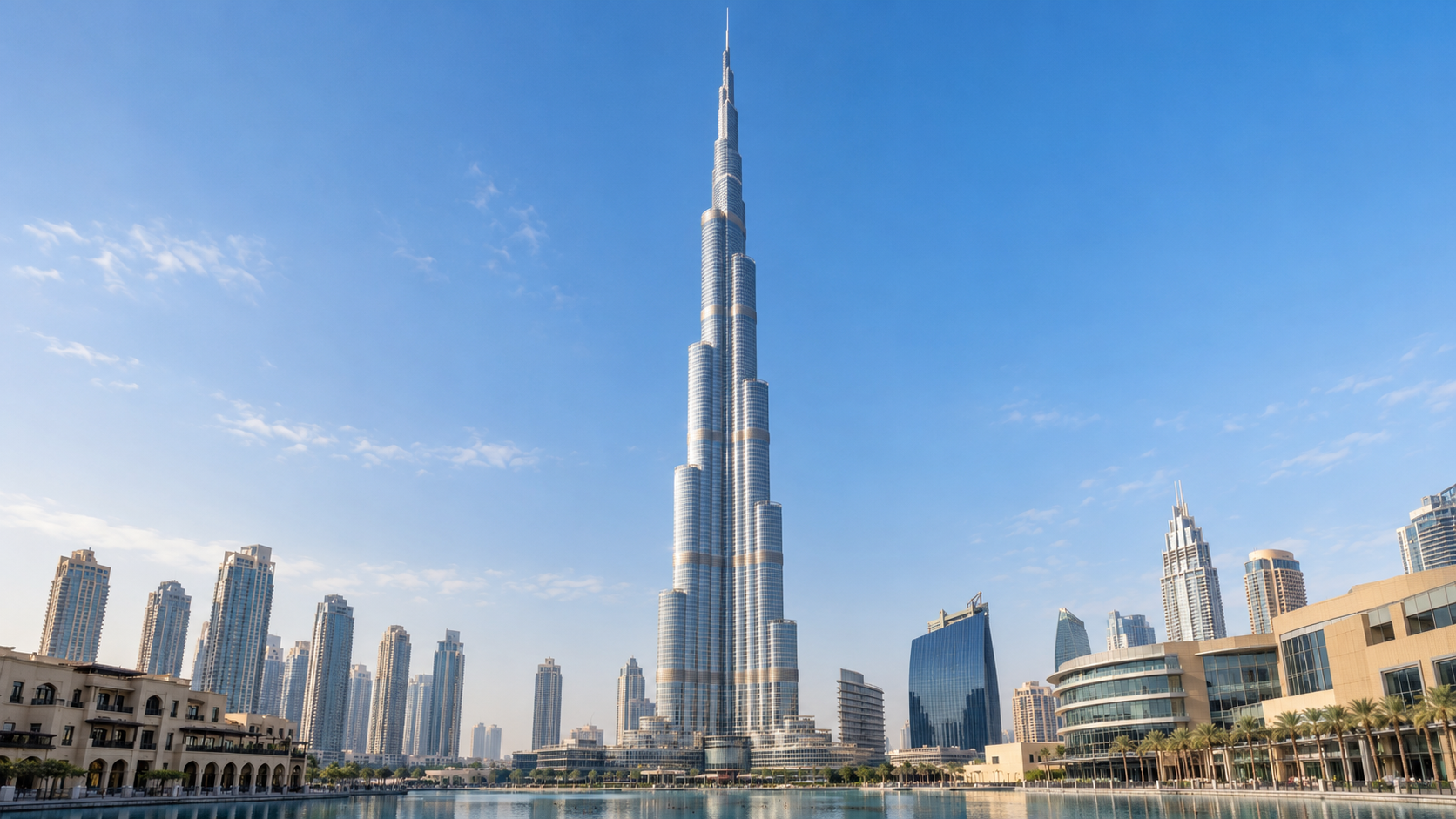
On January 4, 2010, Emaar Properties inaugurated the Burj Khalifa in Downtown Dubai, completing an 828-meter tower that the Council on Tall Buildings and Urban Habitat confirmed as the world’s tallest building. The ceremony also revealed a new name for the project, which had been developed as Burj Dubai and was renamed in honor of United Arab Emirates President Sheikh Khalifa bin Zayed Al Nahyan. The opening placed a highly visible marker on Dubai’s strategy of using real estate, tourism and international investment to diversify its economy. It was both a construction milestone and a commercial debut for a mixed-use property containing residences, offices, hospitality, restaurants and observation spaces.
Work had begun in 2004, with Emaar as owner and developer and Skidmore, Owings & Merrill responsible for the architecture and engineering. The design used a Y-shaped plan and a buttressed central core, while spiraling setbacks reduced the tower’s mass as it rose and helped manage wind loads. Emaar’s fact sheet records 330,000 cubic meters of concrete, 39,000 tonnes of reinforcing steel and roughly 22 million labor hours. The building’s 828-meter architectural height exceeded Taipei 101 by 320 meters, an increase the tall-building council described as unprecedented. Its scale made engineering performance inseparable from the project’s business case: the tower had to support multiple uses, complex vertical transportation and a globally marketed address.
The timing complicated that case. Dubai’s property market had been hit by the global financial crisis, and the emirate’s debt pressures made the celebration occur against a far more difficult economic background than when construction began. Opening day did not mean every residence, office or hotel room was immediately occupied. Handovers and openings continued in phases during 2010, including the Armani Hotel and hundreds of residential units. This distinction matters because a landmark can be structurally complete before its revenue-producing spaces are fully operating. Emaar was selling not only floors inside the tower but also the surrounding Downtown Dubai district, where the Dubai Mall, hotels, residences and public attractions reinforced one another.
Burj Khalifa’s commercial legacy therefore extends beyond its height record. The tower became a tourism draw, a premium real-estate brand and a symbol used to market Dubai internationally. Its value also depended on the larger district, transport connections and the continuing appeal of the city to residents, companies and visitors. The project demonstrated how a signature building can anchor a diversified property portfolio, but it also exposed the risks of financing and delivering enormous developments through a volatile market cycle. January 4, 2010, marked the moment the tower moved from construction project to operating asset, while the slower work of occupancy, programming and district development continued around it.
Emaar began developing the tower in 2004 as the centerpiece of Downtown Dubai, a district combining residences, offices, hospitality, shopping and public attractions.
Skidmore, Owings & Merrill used a Y-shaped floor plan, buttressed core and spiraling setbacks to create usable perimeter space while reducing wind forces on the rising structure.
The January 4 ceremony completed and opened the 828-meter building, while also announcing the Burj Khalifa name in honor of the UAE president.
Opening day did not mean every commercial space was occupied. Hotel operations and residential handovers continued in phases during the rest of 2010.
The tower reinforced the market identity of the wider Downtown Dubai development, supporting tourism, premium property sales and Emaar’s mixed-use real-estate strategy.
Its record height created worldwide recognition, while the financial crisis surrounding its debut showed the exposure of megaprojects to credit conditions and property cycles.
Explore more of "On This Day ..."
Discover more events from the same date across news, politics, technology, sports, and other fields. Each link highlights significant moments that shaped history on different fronts.