

On This Day in Lifestyles: January 16, 1919
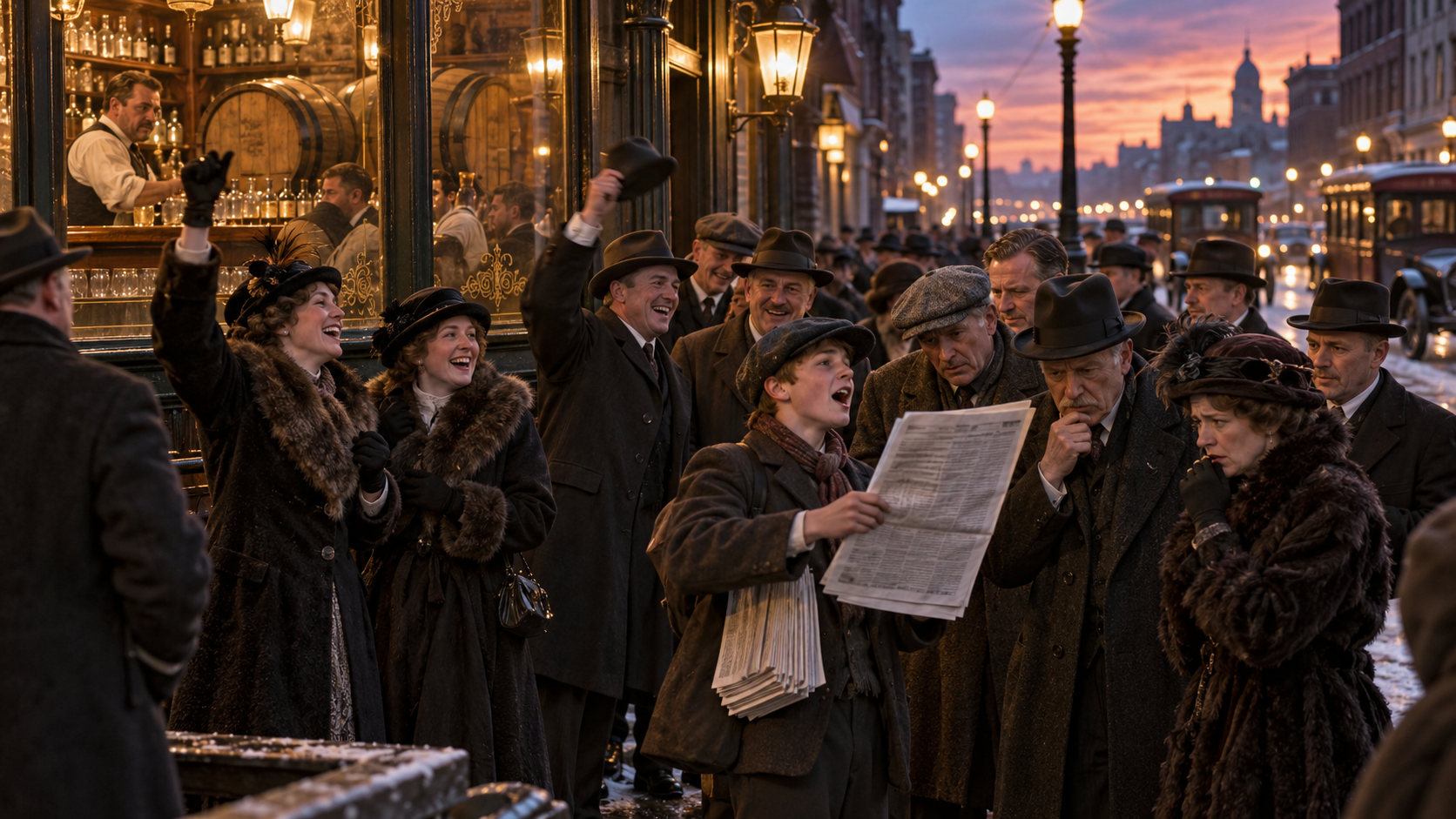
On January 16, 1919, Nebraska became the thirty-sixth state to approve the Eighteenth Amendment, providing the required three-fourths majority for ratification. The amendment prohibited the manufacture, sale, and transportation of intoxicating liquor for beverage purposes, as well as its import and export. It did not take effect for one year, and it did not explicitly ban drinking or simple possession. Even so, ratification signaled that the long temperance campaign had secured a sweeping national victory. Alcohol had been woven into meals, celebrations, workplaces, immigrant social clubs, saloons, and neighborhood politics; changing its legal supply would reach deeply into American daily life.
Support for Prohibition came from several directions. Temperance reformers linked heavy drinking to domestic violence, poverty, workplace injuries, and family instability. Religious organizations framed abstinence as moral improvement, while business leaders hoped sober workers would be more reliable. Women active in reform often saw alcohol control as protection in a society where they had limited legal and economic power. Wartime suspicion of German-American brewers and arguments about conserving grain also strengthened the cause. Yet the movement carried nativist and class prejudices, frequently portraying the drinking customs of immigrants and urban workers as threats to a Protestant social order.
The Volstead Act defined enforcement, and national Prohibition began in January 1920. Legal saloons closed, but demand did not disappear. Some people made alcohol at home, obtained medicinal or sacramental supplies, crossed borders, or visited hidden clubs. Bootlegging networks and organized crime profited from an illicit market, while police and federal agents faced corruption, limited resources, and widespread noncompliance. Drinking culture changed rather than vanished: speakeasies mixed nightlife, music, fashion, and risk, and women entered some public drinking spaces in greater numbers than they had entered the old saloon. Enforcement was especially uneven across regions and social groups.
By the early 1930s, the Great Depression, enforcement failures, changing opinion, and the appeal of taxed legal sales weakened the dry coalition. The Twenty-first Amendment repealed national Prohibition in 1933, the only constitutional amendment adopted specifically to undo another. States and localities retained broad authority over alcohol, leaving a patchwork of licensing rules, age limits, dry counties, and sales restrictions that still shapes consumer life. The 1919 ratification matters because it shows how reform can transform habits without eliminating them. It changed where people gathered, what businesses survived, how laws were policed, and the continuing American argument over personal choice, public health, and social harm.
Nebraska’s approval supplied the thirty-sixth state needed to ratify the Eighteenth Amendment. The amendment took effect one year later.
Its text targeted manufacture, sale, transportation, import, and export for beverage purposes; it did not itself forbid drinking or possession.
Supporters linked alcohol to family hardship, violence, unsafe work, and political corruption. Churches, women’s reform groups, and business interests built a powerful coalition.
The movement also reflected wartime nationalism, hostility toward immigrant cultures, and efforts to impose middle-class Protestant standards on urban life.
Legal saloons closed, but illicit production, bootlegging, medicinal alcohol, private supplies, and speakeasies created new markets and nightlife.
Repeal came in 1933, while state and local alcohol controls continued. Modern licensing systems and dry jurisdictions carry part of that regulatory legacy.
Explore more of “This Day in Lifestyles”
Discover more moments in everyday life, design, education, travel, food, fashion, and culture. Each story connects a calendar date with an event that changed how people lived.