

“Plans are resources for situated action, but do not in any strong sense determine its course.”
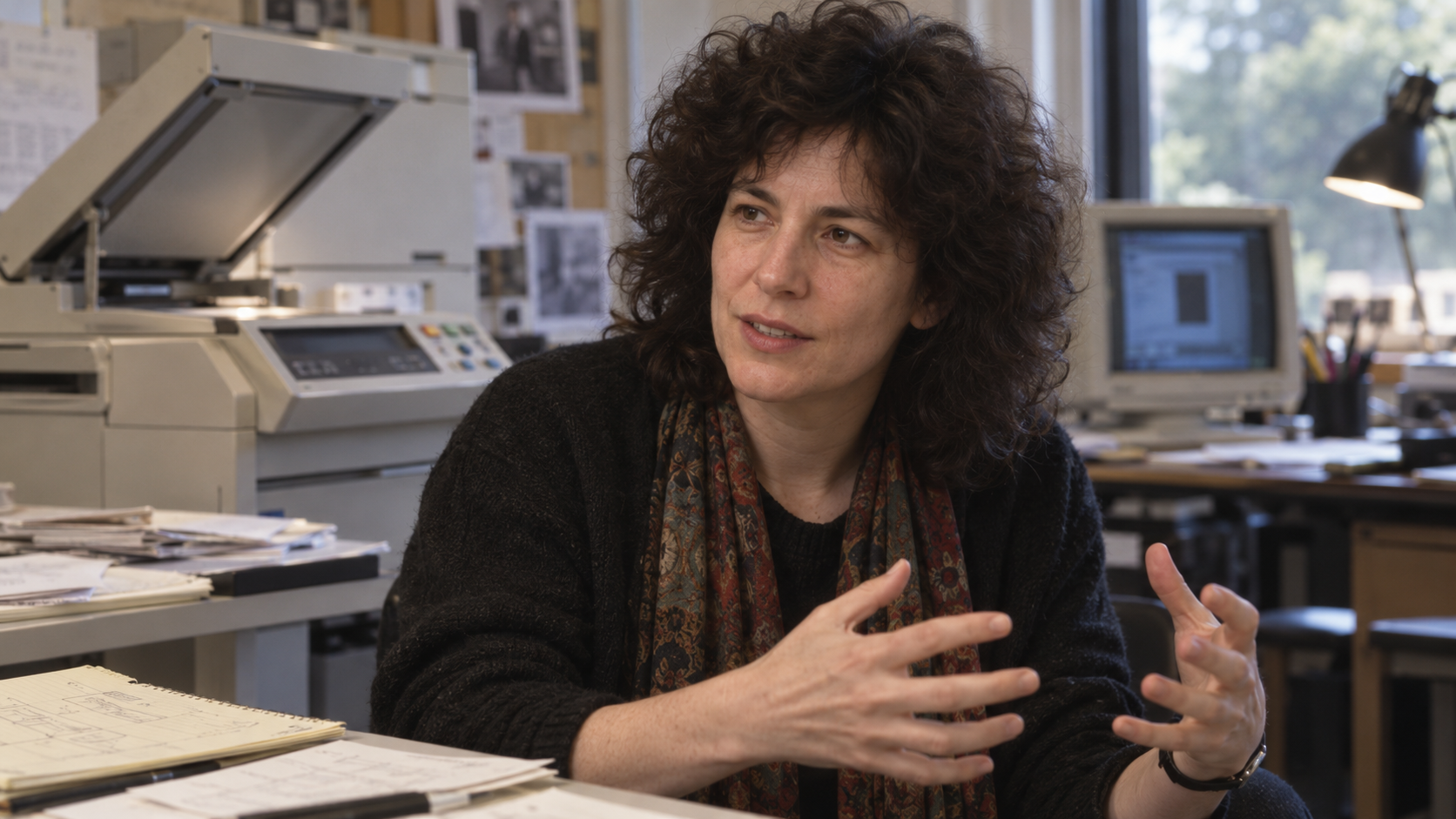
Lucy Suchman wrote this sentence in her 1987 book Plans and Situated Actions, developed from detailed study of how people interacted with an office photocopier. At the time, influential approaches in artificial intelligence treated plans as internal structures that could specify purposeful behavior. Suchman observed that real activity unfolded differently. People consulted instructions, interpreted displays, responded to one another, and adjusted to the machine’s changing state. A plan helped orient action, but it could not contain every relevant detail in advance. Order emerged through moment-by-moment interaction with a material and social situation.
The argument is not that planning is useless or that action is random. Plans can coordinate people, identify goals, allocate resources, and prepare responses. Their usefulness depends partly on abstraction: a plan omits details so that it can travel across situations. The omitted details return during execution, when participants must decide what the plan means here and now. Treating the document as a complete script can make organizations blame users for reasonable adaptation or make automated systems brittle when the world differs from expected inputs. Good planning anticipates the need for judgment rather than pretending to eliminate it.
Suchman’s insight changed human-computer interaction because it directed attention from formal task descriptions to actual practice. Designers may imagine a clean sequence of steps, while users work around interruptions, shared equipment, ambiguous categories, inaccessible controls, or goals that evolve as they learn. Observation in context can reveal these conditions before a system hardens them into requirements. Interfaces can then support recovery, visibility, handoffs, and multiple paths instead of assuming one ideal procedure. The design challenge is not to model every contingency, which is impossible, but to give people resources for responding when contingencies arise.
The quote has renewed relevance for AI agents and automated workflows. A system may generate a plausible plan, schedule, or chain of actions, yet the environment changes and its representation remains incomplete. Safe automation needs checkpoints, feedback, permission boundaries, and ways to re-situate a plan when evidence conflicts with it. Human oversight is useful only if the person can perceive the situation and intervene effectively. Suchman’s sentence preserves a productive humility: plans matter, but their intelligence comes alive in use. Technology should help people navigate the gap between representation and reality, not conceal that gap behind the confidence of a script. Logs that show what changed and why can help participants reconstruct the situation without pretending the original plan predicted it.
Suchman developed the argument through close study of people using an interactive photocopier. Their actions depended on local cues, conversation, machine state, and improvised interpretation.
Her book challenged cognitive and AI models that treated plans as structures capable of determining purposeful action in advance.
Plans orient action by summarizing goals and possible steps, but execution always encounters details and contingencies that the representation leaves out.
The claim is not anti-planning. It explains why useful plans preserve room for situated judgment, feedback, and revision instead of pretending to specify every move.
Automated workflows and AI agents can follow plans through changing environments, where incomplete state and unexpected events quickly make an original sequence unsafe or irrelevant.
Checkpoints, visible context, recovery paths, bounded permissions, and effective human intervention help a system treat plans as adaptable resources rather than unquestionable scripts.
Explore more "Quotes of The Day"
Discover more notable quotes from influential voices across politics, science, business, technology, sports, and culture. Each quote offers insight into how ideas, beliefs, and decisions shape the world around us.