

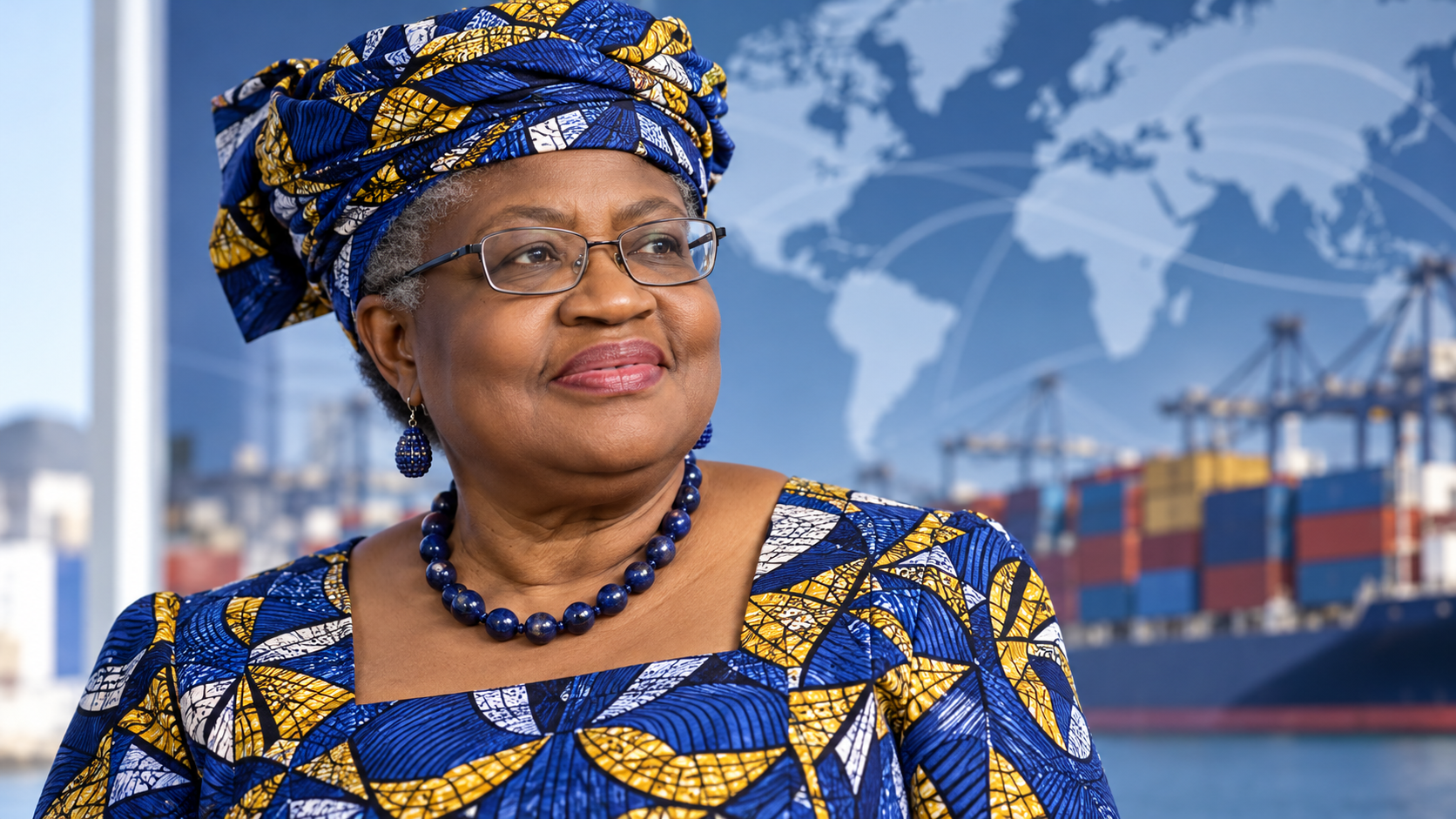
“Trade is an instrument for development, it’s not an end in itself.”
World Trade Organization Director-General Ngozi Okonjo-Iweala made this statement in a 2022 speech about reforming the multilateral trading system. She emphasized that access to international markets has supported growth and poverty reduction, while many countries still lack the capacity to participate fully. Her wording places trade inside a broader purpose: improving living standards, opportunity, resilience, and inclusion rather than maximizing cross-border flows as an abstract score.
Seeing trade as an instrument changes the policy questions. Tariffs and agreements matter, but so do ports, digital access, finance, skills, standards, and the ability of smaller firms to meet buyers. A market opening has limited developmental value if gains remain concentrated or local businesses cannot connect to it. Effective trade strategy links rules with the productive capacity that allows people to use them.
The sentence also resists two simple stories. Trade is neither an automatic cure nor inherently a problem. It can lower prices, spread technology, and create jobs, while adjustment can displace workers, expose fragile supply chains, or deepen environmental harm. Complementary domestic policies—education, social protection, competition enforcement, infrastructure, and climate safeguards—shape who gains and whether benefits last.
For companies, the principle applies to sourcing and market expansion. A low-cost supply relationship may be brittle if it depends on unsafe work or leaves partners unable to invest. A durable network builds capability, diversifies risk, and creates reasons for communities to support the exchange. Okonjo-Iweala’s quote asks leaders to evaluate trade by outcomes in people’s lives. Volume is evidence of activity; development is evidence that the activity expands real opportunity.
Okonjo-Iweala used the line in a 2022 WTO reform speech focused on development and the ability of poorer members to benefit from trade.
She argued that international markets are valuable because they can support growth, inclusion, and better living standards.
Trade rules work through infrastructure, skills, finance, and firm capability; market access alone does not guarantee broad gains.
Trade can create benefits and disruption, so domestic adjustment, competition, labor, and environmental policies remain necessary.
Supply-chain shocks and digital trade have renewed questions about resilience and who can participate.
Businesses and governments can judge exchange by whether it builds durable capability and expands opportunity rather than by volume alone. Supplier diversity, infrastructure, finance, and skills reveal whether participation is broad enough to last.
Explore more "Quotes of The Day"
Discover more notable quotes from influential voices across politics, science, business, technology, sports, and culture. Each quote offers insight into how ideas, beliefs, and decisions shape the world around us.