

“Human psychology is not changing at the same speed that tech is.”
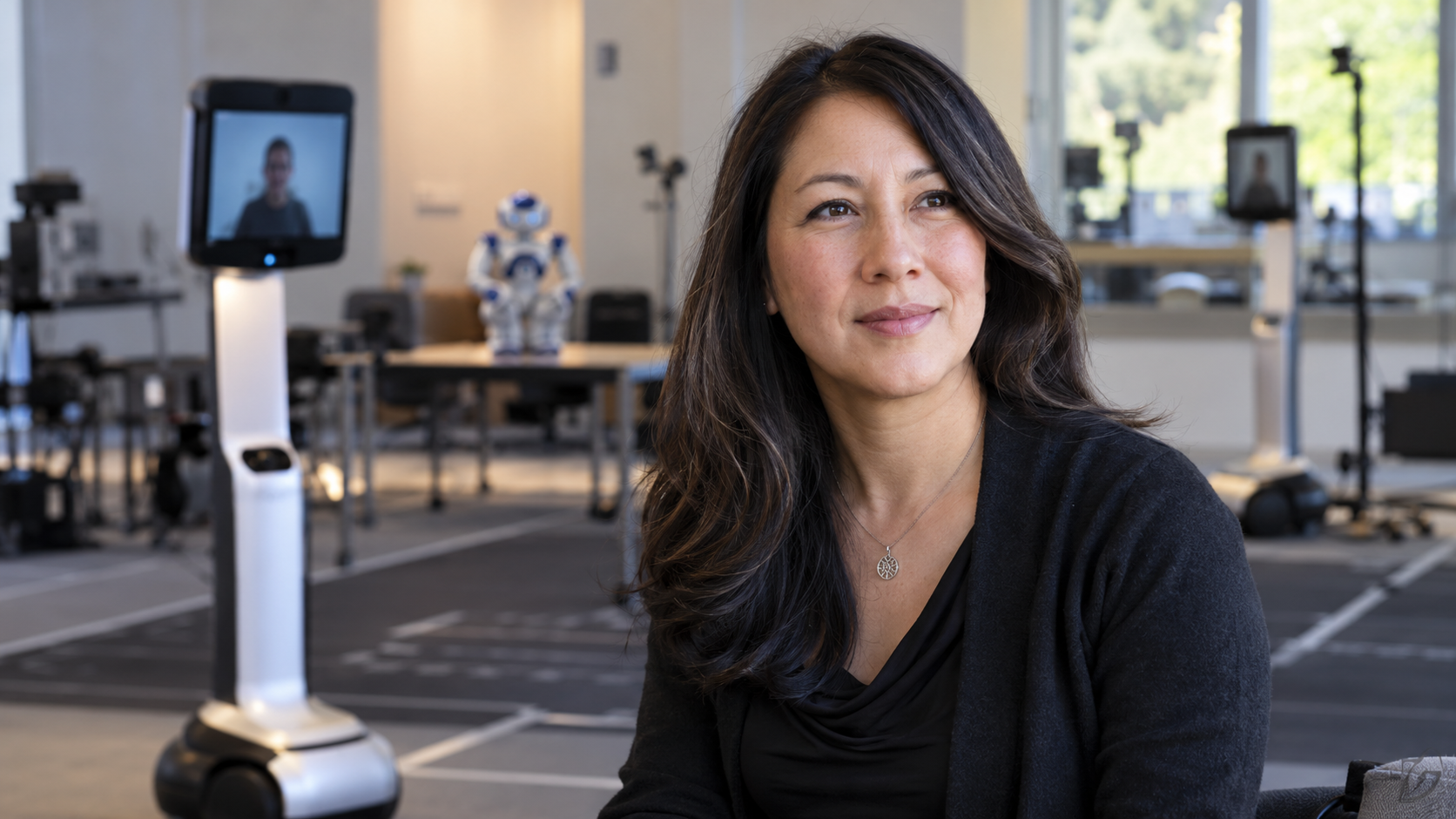
Leila Takayama offered this line in her TEDxPaloAlto talk on what it is like to operate and interact through robots. Takayama described how people assign meaning to robot height, movement, gaze, and autonomy. Telepresence studies showed that bodies and interfaces influence credibility, personal space, control, and responsibility even when the same person is operating the machine. Read in that setting, the quote is less a prediction than a practical standard for judging technical work.
New devices arrive in minds shaped by older social instincts. People respond to cues of agency, status, and presence before they have learned accurate models of the technology. Design therefore interacts with psychology whether teams plan for it or not. The central issue is therefore the relationship between capability, understanding, and responsibility. It directs attention to the work between an appealing idea and a dependable result: defining the problem clearly, exposing assumptions, and learning from evidence instead of relying on reputation or momentum. In practice, that means asking what changed, who gained new capability, and how the result would be checked by someone who did not share the builder’s expectations.
Human behavior is not fixed or identical across cultures and personalities. Takayama emphasized variation, including different reactions to autonomous assistance. Research should test real users rather than treating one response as universal. The limitation strengthens the argument because it identifies the conditions under which the idea can be applied responsibly. Strong technology reporting must preserve this nuance, because the same words can support very different choices when the original constraints disappear. A responsible reading also separates the speaker’s documented claim from broader promises that admirers may attach to it later. That protects both the historical record and the reader’s ability to disagree intelligently.
Robots, avatars, and AI agents increasingly represent people or act near them. Designers need to study expectations, preserve meaningful control, and make responsibility visible. Technical capability alone cannot predict whether an interaction will feel safe or fair. That is a demanding standard, but it is more durable than judging progress by speed, scale, or attention alone. For readers, builders, and institutions, the practical question is not whether the quotation sounds true in isolation, but whether current decisions honor the conditions and responsibilities it identifies. Teams can make that test concrete through review, accessible documentation, independent feedback, and measures that include failures as well as successes. Those habits turn a memorable insight into work that others can examine and improve.
Leila Takayama offered this line in her TEDxPaloAlto talk on what it is like to operate and interact through robots. Takayama described how people assign meaning to robot height, movement, gaze, and autonomy. Telepresence studies showed that bodies and interfaces influence credibility, personal space, control, and responsibility even when the same person is operating the machine. Read in that setting, the quote is less a prediction than a practical standard for judging technical work.
The source record connects the wording to her TEDxPaloAlto talk on what it is like to operate and interact through robots, which is the context used for this post.
New devices arrive in minds shaped by older social instincts. People respond to cues of agency, status, and presence before they have learned accurate models of the technology. Design therefore interacts with psychology whether teams plan for it or not. The central issue is therefore the relationship between capability, understanding, and responsibility. It directs attention to the work between an appealing idea and a dependable result: defining the problem clearly, exposing assumptions, and learning from evidence instead of relying on reputation or momentum. In practice, that means asking what changed, who gained new capability, and how the result would be checked by someone who did not share the builder’s expectations.
The interpretation focuses on a decision or design principle that readers can test against actual systems.
Human behavior is not fixed or identical across cultures and personalities. Takayama emphasized variation, including different reactions to autonomous assistance. Research should test real users rather than treating one response as universal. The limitation strengthens the argument because it identifies the conditions under which the idea can be applied responsibly. Strong technology reporting must preserve this nuance, because the same words can support very different choices when the original constraints disappear. A responsible reading also separates the speaker’s documented claim from broader promises that admirers may attach to it later. That protects both the historical record and the reader’s ability to disagree intelligently.
Robots, avatars, and AI agents increasingly represent people or act near them. Designers need to study expectations, preserve meaningful control, and make responsibility visible. Technical capability alone cannot predict whether an interaction will feel safe or fair. That is a demanding standard, but it is more durable than judging progress by speed, scale, or attention alone. For readers, builders, and institutions, the practical question is not whether the quotation sounds true in isolation, but whether current decisions honor the conditions and responsibilities it identifies. Teams can make that test concrete through review, accessible documentation, independent feedback, and measures that include failures as well as successes. Those habits turn a memorable insight into work that others can examine and improve.
Explore more "Quotes of The Day"
Discover more notable quotes from influential voices across politics, science, business, technology, sports, and culture. Each quote offers insight into how ideas, beliefs, and decisions shape the world around us.