

On This Day in Lifestyles: February 26, 1929
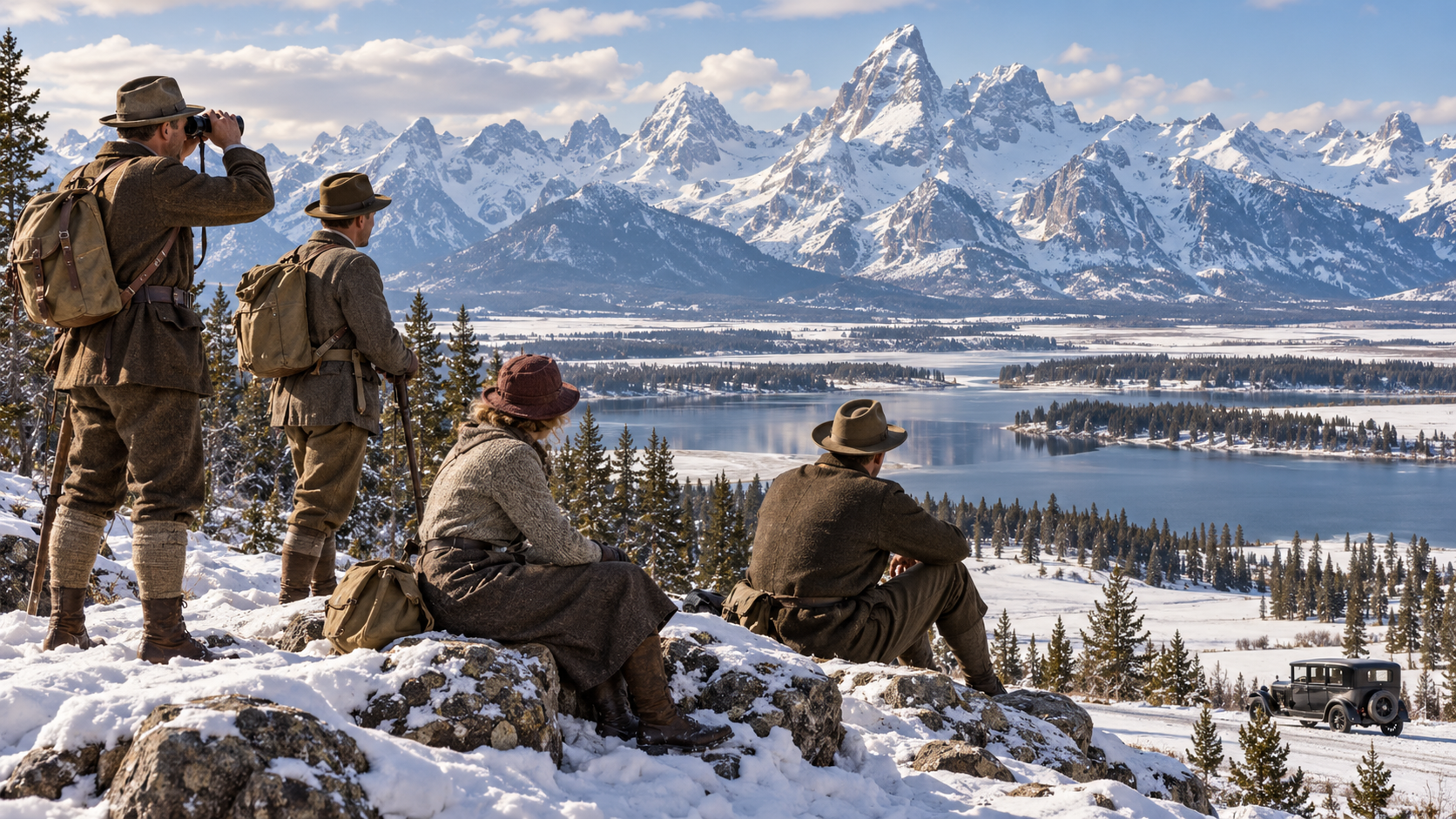
On February 26, 1929, President Calvin Coolidge signed legislation creating the original Grand Teton National Park. The 96,000-acre park protected the dramatic Teton Range and six glacial lakes at its base. For travelers, climbers, photographers, and nearby residents, the law placed a celebrated mountain skyline inside a new public framework devoted to long-term preservation and recreation. What happened that day brought a long-developing idea into public view. The headline was important, but so was the experience around it: people could finally enter, read, watch, use, or discuss a change that previously belonged mostly to plans and specialists.
The designation followed years of advocacy, compromise, and local debate. Conservationists feared commercial development would overwhelm the landscape, while ranchers and other residents worried about taxes, grazing, hunting, and federal control. Senator John Kendrick introduced the successful bill after a coordinating commission found enough local support. The boundaries reflected compromise and left much of Jackson Hole outside the park. The background reveals how social need, technology, commerce, and imagination had gradually converged. No milestone appears from nowhere; it depends on earlier experiments, patient labor, institutions willing to invest, and audiences prepared to make the new development meaningful.
The first park was therefore only one stage in a longer contest. John D. Rockefeller Jr. quietly purchased land intended for preservation, and Franklin Roosevelt later created Jackson Hole National Monument. Opposition remained intense until Congress combined the park, monument, and donated lands in 1950. The eventual landscape visitors experience today was assembled through decades of negotiation rather than one uncontested act. Contemporaries experienced both promise and friction. New systems rarely fit existing routines perfectly, so users and organizers learned through practice. Publicity amplified the breakthrough, but personal encounters—curiosity, inconvenience, pride, resistance, or delight—gave it emotional force.
Grand Teton now supports hiking, climbing, wildlife viewing, camping, scenic drives, and research while protecting an ecosystem shaped by Indigenous homelands, ranching, tourism, and conservation policy. Crowding, climate change, housing pressure, and wildlife management continue to test stewardship. The 1929 law matters because it began federal protection of the range and made preservation a continuing public responsibility rather than a finished victory. The anniversary endures because the underlying questions remain current. Who gets to participate, what values a system expresses, and how change reshapes relationships are not settled once. The historical moment offers a clear starting point for understanding choices still visible today. The anniversary also reminds us that everyday life is where large historical forces become personal, repeated, debated, and ultimately durable.
The original 96,000-acre park included the Teton Range and six glacial lakes at its base.
This detail helps place the anniversary in its original setting.
Supporters compromised with residents concerned about federal control, grazing, hunting, taxes, and private land.
The wider context explains why the moment drew public attention.
Later monument lands and Rockefeller donations were combined with the original park in 1950.
Its legacy remains visible in contemporary culture and everyday life.
Explore more of “This Day in Lifestyles”
Discover more moments in everyday life, design, education, travel, food, fashion, and culture. Each story connects a calendar date with an event that changed how people lived.