

Vital Signs Explainer
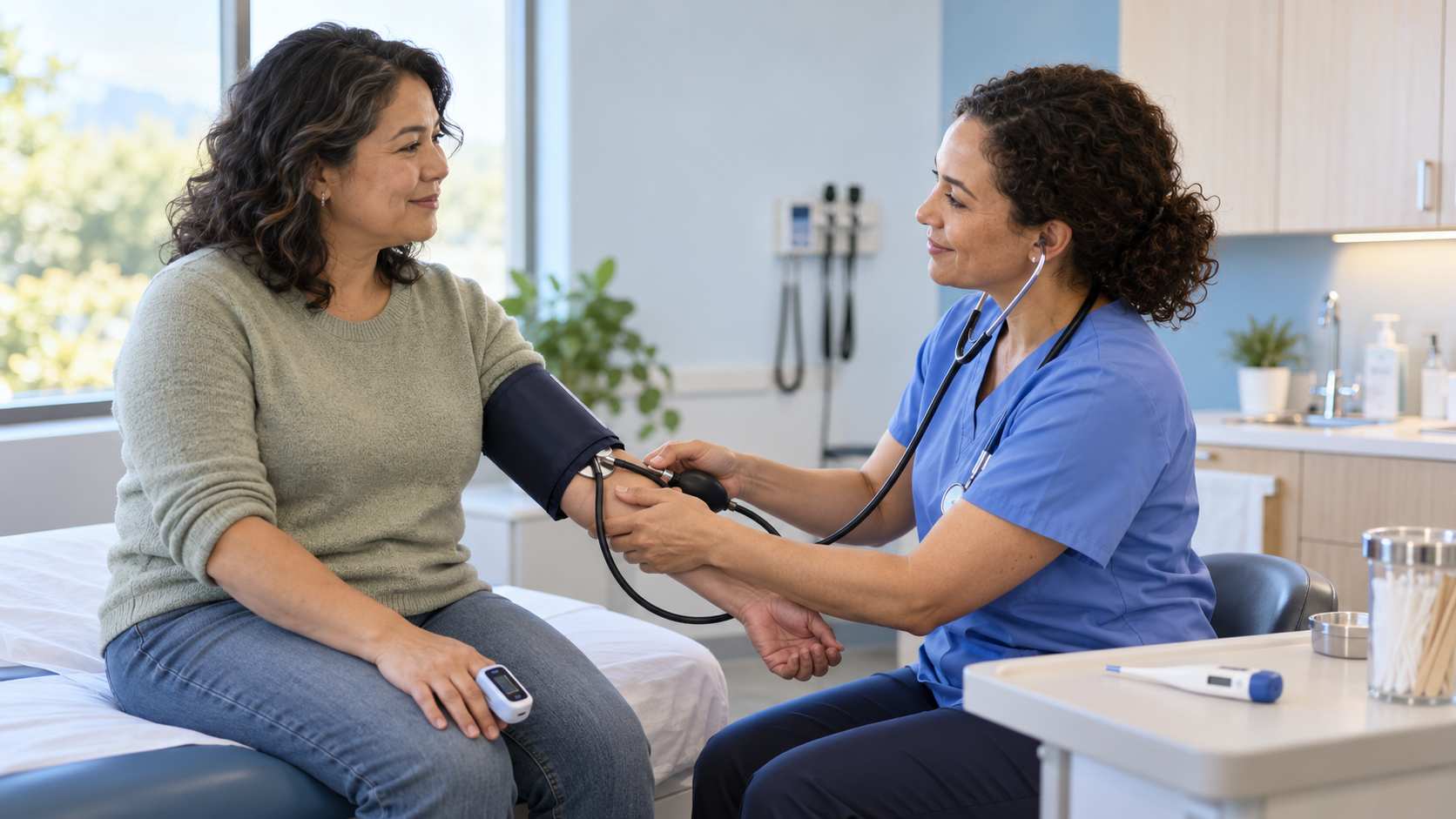
Vital signs are a small set of measurements that show how the body’s most basic functions are working at a particular moment. The core group usually includes body temperature, pulse or heart rate, breathing rate, and blood pressure. Many clinics also check oxygen saturation with a fingertip sensor. Together, these numbers give clinicians a quick picture of circulation, breathing, and temperature regulation.
A single reading is not a diagnosis. Vital signs change with age, fitness, pain, fever, stress, sleep, medicines, recent activity, and even the way a measurement is taken. A blood-pressure cuff that is too small, a patient who has just climbed stairs, or cold fingers under a pulse oximeter can produce a misleading result. Technique and context matter as much as the number.
Patterns are often more useful than isolated values. A clinician may repeat an unusual measurement, compare it with earlier readings, and consider symptoms and medical history. A modest change may be expected for one person but important for another. Hospitals may track trends frequently because a rising pulse, falling pressure, faster breathing, or lower oxygen level can signal that a patient needs prompt assessment.
People who monitor at home should use equipment as directed, record the circumstances, and know when their care team wants a call. Severe trouble breathing, fainting, confusion, blue or gray lips, or other alarming symptoms deserve urgent help regardless of a device reading. Vital signs are useful signals, but they work best as part of a fuller clinical evaluation.
Temperature reflects the balance between heat production and heat loss. Pulse counts heartbeats, while breathing rate counts breaths. Blood pressure describes the force of blood against artery walls, and oxygen saturation estimates how much hemoglobin is carrying oxygen.
Normal ranges are not identical for everyone. Age, pregnancy, chronic illness, altitude, medicines, and physical conditioning can all influence the interpretation.
Measurement errors can come from poor positioning, movement, an incorrect cuff size, nail products, cold hands, or a device that is not validated. Resting briefly and repeating a reading can help.
Home and clinic readings may also differ because routines and stress levels differ. Bring a home device to an appointment if the care team wants to compare it with office equipment.
A care team can provide individualized thresholds based on a person's diagnoses and treatment plan. Unexpected changes accompanied by symptoms generally matter more than a familiar stable pattern.
Do not delay emergency care because a home monitor looks normal. Symptoms such as severe chest pain, major breathing difficulty, new weakness, or loss of consciousness require immediate evaluation.
Explore more "Explainers"
Discover additional explainers across politics, science, business, technology, and other fields. Each explainer breaks down a complex idea into clear, everyday language—helping you better understand how major concepts, systems, and debates shape the world around us.