

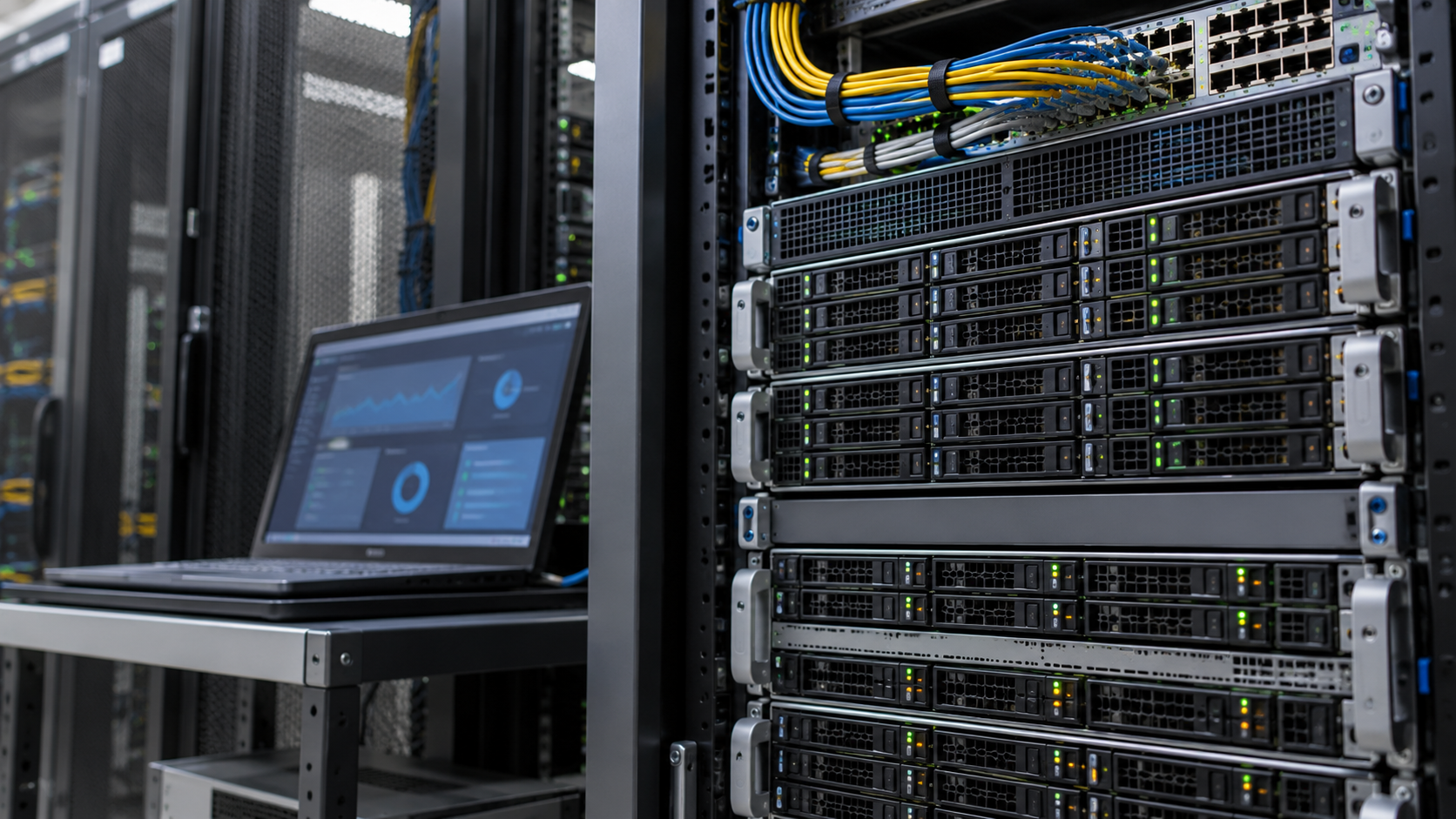
Hypervisor Explainer
A hypervisor is the software layer that allows one physical computer to host multiple virtual machines. It sits between the hardware and the virtual systems, organizing access to the processor, memory, storage, and network hardware. Each virtual machine receives a defined share of those resources and behaves as though it has its own computer, even though many machines may be sharing one host.
When a virtual machine needs processor time, the hypervisor schedules it on the real processor. When it needs memory, the hypervisor maps virtual memory addresses to physical memory. The same idea applies to disks and network adapters: the guest system sees a virtual device, while the hypervisor connects that virtual device to the actual hardware. This separation makes it possible to run different operating systems and applications side by side without installing each one on a separate physical server.
There are two broad styles. A bare-metal hypervisor runs directly on server hardware and is commonly used in data centers. A hosted hypervisor runs as an application inside a normal operating system and is useful for development, testing, and personal use. Both provide virtual machines, but the surrounding management, performance characteristics, and security model differ. The appropriate choice depends on the workload and how much control the organization needs.
The hypervisor also helps manage the life cycle of a virtual machine. It can start, stop, pause, copy, or restore a virtual system. Administrators can create a template with a standard operating system and configuration, then use it to make consistent new machines. Some platforms can move a running virtual machine from one physical host to another when the storage and network setup support it. This can make maintenance easier because a host can be repaired without stopping every service first.
Resource planning still matters. A hypervisor can assign more virtual processor or memory capacity than a host has available at the same instant, but that does not create extra physical capacity. If too many guests become busy together, performance can fall. Disk input and output, network traffic, and memory pressure are common limits. Good monitoring shows both the condition of each virtual machine and the shared host beneath it.
Security also remains a shared responsibility. The hypervisor and its management console need updates and limited administrator access. Guests need their own patches, firewalls, and application protections. A mistake in the host configuration can affect many virtual machines at once, while an overly broad administrator account can grant access across every workload. Segmentation and backups help reduce the impact of a problem.
The central idea is coordination. A hypervisor turns one set of hardware into several controlled computing environments, making servers easier to share and workloads easier to separate. It is a foundational tool for modern virtualization, but its benefits rely on deliberate capacity planning, security controls, and recovery procedures.
A hypervisor is software that creates and manages virtual machines. The host is the real hardware, while a guest is an operating system running in a virtual machine. Virtual devices give each guest controlled access to shared hardware.
It schedules processor time, maps memory, connects virtual disks and network adapters to real devices, and helps start, stop, or restore virtual machines. Management tools can also apply templates and coordinate maintenance across hosts.
A hypervisor cannot create unlimited hardware capacity. Virtual machines still compete for real processor, memory, disk, and network resources. The host, guests, and management controls also all need security updates and tested recovery plans.
Explore more "Explainers"
Discover additional explainers across politics, science, business, technology, and other fields. Each explainer breaks down a complex idea into clear, everyday language—helping you better understand how major concepts, systems, and debates shape the world around us.