

On This Day in Tech: February 16, 1968
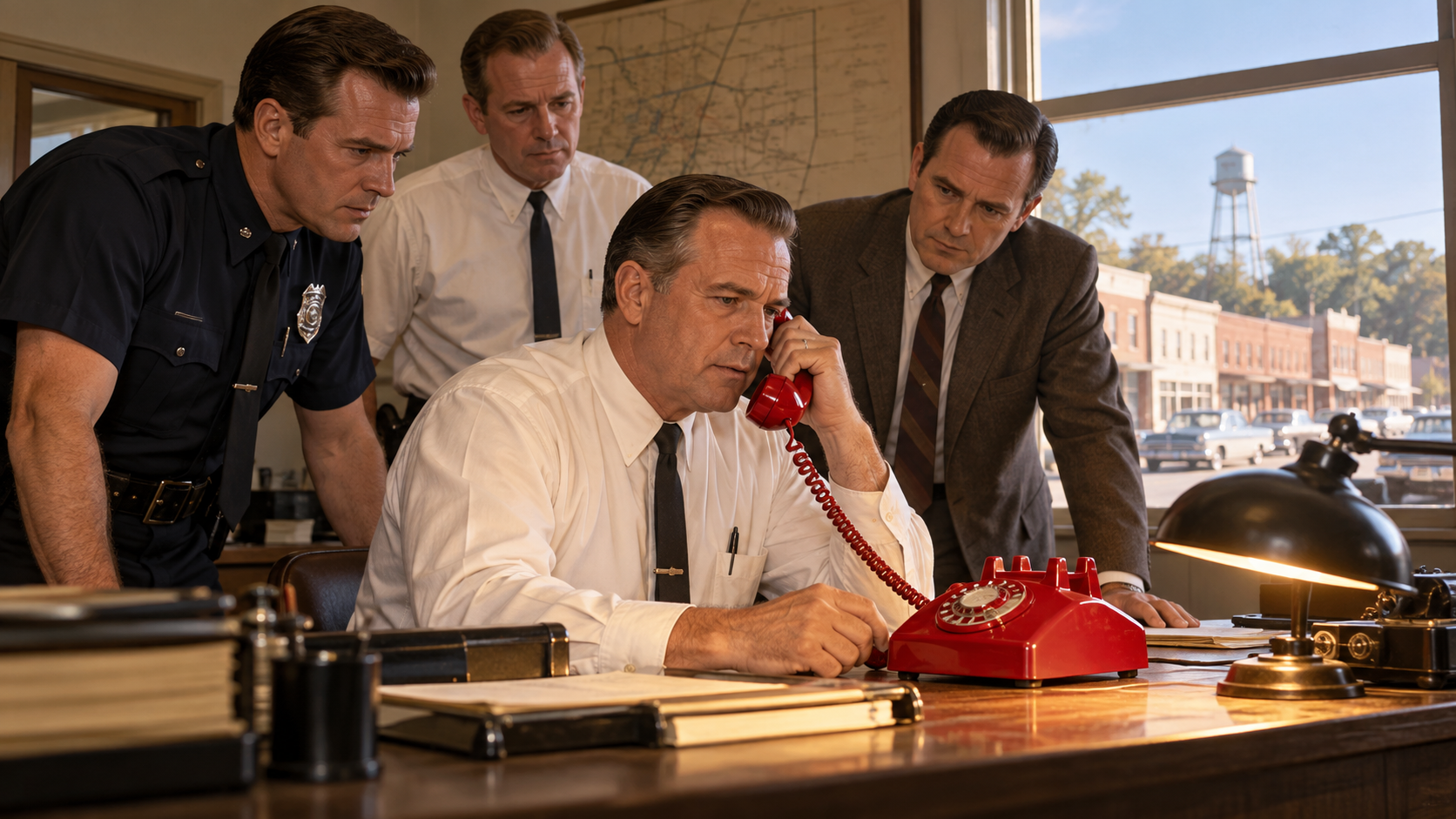
On February 16, 1968, in Haleyville, Alabama, Alabama House Speaker Rankin Fite and Congressman Tom Bevill participated in a demonstration arranged by the local telephone company. Fite placed the first call using the new three-digit emergency number 911. The call was answered at the Haleyville police station, showing that a short, memorable number could route residents to emergency assistance. The event emerged from a specific set of technical goals rather than from a single flash of invention. Engineers, operators, and institutions had spent years translating laboratory ideas into equipment that could work under real conditions. What happened that day gave the public a clear, observable milestone, while the larger project still depended on testing, funding, training, and careful coordination.
Americans previously depended on local police, fire, or operator numbers that varied from one community to another. In a crisis, callers needed a number that was easy to remember and could be implemented across many independent telephone systems. Telephone switching equipment had to recognize 911 as a special code and direct it to a designated public-safety answering point. That background matters because the milestone joined hardware, software, standards, and human judgment into one working system. The design had to perform reliably enough for practical use, not merely demonstrate an isolated principle. Earlier experiments had established pieces of the solution, but the February event showed how those pieces could be combined at a scale or level of confidence that changed what planners believed was possible.
The Alabama Telephone Company moved quickly to deploy the service after federal officials and industry leaders selected 911 as the national number. The successful call demonstrated a working local implementation only weeks after the national plan was announced. Haleyville’s ceremony gave a concrete start to a system that would require years of expansion across the country. The outcome was important on its own terms, yet it should not be mistaken for the final form of the technology. Performance limits, cost, safety, access, and competing approaches still shaped what came next. Even so, the date provided evidence that specialists, policymakers, businesses, or consumers could evaluate, and it moved the idea from proposal toward an operational path.
The event showed communities how existing telephone infrastructure could be adapted for faster access to police, fire, and medical help. Nationwide coverage was not immediate, and later enhanced systems were needed to provide location and callback information automatically. 911 evolved into a critical public-safety platform and continues to change as centers incorporate mobile location, text, and digital network technologies. Later improvements often looked very different from the equipment used on the anniversary itself, but they built on the same underlying breakthrough in capability, organization, or public acceptance. The legacy also includes lessons about how technology spreads: success depends on institutions, standards, and users as much as on a machine. Remembering the event precisely helps separate the verified achievement of that day from developments that followed months or years later.
The key setting was Haleyville, Alabama. The people and institutions most directly involved were Alabama House Speaker Rankin Fite and Congressman Tom Bevill participated in a demonstration arranged by the local telephone company, connecting research with practical operations.
Before the anniversary, Americans previously depended on local police, fire, or operator numbers that varied from one community to another. The unresolved challenge was clear: In a crisis, callers needed a number that was easy to remember and could be implemented across many independent telephone systems.
The technology at the center of the story can be summarized this way: Telephone switching equipment had to recognize 911 as a special code and direct it to a designated public-safety answering point. It supplied the practical foundation for the milestone.
The immediate result was documented in concrete terms: The successful call demonstrated a working local implementation only weeks after the national plan was announced. Still, Nationwide coverage was not immediate, and later enhanced systems were needed to provide location and callback information automatically.
The longer significance rests on more than novelty. 911 evolved into a critical public-safety platform and continues to change as centers incorporate mobile location, text, and digital network technologies.
The event connects to a broader pattern in technology history: reliable systems mature through testing, standards, investment, and use. Later versions changed, but the verified accomplishment on February 16, 1968 remained the reference point.
Explore more of "On This Day ..."
Discover more events from the same date across news, politics, technology, sports, and other fields. Each link highlights significant moments that shaped history on different fronts.