

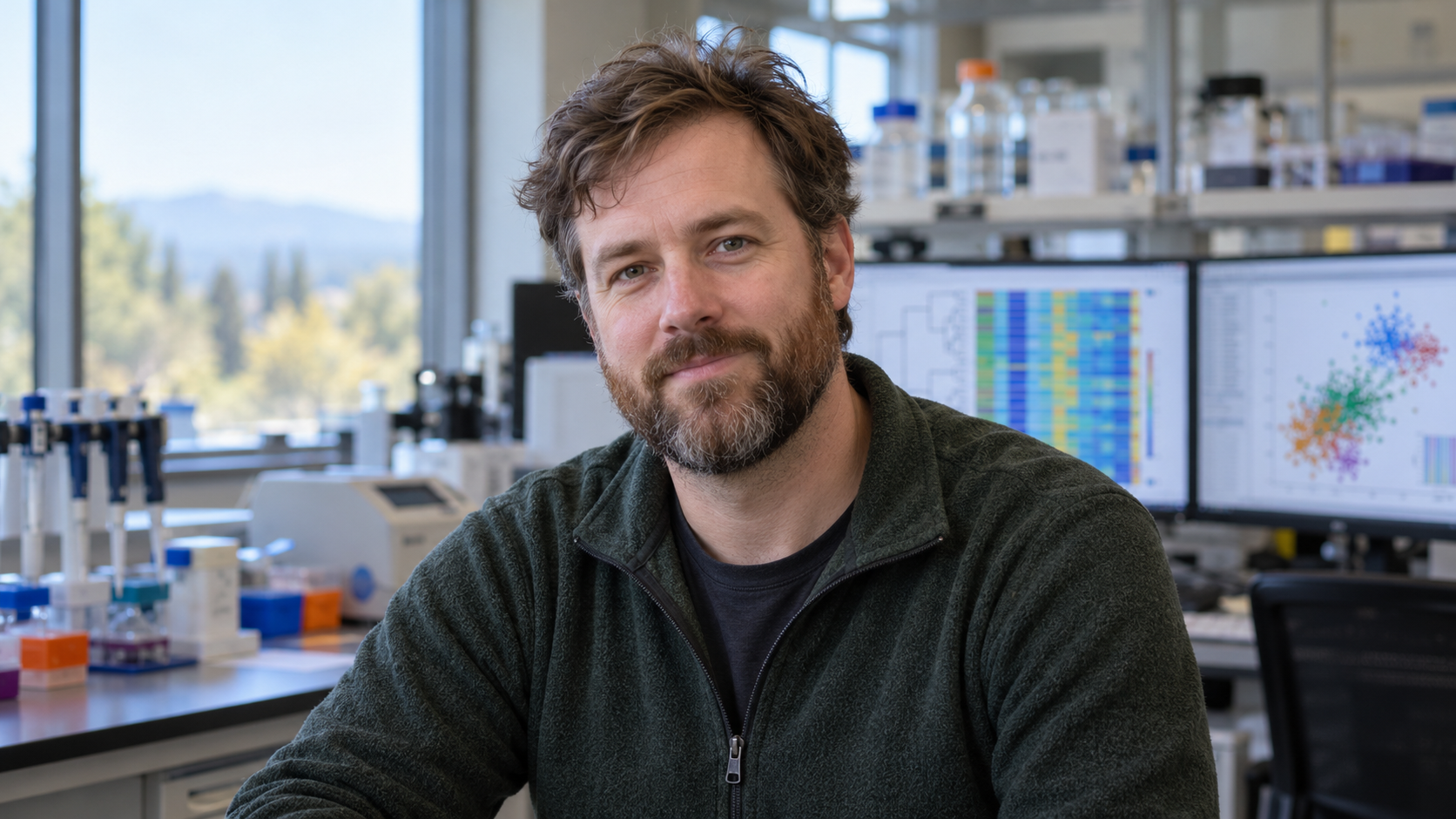
“There are about a hundred trillion microbes living inside your gut.”
Knights described the vast microbial community in the digestive tract and research on differences between industrialized and traditional lifestyles. He linked diversity loss with questions about diet, antibiotics, environment, and disease. The primary record for Dan Knights identifies Knights’s 2017 TEDMED talk comparing gut microbiomes across populations and changing environments. Reading Knights’s source beside Knights’s words separates Knights’s verified context from Knights’s later paraphrase. October 30 orders Knights’s series; October 30 does not tie Knights’s statement to Knights’s historical anniversary for Knights. The paired references let Knights’s readers compare Knights’s wording with Knights’s institutional record and Knights’s biography. That documented trail for Knights preserves Knights’s audience, Knights’s purpose, and Knights’s necessary limitation. Editors can quote Knights while keeping Knights’s original question visible to Knights’s readers.
Humans live in partnership with microbial ecosystems that aid digestion, immune regulation, and resistance to infection. Population differences can generate hypotheses about how modern environments reshape that relationship. Microbiome studies often find association rather than causation, and stool samples provide an incomplete view. Commercial tests and supplements may promise more personalized certainty than evidence supports. For Knights, the line becomes Knights’s interpretive lens rather than Knights’s complete clinical guidance. Applying Knights’s idea requires Knights’s current evidence, Knights’s affected communities, and Knights’s suitable outcomes. In health reporting, Knights should guide Knights’s inquiry before Knights supports Knights’s conclusion. A careful reading of Knights separates Knights’s descriptive findings from Knights’s moral judgment and Knights’s policy choice. Each layer around Knights needs Knights-specific support plus Knights-specific accountability. That structure keeps Knights’s memorable words connected to Knights’s documented scope and limits.
Longitudinal studies, controlled trials, better reference populations, and transparent methods can clarify which interventions help. Antibiotic stewardship and diet research should avoid turning diversity into a single universal score. Knights made the gut ecosystem visible at a human scale. The quotation remains a useful doorway into a field that requires both wonder and restraint. The continuing question from Knights is practical for Knights: which decision embodies Knights’s principle? Readers can test Knights’s relevance when Knights’s practical questions for Knights ask who gains, where Knights’s risk falls, and how Knights’s improvement gets measured. Organizations honor Knights by assigning Knights-specific responsibility, Knights-specific resources, Knights-specific timelines, and Knights-specific public feedback. Individuals may use Knights for Knights-specific reflection while qualified care addresses Knights’s personal relevance. That distinction lets Knights inspire Knights-specific action without turning Knights’s editorial context into Knights’s medical advice. A transparent Knights review lets Knights’s principle face Knights’s real outcomes and necessary correction.
Knights’s 2017 TEDMED talk comparing gut microbiomes across populations and changing environments.
The primary record anchors Dan Knights’s wording and prevents the October calendar from being mistaken for an anniversary.
Humans live in partnership with microbial ecosystems that aid digestion, immune regulation, and resistance to infection.
Its value is strongest when surrounding evidence, affected people, and practical conditions remain visible.
Microbiome studies often find association rather than causation, and stool samples provide an incomplete view.
Apply the insight with consent, equity, current evidence, and a willingness to revise decisions when outcomes differ from expectations.
Explore more "Quotes of The Day"
Discover more notable quotes from influential voices across politics, science, business, technology, sports, and culture. Each quote offers insight into how ideas, beliefs, and decisions shape the world around us.