

On This Day in Health: September 12, 1978
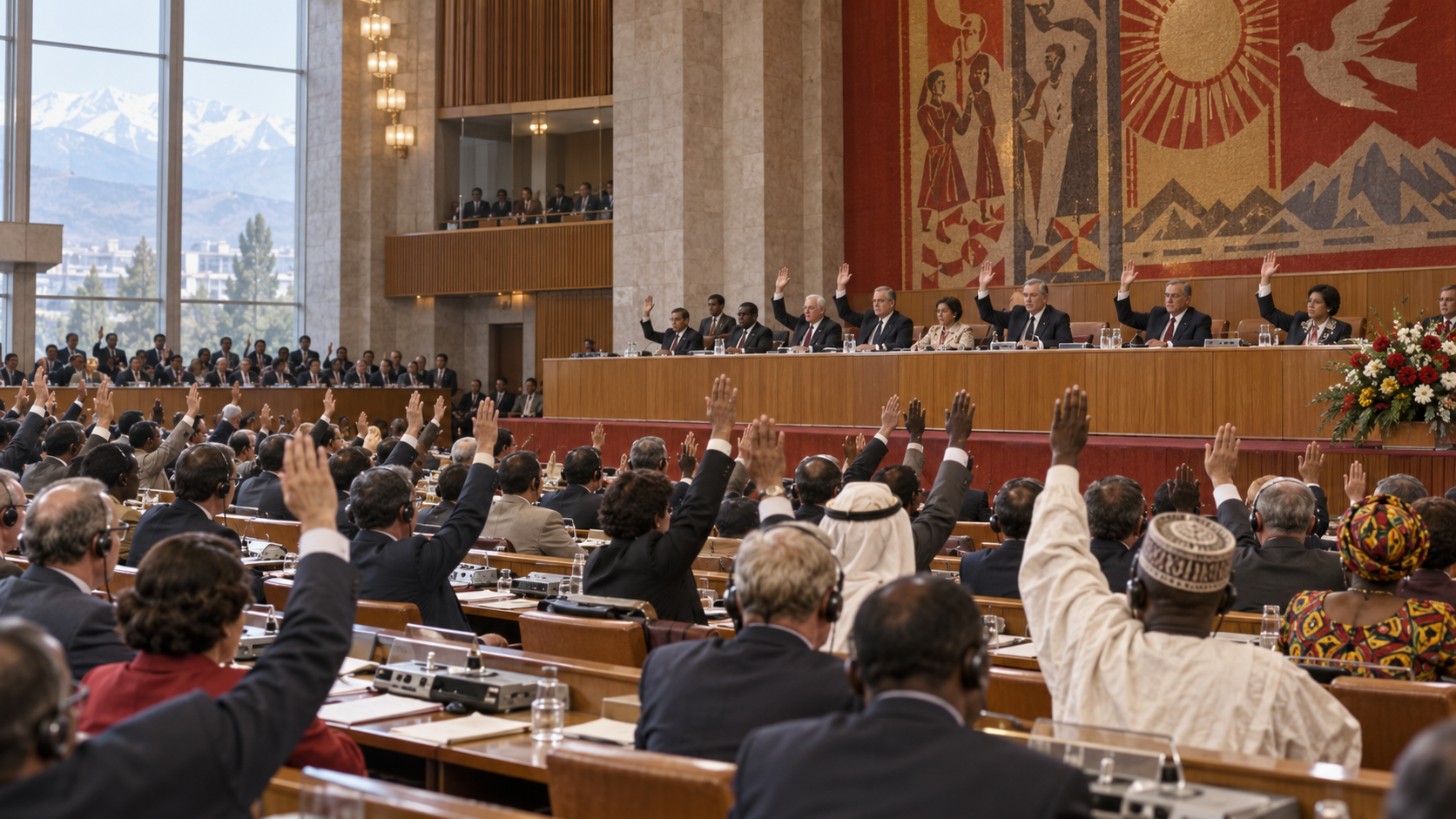
On September 12, 1978, delegates at the International Conference on Primary Health Care in Alma-Ata, in the Kazakh Soviet Socialist Republic, adopted a declaration calling for urgent national and international action to protect and promote health through primary care. This date matters because it fixes a broad medical story to a specific moment, place, and group of people. It also shows how health history is shaped by institutions and practical choices as well as laboratory discoveries.
The background was already developing before that day. Many countries had built hospital-centered systems that reached cities and specialists more readily than rural or poor communities. WHO and UNICEF convened governments, health workers, and development organizations to consider services organized around prevention, community participation, appropriate technology, and the first level of contact. Those conditions defined what participants could attempt and what patients or communities could reasonably expect. They also explain why later accounts sometimes compress years of preparation into a single anniversary. Looking at that preparation keeps credit broad and makes the turning point easier to understand without turning it into a miracle story.
What happened on the date was consequential but limited. The declaration described health as a fundamental human right and called inequality in health status unacceptable. It defined primary health care broadly, including education, nutrition, safe water, maternal and child care, immunization, essential drugs, and treatment close to where people live and work. Its goal of health for all by the year 2000 was not achieved, and political conflict, debt, underinvestment, workforce shortages, and selective programs weakened implementation. The document offered principles, but governments still had to finance and organize durable services. The distinction is important: the event did not instantly solve the underlying health problem, and later progress depended on follow-up research, training, policy, funding, and public trust. Contemporary evidence also helps separate what participants knew then from interpretations added after the result became famous.
Its longer legacy reaches beyond the original setting. Alma-Ata gave primary health care a shared global language and influenced health-system reform, community health work, universal coverage, and later declarations. It shifted attention from isolated medical interventions toward integrated services and the social conditions that shape health. The declaration remains a benchmark when health systems debate how to balance hospitals with prevention and neighborhood care, and how to make access universal while involving communities in decisions. Seen in context, the anniversary is useful because it connects a concrete historical episode with continuing questions about evidence, access, safety, and responsibility in health care. That connection is stronger when the people affected, the limits of the achievement, and the work still unfinished remain part of the account.
The declaration described health as a fundamental human right and called inequality in health status unacceptable. It defined primary health care broadly, including education, nutrition, safe water, maternal and child care, immunization, essential drugs, and treatment close to where people live and work.
Its goal of health for all by the year 2000 was not achieved, and political conflict, debt, underinvestment, workforce shortages, and selective programs weakened implementation. The document offered principles, but governments still had to finance and organize durable services.
Alma-Ata gave primary health care a shared global language and influenced health-system reform, community health work, universal coverage, and later declarations. It shifted attention from isolated medical interventions toward integrated services and the social conditions that shape health.
Many countries had built hospital-centered systems that reached cities and specialists more readily than rural or poor communities. WHO and UNICEF convened governments, health workers, and development organizations to consider services organized around prevention, community participation, appropriate technology, and the first level of contact.
delegates at the International Conference on Primary Health Care in Alma-Ata, in the Kazakh Soviet Socialist Republic, adopted a declaration calling for urgent national and international action to protect and promote health through primary care.
The declaration remains a benchmark when health systems debate how to balance hospitals with prevention and neighborhood care, and how to make access universal while involving communities in decisions.
Explore more of "On This Day ..."
Discover more events from the same date across news, politics, technology, sports, and other fields. Each link highlights significant moments that shaped history on different fronts.