

Digital Twin Explainer
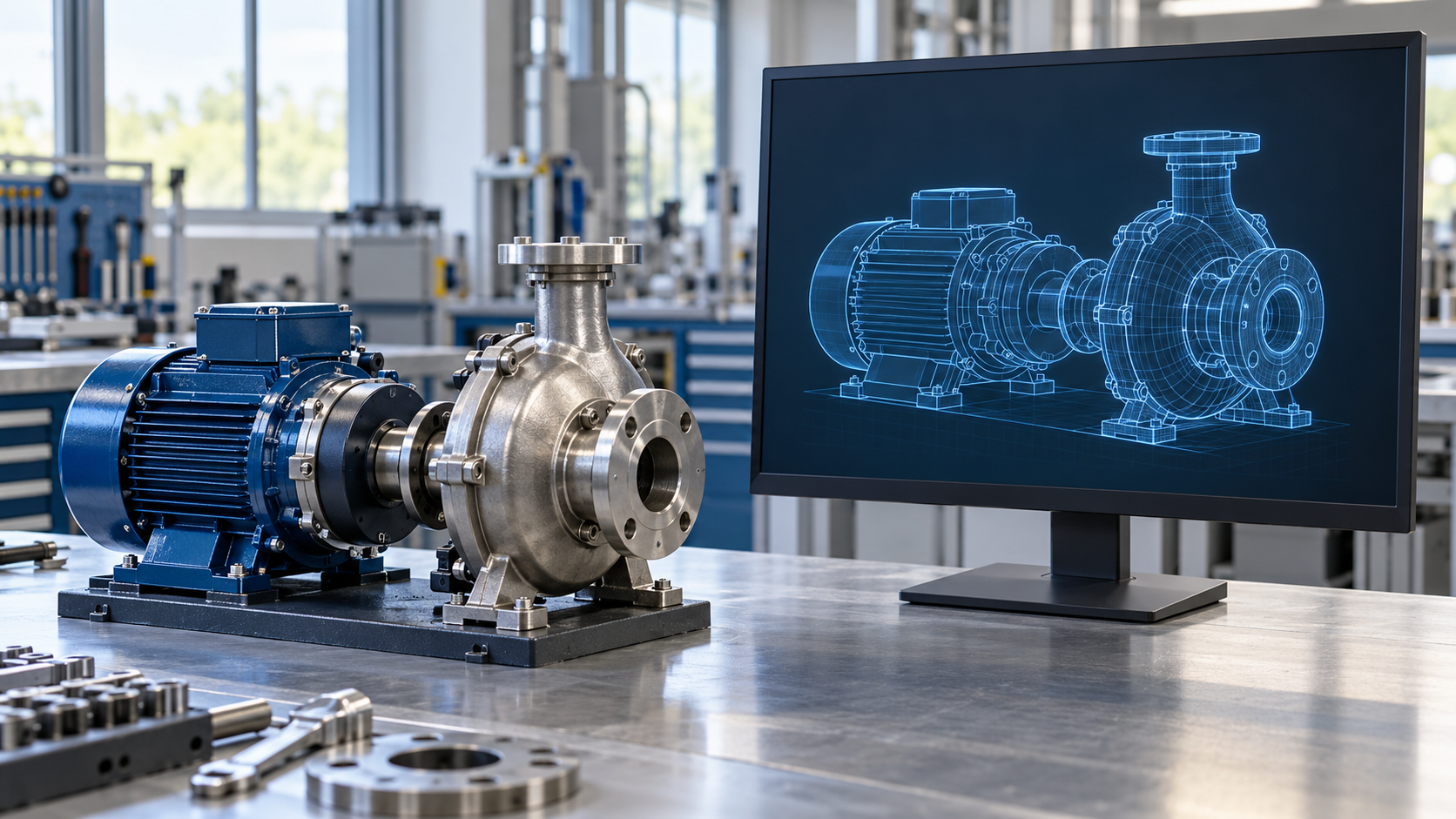
A digital twin is a digital model of a real object, process, or system. It might represent one machine, a building, a delivery route, or an entire factory. The model is connected to measurements from the real thing so it can reflect how that thing is operating.
Sensors, maintenance records, and operating data give the twin useful inputs. Engineers can compare expected behavior with current readings, spot a change early, and test a possible adjustment in the model before making it in the physical system.
A twin does not have to duplicate every detail at every second. The useful level of detail depends on the question. A simple twin may track location and condition, while a more advanced one can estimate wear, energy use, or the effect of a new setting.
The goal is better decisions, not a perfect virtual copy. A digital twin works best when its data is reliable, its assumptions are clear, and people use its predictions alongside real-world checks.
A digital twin is a data-informed model of a real asset or process. It helps people observe, test, and plan changes without relying only on the physical system.
The data depends on the job. It can include sensor readings, service history, usage patterns, location, and design information, with quality checks to keep the model useful.
It can flag patterns that deserve attention and estimate likely outcomes, but it cannot guarantee a failure will happen. Human review and physical inspection still matter.
Explore more "Explainers"
Discover additional explainers across politics, science, business, technology, and other fields. Each explainer breaks down a complex idea into clear, everyday language—helping you better understand how major concepts, systems, and debates shape the world around us.