

“Remember the Ladies”
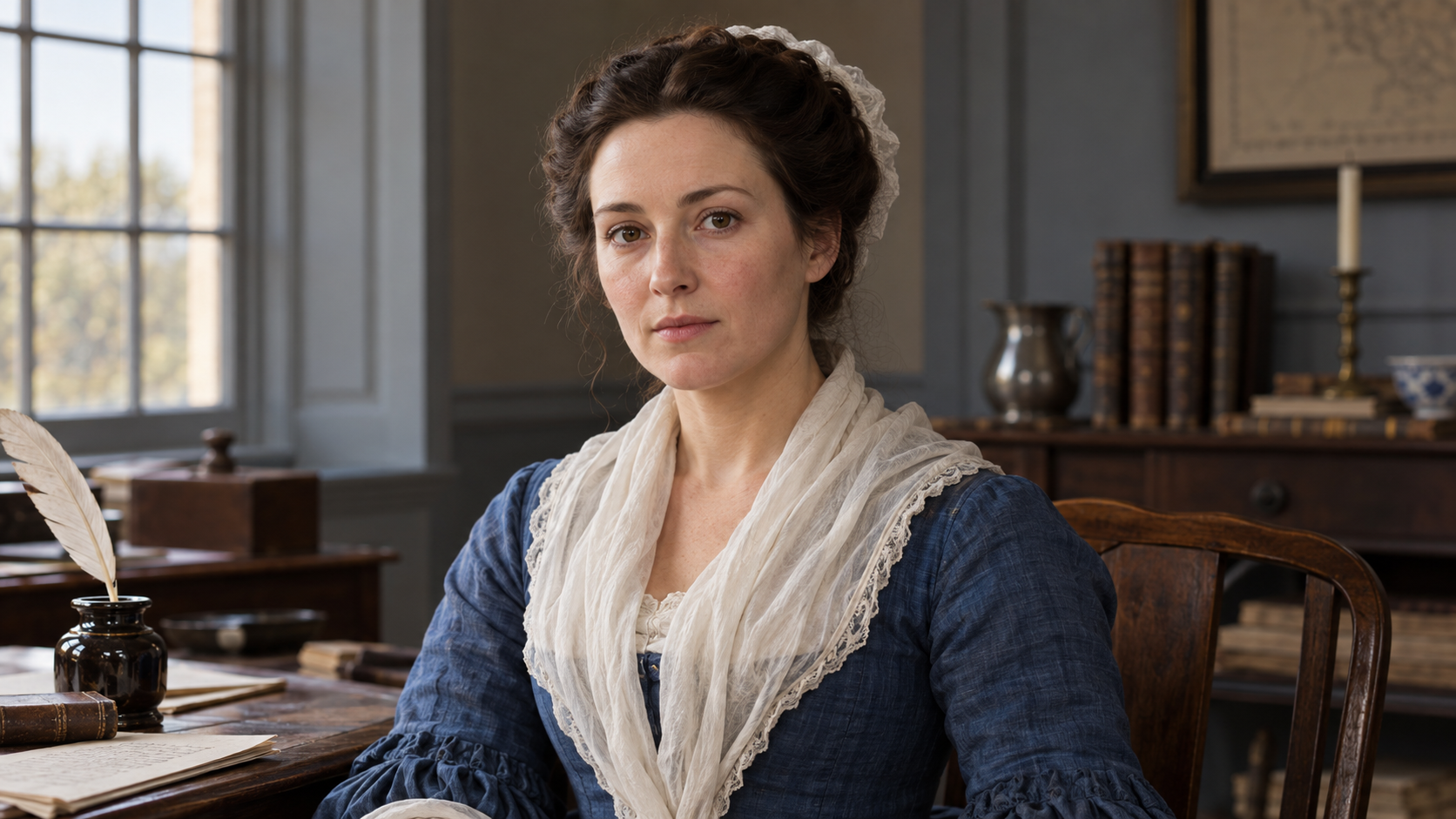
Abigail Adams wrote this appeal to her husband, John Adams, in a letter begun on March 31, 1776. John was attending the Continental Congress in Philadelphia while Abigail remained in Massachusetts. She imagined the new code of laws that independence might require and asked him to consider women more generously than earlier lawmakers had done. The famous three words are a short excerpt from a longer passage that also warns against placing unlimited power in husbands’ hands. That surrounding language makes the subject concrete. Abigail was not simply requesting ceremonial recognition or an occasional expression of appreciation. She was questioning a distribution of authority within marriage and asking whether the arguments used against arbitrary political power would extend to women’s lives. The letter connects the creation of a new political order with the people whose interests that order might overlook.
The force of the passage comes from its use of the Revolution’s own concerns. If power becomes dangerous when it lacks restraint, why should domestic authority be exempt from examination? Abigail’s language about laws, voice, and representation makes that question difficult to confine to private courtesy. Still, the letter should not be presented as a fully developed modern suffrage platform. Its immediate appeal concerns the new laws and husbands’ authority, and its language belongs to the social circumstances of an eighteenth-century correspondent. The distinction matters because a celebrated historical phrase can be made to sound more familiar by removing the details that make it historically valuable. Reading the passage closely reveals both its reach and its limits. It challenges a principle of unchecked authority without supplying an entire constitutional design, and it offers an argument whose implications readers must work through rather than assume have already been settled.
For contemporary political discussion, the letter suggests a useful test of an ambitious reform: who remains outside its promised protections? A movement can speak broadly about liberty while designing rules around the needs and experiences of a narrower group. Examining that gap requires more than adding a woman’s name to a commemorative account. It means asking who can bring a grievance, influence a decision, control property or resources, and obtain protection when authority is abused. Those questions turn remembrance into scrutiny of institutions. They also help distinguish individual access to a powerful person from an enforceable right available to everyone in the same position. Abigail could address John directly, but a legal safeguard cannot depend entirely on such a relationship. The lasting relevance of her appeal is that independence creates a responsibility to inspect power at more than one level. A new nation’s claims deserve to be tested in households and everyday relationships as well as in its declarations about sovereignty. Remembering the people affected by a law means considering how the law will actually govern their lives.
Abigail Adams addressed the words to John Adams in her March 31–April 5, 1776 letter, while he was at the Continental Congress.
The famous phrase is an excerpt from her discussion of a new code of laws and the power that husbands exercised over wives.
The passage applies concern about arbitrary authority to domestic life, asking why husbands should hold unlimited power.
The letter is not a complete modern voting-rights platform. Its immediate legal and marital concerns should remain visible.
The argument encourages readers to examine who benefits from a political reform and who remains outside its protections.
A right should not depend on personal access to a sympathetic officeholder. Institutional safeguards make protection more broadly usable.
Explore more "Quotes of The Day"
Discover more notable quotes from influential voices across politics, science, business, technology, sports, and culture. Each quote offers insight into how ideas, beliefs, and decisions shape the world around us.