

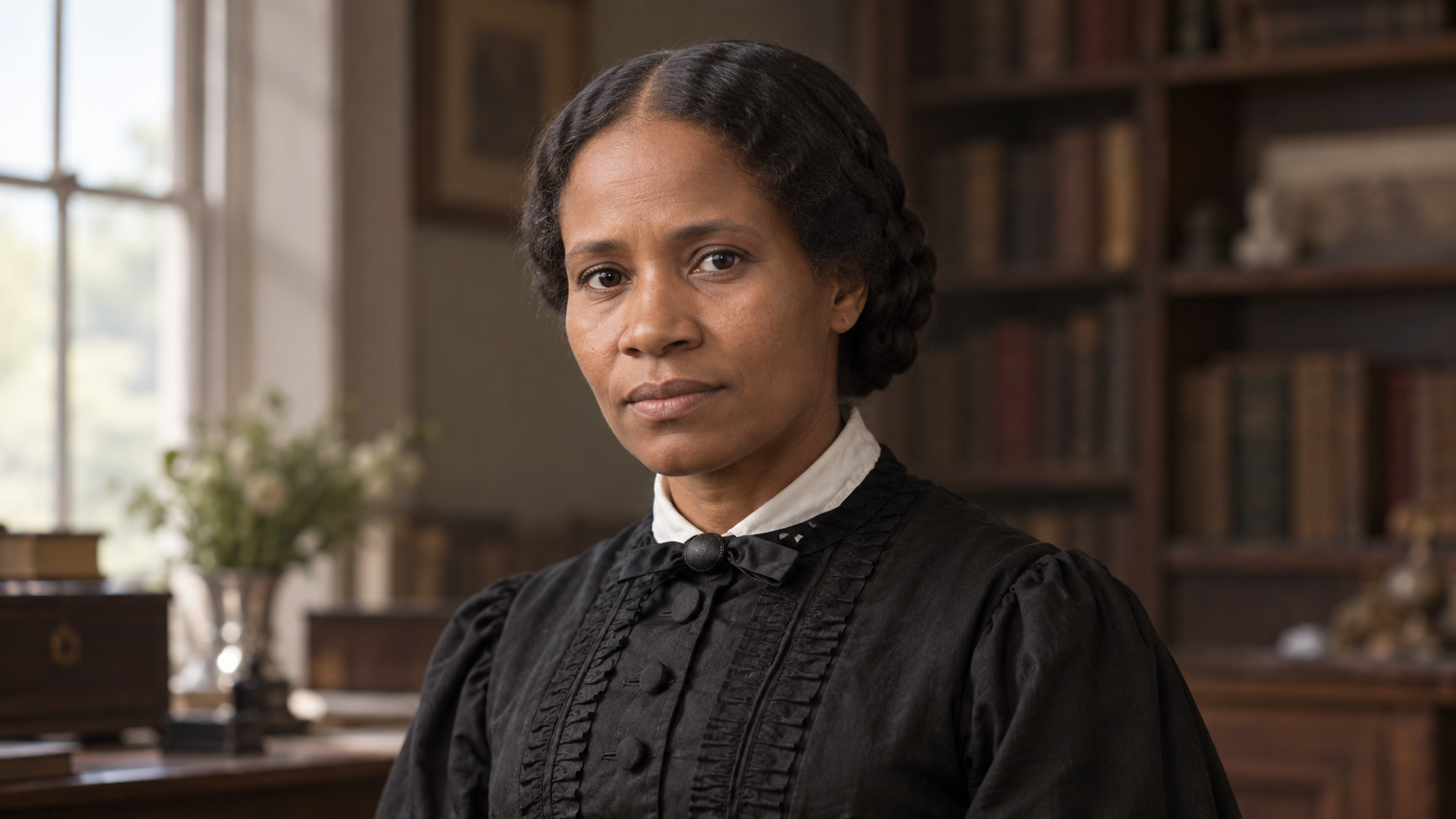
You white women speak here of rights. I speak of wrongs.
Frances Ellen Watkins Harper made this distinction while addressing the National Woman’s Rights Convention in New York on May 10, 1866. The Civil War had ended, but the political meaning of freedom and equal citizenship remained under fierce examination. Harper spoke as a Black woman, a writer, and an experienced reformer. Her address challenged the assumption that the experiences of white women could stand for those of all women. The quoted contrast between rights and wrongs does not reject the pursuit of rights. It asks the convention to connect that pursuit with injuries that some participants could describe abstractly while others had endured as material facts of daily life.
Harper’s account of widowhood gives the statement a concrete setting. After her husband’s death, she describes losing household property through the administration of his estate and the claims of creditors. She had to earn a living while responsible for her child. This story places questions of property, labor, and family security beside the political demands under discussion. A declaration of equal rights could sound incomplete to a woman confronting those immediate vulnerabilities. By addressing the audience directly, Harper makes the difference in experience impossible to conceal behind a single collective identity. She asks listeners to consider whose hardships their movement recognizes and whose circumstances remain outside its habitual view.
The speech also places racial injustice within a shared moral and political world. Harper argues that society is bound together and that harm inflicted on a vulnerable group cannot be understood as entirely isolated from the rest. She recalls the effects of slavery on liberty and public discussion, connecting the oppression of Black Americans with injuries to broader freedoms. Her intervention is therefore both a criticism of exclusion and an argument for common responsibility. Solidarity, in this account, requires more than agreement on a slogan. It involves listening to evidence of unequal treatment and allowing that evidence to change the priorities, language, and practical demands of collective action.
The quotation remains valuable for examining how political movements define the people they claim to represent. A shared category can conceal differences in wealth, racial treatment, legal position, and exposure to violence or economic insecurity. Harper’s address offers a way to question those omissions without abandoning a common struggle. The relevant test is whether a campaign’s goals address the circumstances of those most easily overlooked and whether its participants have a meaningful part in shaping them. Her words also preserve the authority of personal testimony within public argument. Naming a wrong can reveal a deficiency in the existing account of rights, turning an apparently unified cause toward a more complete understanding of justice.
Harper addressed the National Woman's Rights Convention in New York on May 10, 1866.
Her account combines the political struggle for rights with the material consequences of widowhood, property loss, and racial injustice.
The direct address to white women challenges the treatment of one group's experience as representative of all women.
Harper's larger argument connects unequal burdens with common responsibility, making attentive listening part of solidarity.
Political coalitions can test whether their priorities include the people whose circumstances are easiest to overlook.
Personal testimony can expose gaps in a movement's public language and help turn formal commitments into practical demands.
Explore more "Quotes of The Day"
Discover more notable quotes from influential voices across politics, science, business, technology, sports, and culture. Each quote offers insight into how ideas, beliefs, and decisions shape the world around us.