

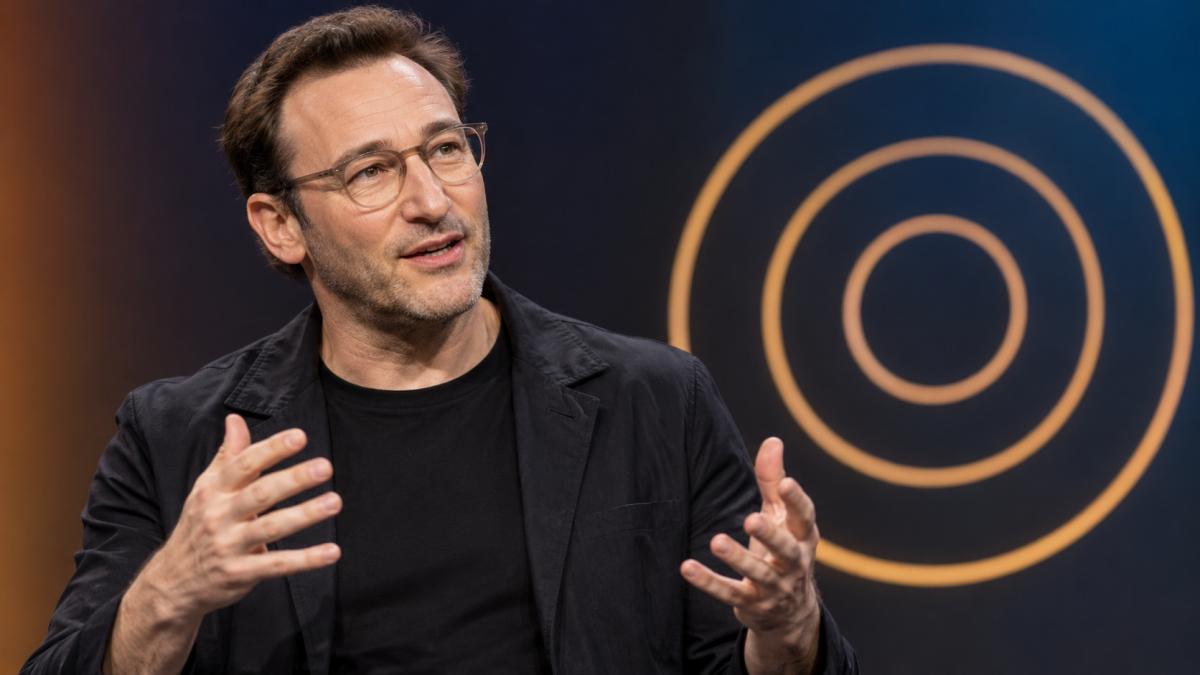
“People don’t buy what you do; they buy why you do it.”
Simon Sinek made this line central to his 2009 TED talk on how leaders inspire action. His “Golden Circle” begins with why—the purpose or belief behind an organization—then moves through how and what. Most companies communicate from the tangible product inward, he argued, while influential leaders begin with the cause that makes the work meaningful. The quotation is not a literal claim that features and price are irrelevant. It says that choices are also social and emotional, and that a credible purpose can help customers and employees understand what a product represents.
A useful why narrows decisions. It can guide which customers the business serves, which opportunities it refuses, how it designs the experience, and what conduct would violate the brand’s promise. The how consists of distinctive principles and capabilities; the what provides evidence that the promise can be delivered. When these layers agree, communication feels coherent because operations support the story. Employees can improvise within a shared intent, and customers can recognize a pattern across products rather than evaluating each message as an isolated advertising claim.
Purpose can become manipulation when it is invented after the fact or detached from performance. Customers still need quality, value, accessibility, and proof. A noble why does not excuse a weak product or harmful practice, and different buyers may choose for practical reasons alone. Leaders should also avoid turning belief into enforced conformity inside the company. The test is consistency: does the stated purpose explain costly decisions, survive inconvenience, and allow honest scrutiny? If not, inspirational language may reduce trust rather than create it.
The idea matters in crowded markets where competitors can copy features and generative tools can produce abundant promotional content. A specific, practiced purpose is harder to imitate because it is embedded in tradeoffs, culture, and customer experience. Teams can audit a product launch from why through how to what, checking whether the evidence supports the claim and whether people affected by the product would describe the purpose similarly. Sinek’s sentence gives marketing a deeper responsibility: make the belief legible, then make the business worthy of believing. Founders can test a why by presenting an uncomfortable tradeoff: a profitable customer whose request conflicts with the purpose, a feature that drives engagement through harm, or a supplier that lowers price by violating a stated principle. The decision matters more than the explanation written afterward. Repeated choices accumulate into proof, allowing customers and employees to distinguish a lived identity from a flexible story designed to fit whatever the company already wanted to do.
Sinek used the line in his 2009 TED talk while introducing the Golden Circle of why, how, and what.
He argued that inspiring organizations communicate purpose before describing products and features.
A credible why guides choices and gives customers and employees a coherent reason to connect with the work.
Purpose cannot substitute for product quality, fair conduct, practical value, or evidence that the organization lives its claim.
Copied features and abundant AI-generated promotion make operationally grounded identity more important.
Auditing why, how, and what together reveals whether a brand promise is real, differentiated, and responsibly delivered.
Explore more "Quotes of The Day"
Discover more notable quotes from influential voices across politics, science, business, technology, sports, and culture. Each quote offers insight into how ideas, beliefs, and decisions shape the world around us.