

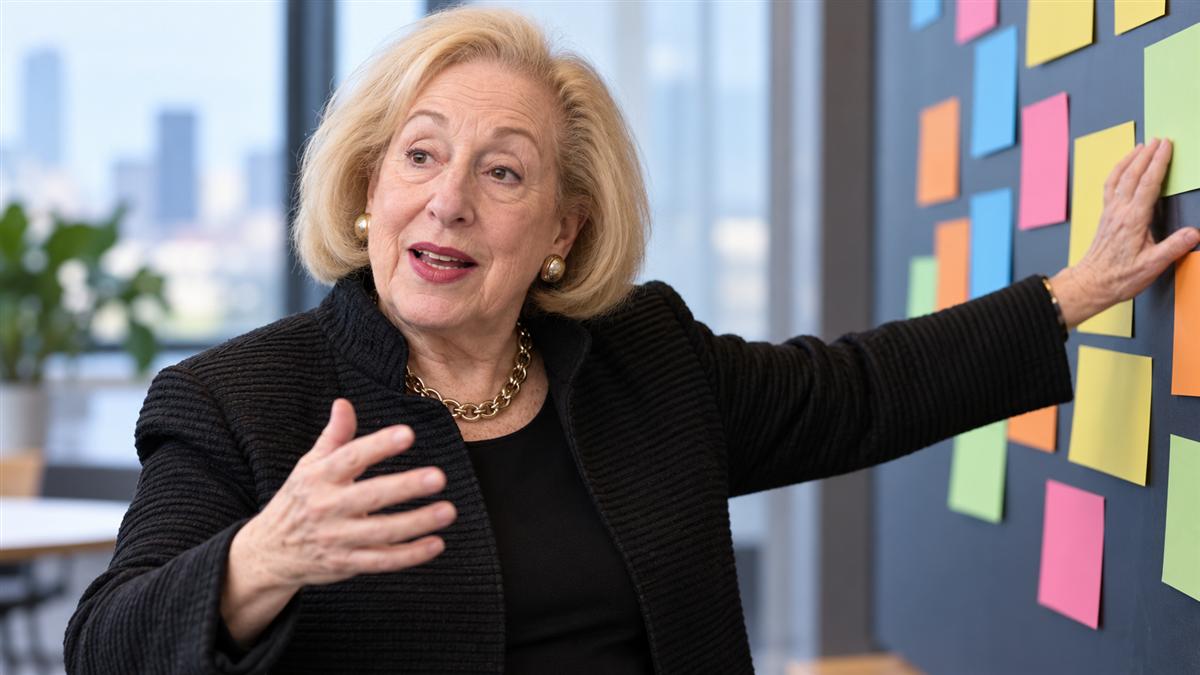
“Change is a threat when done to me, but an opportunity when done by me.”
Rosabeth Moss Kanter traced this insight to The Change Masters, her study of innovation-friendly and innovation-stifling organizations. The sentence explains why the same transition can produce resistance or energy depending on how agency is distributed. People do not oppose every new condition; they resist being treated as objects of someone else’s plan. Participation changes the experience because it gives people information, influence, and a chance to connect the change with problems they understand. Ownership is therefore not a communication trick added after the decision. It is part of how useful change is designed.
Leaders can create agency without pretending every choice is open. They should state the nonnegotiable outcome and constraints, then invite affected people to shape workflow, sequencing, measures, and safeguards. Early involvement surfaces local knowledge that senior planners lack and reveals consequences before they harden into resistance. Pilots give teams evidence and a role in interpretation. Managers can identify what employees will gain, what they may lose, and which concerns require mitigation. Honest boundaries make participation more credible than broad consultation followed by unexplained decisions.
Participation can become theater when leaders ask for input after commitments are irreversible. It can also burden employees with the work of implementing a change they did not choose while withholding authority or resources. Some urgent or legal decisions cannot wait for consensus, but leaders still owe explanation, support, and a path to raise implementation risks. Agency should be evaluated through which recommendations affected the plan, not by attendance at workshops. People need meaningful influence, not simply a chance to be heard.
The principle is central to workplace AI. Employees may experience automation as a threat to role, status, privacy, or employment even when leaders emphasize efficiency. Joint design can separate work people want relieved from judgment they want to preserve. Teams can establish limits on monitoring, define human review, plan reskilling, and share measured gains. Kanter’s sentence turns adoption into a governance question: are people being transformed by a system built elsewhere, or are they participants with real authority in shaping how technology changes their work? A change charter can divide decisions into fixed, influenceable, and locally owned categories. Affected teams see where participation will matter and which constraint comes from law, safety, finance, or an executive choice. Leaders publish how significant feedback changed the plan and explain proposals they declined. The practice reduces the cynicism created by vague invitations and gives local ownership a clear boundary within which people can improve the transition without waiting for permission at every step.
Kanter coined the idea in The Change Masters and later repeated it in her writing on leading change.
It connects resistance with a loss of agency and opportunity with meaningful participation in shaping the transition.
Leaders can define necessary outcomes while letting affected people shape workflow, sequence, evidence, and safeguards.
Consultation is not ownership when decisions are fixed, resources are missing, or employee input cannot alter the plan.
Employees may experience AI as a threat to judgment, privacy, identity, or continued employment.
Joint design, human-review rules, reskilling, and shared gains give people real influence over how their work changes.
Explore more "Quotes of The Day"
Discover more notable quotes from influential voices across politics, science, business, technology, sports, and culture. Each quote offers insight into how ideas, beliefs, and decisions shape the world around us.