

On This Day in Business: June 8, 1966
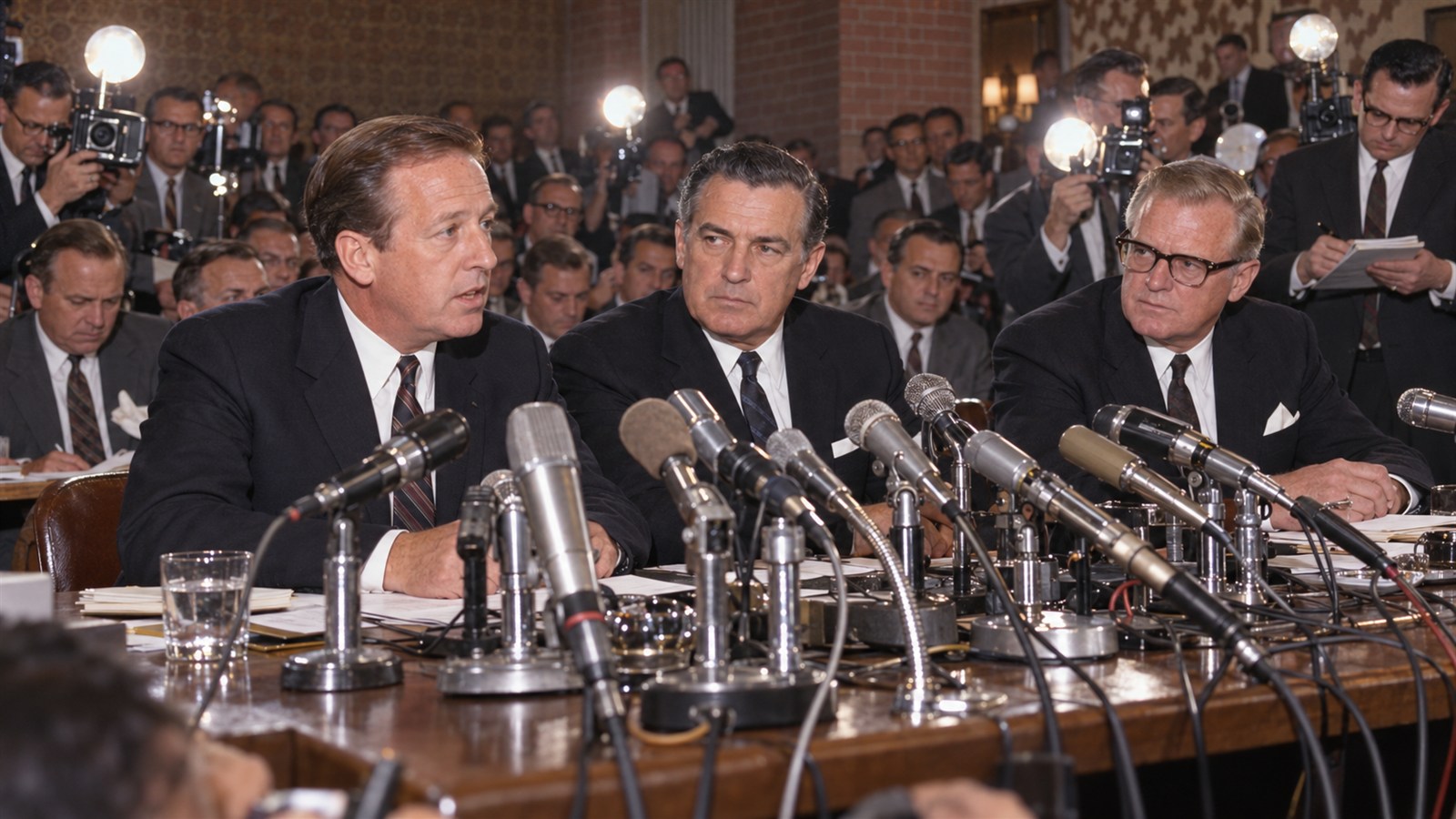
On June 8, 1966, the American Football League and National Football League announced an agreement to merge. The two leagues had competed for players, franchises, television audiences, and credibility since the AFL began play in 1960. Rising salaries and aggressive recruiting made the contest increasingly expensive for both sides. Behind the scenes, Kansas City Chiefs founder Lamar Hunt and Dallas Cowboys executive Tex Schramm explored a settlement with the support of NFL commissioner Pete Rozelle. The announced terms preserved existing teams, introduced a common player draft, created a championship game between league winners, and planned a fully integrated schedule for 1970.
The agreement converted rivalry into a larger shared product. Each league had distinct markets and media relationships, but neither benefited from bidding indefinitely against the other for the same scarce talent. A combined structure could stabilize labor costs, coordinate expansion, and sell advertisers a clearer national championship. The first AFL-NFL title game followed the 1966 season and later became known as the Super Bowl. Congress approved an antitrust exemption that allowed the arrangement to proceed. That legal step shows how sports leagues occupy an unusual business position: teams compete on the field, yet they must cooperate on rules, scheduling, broadcasting, and the integrity of the championship.
Integration did not mean the AFL disappeared without influence. Its teams, owners, players, and more open style helped reshape the combined league. A common draft ended the most visible bidding war, while shared television appeal expanded the value of every franchise. The merged organization could present regular seasons, playoffs, and the championship as one connected national story. Over time, broadcast rights became a central revenue engine and the Super Bowl grew into a premium advertising event. Competitive balance remained essential because spectators value uncertainty; a league that allows a few clubs to eliminate meaningful competition can damage the entertainment product it sells.
The merger matters because some competitors create more value by standardizing the arena than by fighting over its boundaries. The parties did not stop competing; they moved competition into a structure that audiences and business partners could understand. Successful consolidation required a transition schedule, governance, legal permission, and a visible shared event that demonstrated the benefit of combination. Those elements apply beyond sports to payment systems, transportation networks, and technical standards. Cooperation can enlarge a market when it removes duplicated conflict while preserving differentiation where customers care. The AFL-NFL agreement transformed a costly commercial war into the platform on which modern professional football was built.
The AFL and NFL had spent heavily competing for players, cities, television attention, and legitimacy since 1960.
Secret negotiations led by Lamar Hunt and Tex Schramm produced the agreement announced on June 8, 1966.
The terms preserved franchises while creating a common draft, interleague championship, and eventual integrated schedule.
Congress supplied antitrust permission, recognizing that rival teams must cooperate to produce a functioning league.
The championship evolved into the Super Bowl and television rights became a major source of shared franchise value.
The merger shows how competitors can standardize a market's structure while continuing to compete inside it.
Explore more of "On This Day ..."
Discover more events from the same date across news, politics, technology, sports, and other fields. Each link highlights significant moments that shaped history on different fronts.