

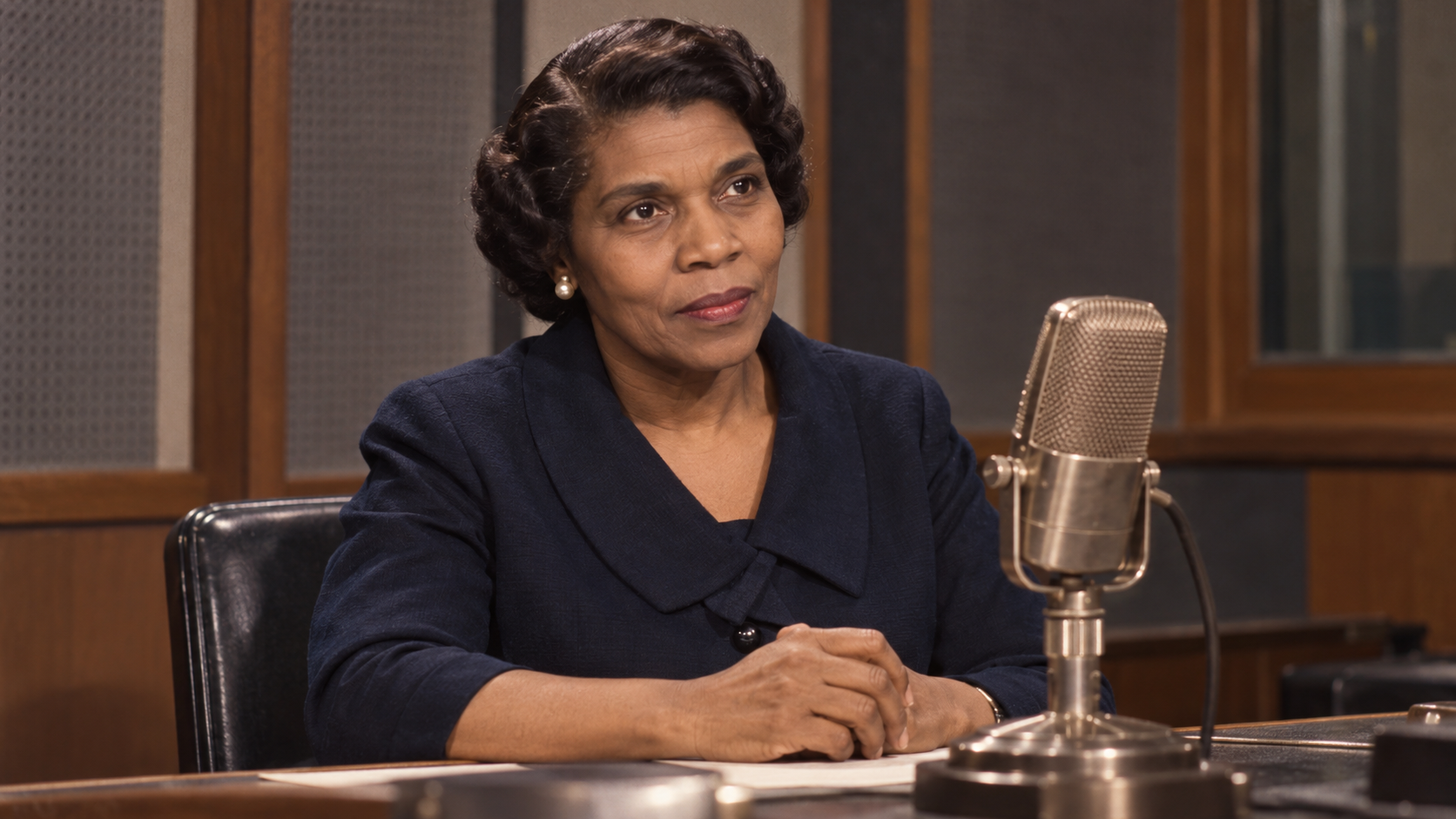
“Before you tell your life what you intend to do with it, listen for what it intends to do with you.”
Parker J. Palmer placed this sentence near the opening of Let Your Life Speak: Listening for the Voice of Vocation, published in 1999. The book grew from his effort to understand vocation after periods of work that looked admirable from the outside but did not fit his inner life. Palmer invokes an old Quaker saying—let your life speak—but reverses the usual direction of attention. Instead of beginning with a declaration about what a life should accomplish, he asks the reader to notice what experience, temperament, gifts, limits, and recurring desires have already been saying. The line is not tied to April 1; that date marks its place in this series.
The key word is “listen.” Palmer is not recommending passivity or waiting for a mystical answer. He is describing disciplined attention to evidence that is easy to dismiss when ambition, prestige, or other people’s expectations dominate a decision. A role can be worthy and still be wrong for a particular person. A setback can be painful and still reveal a mismatch. Read in that context, the quotation shifts vocation away from a heroic plan imposed on the future and toward a continuing conversation between intention and reality. Choice still matters, but it becomes more honest when it responds to the person who is actually living the life.
That argument needs limits. Circumstances do not always permit someone to leave a job, change a family obligation, or pursue a calling on demand. Poverty, discrimination, disability, caregiving, immigration status, and simple economic necessity can narrow the room for action. Nor is every strong feeling a reliable instruction. Palmer’s idea is most useful as inquiry, not as a guarantee that one authentic answer will appear. Listening can reveal competing responsibilities as readily as a clear direction, and practical commitments often require patience, compromise, and help from other people.
Its continuing value in everyday life is that it offers a better first question. Before making another impressive plan, a person can examine the moments that bring energy, the work that repeatedly drains it, the praise that feels strangely empty, and the obligations that remain meaningful even when they are hard. That inventory does not decide the future, but it improves the evidence used to decide. A modest practice follows from the quote: name one current choice, write down what recent experience has shown about it, and separate genuine desire from borrowed expectation. Listening, in Palmer’s sense, is how a plan becomes accountable to a real life rather than an imagined résumé.
Anderson used the image in a 1957 All India Radio interview with Tara Ali Baig in New Delhi while answering a question about racial prejudice and discrimination.
Her answer drew on a career shaped by both international acclaim and American segregation, including the 1939 Constitution Hall exclusion that preceded her Lincoln Memorial concert.
Holding someone down requires the enforcer to remain invested in restriction. Anderson argues that oppression wastes human capacity across a society while directly injuring the person denied freedom.
The harms are not symmetrical, and moral insight is not a substitute for changing discriminatory rules, institutions, or material conditions. The barrier still has to be removed.
The metaphor helps expose the ongoing labor behind exclusion. Biased systems survive through repeated decisions, tolerated habits, and institutions that keep assigning people unequal room to move.
A useful application is to identify one rule or routine that restricts access and ask what concrete change would let the affected people participate on equal terms.
Explore more "Quotes of The Day"
Continue exploring how writers, thinkers, artists, and advocates have described the choices that shape an everyday life.