

On This Day in Politics: April 2, 1917
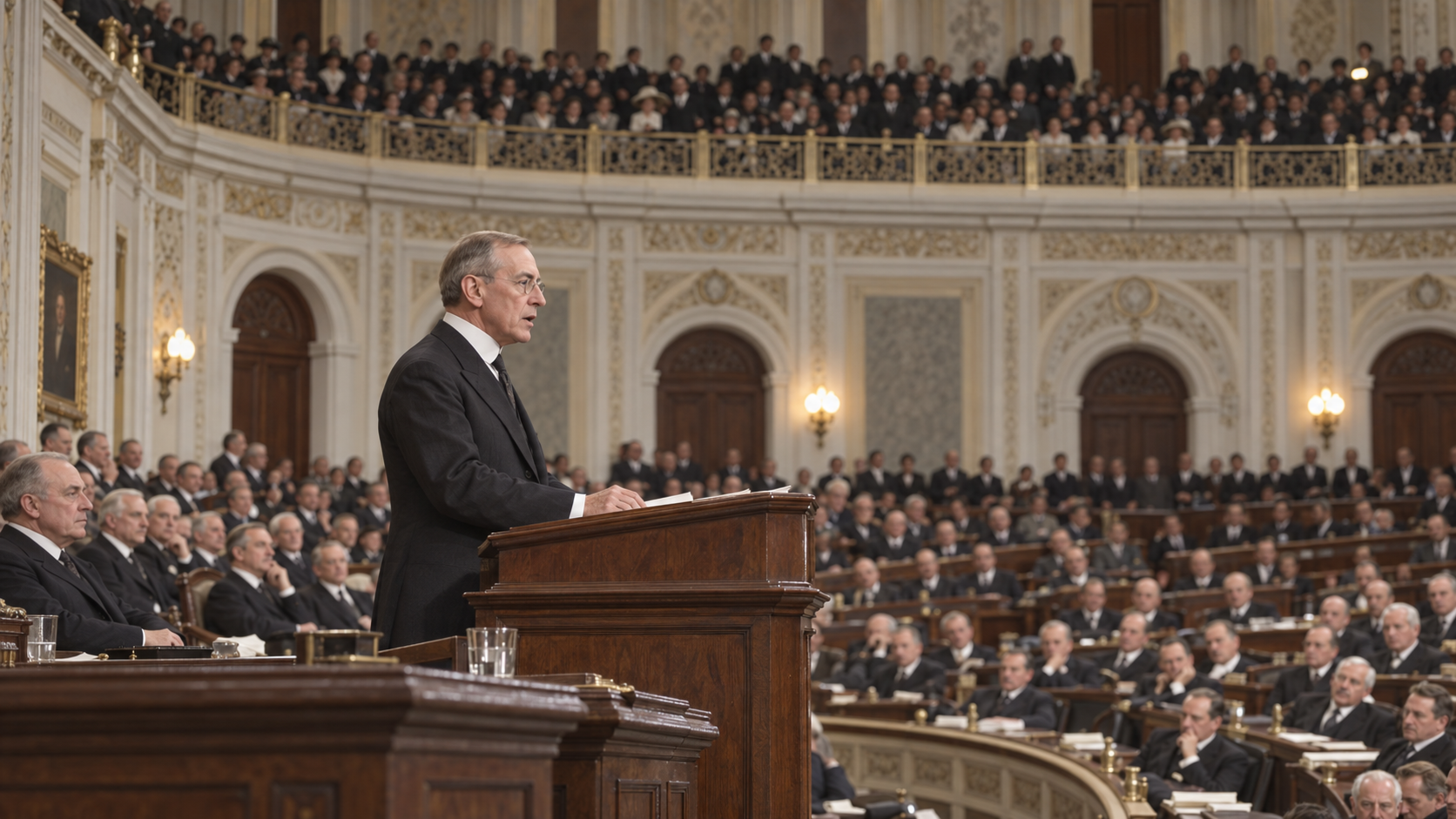
On April 2, 1917, President Woodrow Wilson appeared before a joint session of Congress in Washington and asked for a declaration of war against Germany. Speaking in the House chamber, he argued that German actions had made continued neutrality untenable. The address was a turning point in American foreign policy, but it was not itself the declaration of war. Congress still had to debate and approve a resolution, which Wilson signed on April 6. Keeping those dates separate makes clear the constitutional sequence: the president made his case, and the elected legislature exercised its authority to decide whether the United States would enter the conflict.
The United States had remained formally neutral since the European war began in 1914, although trade, financial ties, and public sympathies complicated that position. German submarine attacks had already caused serious diplomatic disputes and the deaths of American citizens. Germany’s renewed unrestricted submarine campaign in February 1917 intensified the crisis. Another shock came with publication of the Zimmermann Telegram, which proposed German support for Mexico in a possible war against the United States. These developments undermined Wilson’s earlier effort to protect American shipping while staying outside the fighting. By the beginning of April, he had concluded that armed neutrality could no longer provide an adequate response.
The speech followed days of difficult preparation. Wilson worked through outlines and drafts before completing the address on a typewriter. He reached the Capitol on the evening of April 2 to find the chamber and galleries crowded. In his argument, attacks on neutral vessels were part of a wider challenge to international rights and security. He framed American participation around political liberty and a future international order, rather than territorial conquest. The language would become closely associated with his wartime leadership. Yet it remained an argument for a costly policy decision, requiring military preparation, public financing, and the commitment of American lives on a scale the country had not yet experienced.
Congressional approval was overwhelming but not unanimous. The Senate voted for the war resolution on April 4, and the House approved it early on April 6 after extended debate. Opponents included lawmakers who questioned intervention or opposed war on principle. Wilson signed the resolution later that day, making the formal decision complete. The distinction between applause for the address and the subsequent legislative votes matters: political persuasion and legal authority were separate stages. April 2 marks the moment Wilson publicly committed his administration to seeking war. His appeal helped transform a prolonged neutrality crisis into direct American involvement in a conflict whose military demands and diplomatic consequences would reach far beyond that evening.
Wilson addressed both houses of Congress in the House chamber.
His April 2 request preceded the formal declaration by four days.
Unrestricted submarine warfare had intensified the dispute over neutral shipping.
The Zimmermann Telegram added a separate diplomatic shock.
Congress approved the resolution after debate, with dissenting votes in both chambers.
The speech connected immediate security concerns to Wilson’s wider vision of international order.
Explore more of "On This Day ..."
Discover more events from the same date across news, politics, technology, sports, and other fields. Each link highlights significant moments that shaped history on different fronts.