

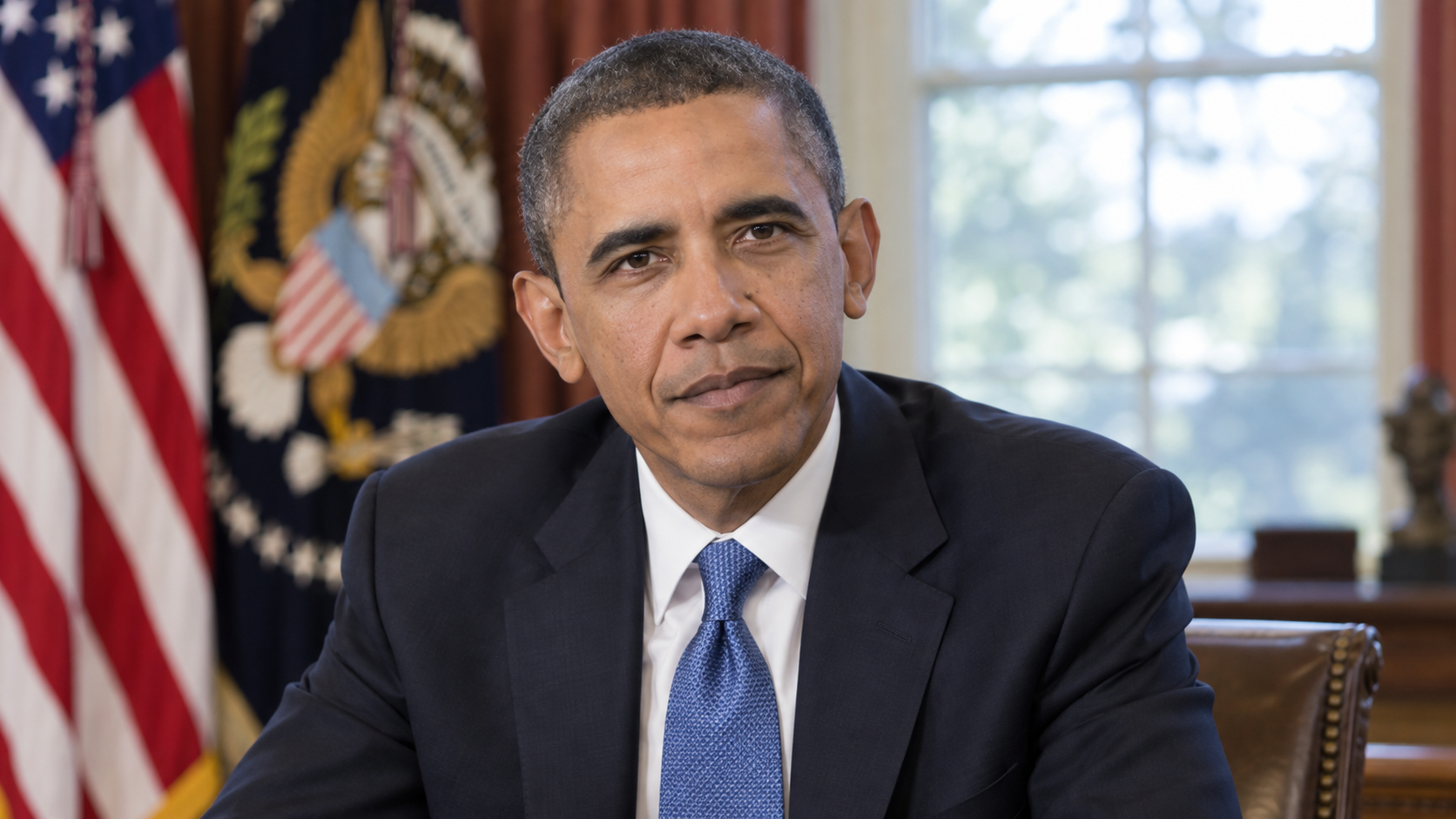
“But war itself is never glorious, and we must never trumpet it as such.”
Barack Obama spoke this sentence while accepting the Nobel Peace Prize in Oslo on December 10, 2009. He was an American president serving as commander in chief during ongoing wars, a circumstance he acknowledged directly. His address considered how force might sometimes be used in pursuit of security while remaining bound by moral and legal restraints. Immediately before the featured sentence, he distinguished the courage and sacrifice of soldiers from the tragedy promised by war itself. The opening word But carries that distinction into the quotation. Admiration for a person’s devotion, in his argument, should not become a celebration of the destructive conditions in which that devotion is tested.
The sentence concerns the way political communities speak about war as well as the decisions they make. Describing sacrifice can honor people without making combat appear attractive or cleansing. That difference matters because language shapes which costs enter public discussion. A triumphant account may emphasize victory while leaving injury, bereavement, displacement, or the difficulty of returning to ordinary life outside the frame. Obama’s statement asks readers to hold two judgments at once: an individual may display extraordinary courage, while the event demanding that courage remains a human disaster. Keeping those judgments distinct permits respect without turning respect into an argument that war should be admired for its own sake.
The broader speech did not advocate an absolute rejection of force. Obama defended the possibility of justified military action and argued that nations should still follow rules and standards of conduct. The quotation therefore should not be presented as a denial of everything else in his address. Nor does a leader’s recognition of tragedy establish that every decision made under that leader met the stated standard. Words and conduct require separate assessment. Readers can use the sentence to examine an administration’s reasoning, but they should also consider evidence about particular actions and consequences. The useful constraint is that a claim of necessity cannot erase the obligation to describe the human costs honestly.
This distinction has a practical role in democratic scrutiny. Citizens asked to support a military policy deserve an explanation of its objective, expected consequences, limits, and alternatives. They can also ask how officials will assess whether the policy achieved what was promised. Those questions do not diminish service; they help make the responsibilities of political leadership visible. An account that relies mainly on stirring imagery may leave the hardest choices unexamined. Obama’s quotation offers a standard for resisting that simplification. It keeps the person who serves worthy of consideration while insisting that the public description of war retain its losses, uncertainty, and demands for accountability, even when a government believes the decision to use force is justified.
Obama accepted the Nobel Peace Prize in Oslo on December 10, 2009, while serving as president.
The sentence immediately follows his distinction between soldiers’ courage and war’s human tragedy.
The address allowed for justified force and defended limits on its use.
Recognizing tragedy does not establish that a leader’s actual policies satisfied the principles expressed in a speech.
Respect for service can coexist with careful scrutiny of military policy.
Citizens can ask about objectives, alternatives, anticipated harm, and how officials will evaluate their decisions.
Explore more "Quotes of The Day"
Discover more notable quotes from influential voices across politics, science, business, technology, sports, and culture. Each quote offers insight into how ideas, beliefs, and decisions shape the world around us.