

On This Day in Politics: April 27, 1994
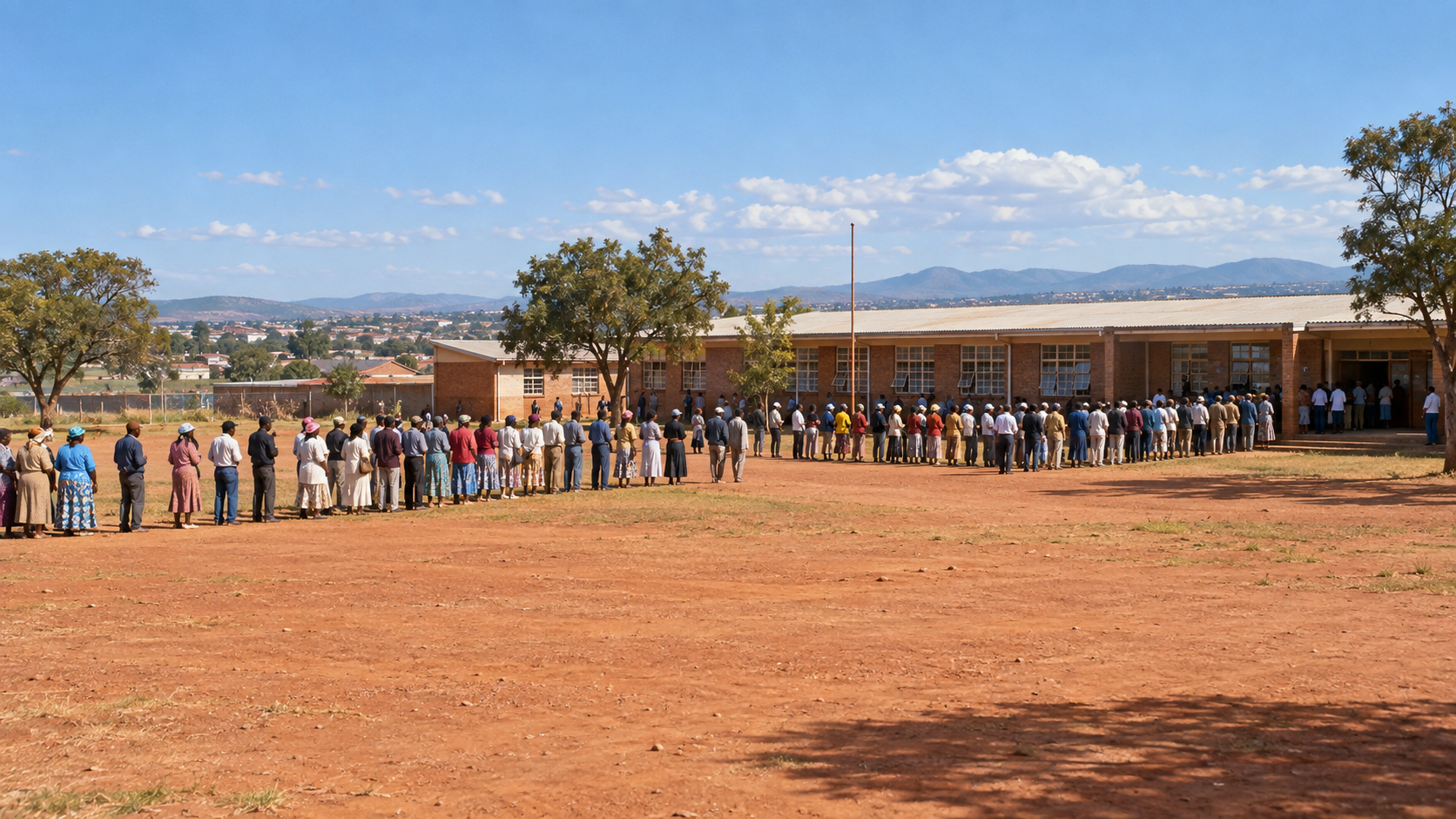
On April 27, 1994, South Africans queued to vote in the country’s first nonracial democratic national election. The date became the defining public anniversary of an election conducted over several days and the transition from apartheid to representative government. Millions of Black South Africans exercised a national voting right that the previous system had denied them. Nelson Mandela cast his first vote at Ohlange High School in Inanda, KwaZulu-Natal. The election was larger than any individual’s participation: it changed who could authorize a government and made a common electorate, rather than racial exclusion, the foundation of national political power.
The vote followed negotiations over the transition and preparations carried out under difficult conditions. The Independent Electoral Commission had only months to organize polling for a population in which many people had never voted. Election infrastructure was uneven, and the commission faced administrative problems as well as attempts to disrupt the process. The Inkatha Freedom Party agreed to participate late in the preparations. Voter education, security arrangements, and the willingness of competing political organizations to take part all mattered. The long queues remembered from those days represented both the scale of newly available participation and the practical challenge of turning a negotiated political settlement into an election.
The interim constitution supplied a legal framework for this change. It established a common South African citizenship and provided voting rights for eligible adults aged eighteen and older, without the former racial division of the national electorate. It also protected political choices, participation in political parties, and the secrecy of the ballot. Equality before the law and protection against unfair discrimination were included among its fundamental rights. These provisions connected electoral participation to a broader constitutional settlement. They were particularly significant after a system in which government power had depended on denying the majority an equal place in national political institutions and separating rights according to racial classification.
The African National Congress won the election, and Mandela was inaugurated as president on May 10, 1994. A Government of National Unity took office as the country began the work of changing its institutions and addressing apartheid’s social and economic inheritance. The election did not remove poverty, unequal resources, or the effects of past exclusion overnight. It did establish a new basis for pursuing those questions through representative government and constitutional politics. April 27 is commemorated as Freedom Day because of that foundational shift. Its significance rests in the extension of political citizenship to the whole electorate and the replacement of minority rule with a government chosen through a democratic national vote.
April 27 is the defining anniversary of South Africa’s first nonracial democratic national election.
Voting took place over several days in April 1994.
Nelson Mandela voted at Ohlange High School in Inanda.
The interim constitution established a common citizenship and protected political rights.
The ANC won the election; Mandela was inaugurated on May 10.
Freedom Day commemorates the transition from apartheid to democratic government.
Explore more of "On This Day ..."
Discover more events from the same date across news, politics, technology, sports, and other fields. Each link highlights significant moments that shaped history on different fronts.