

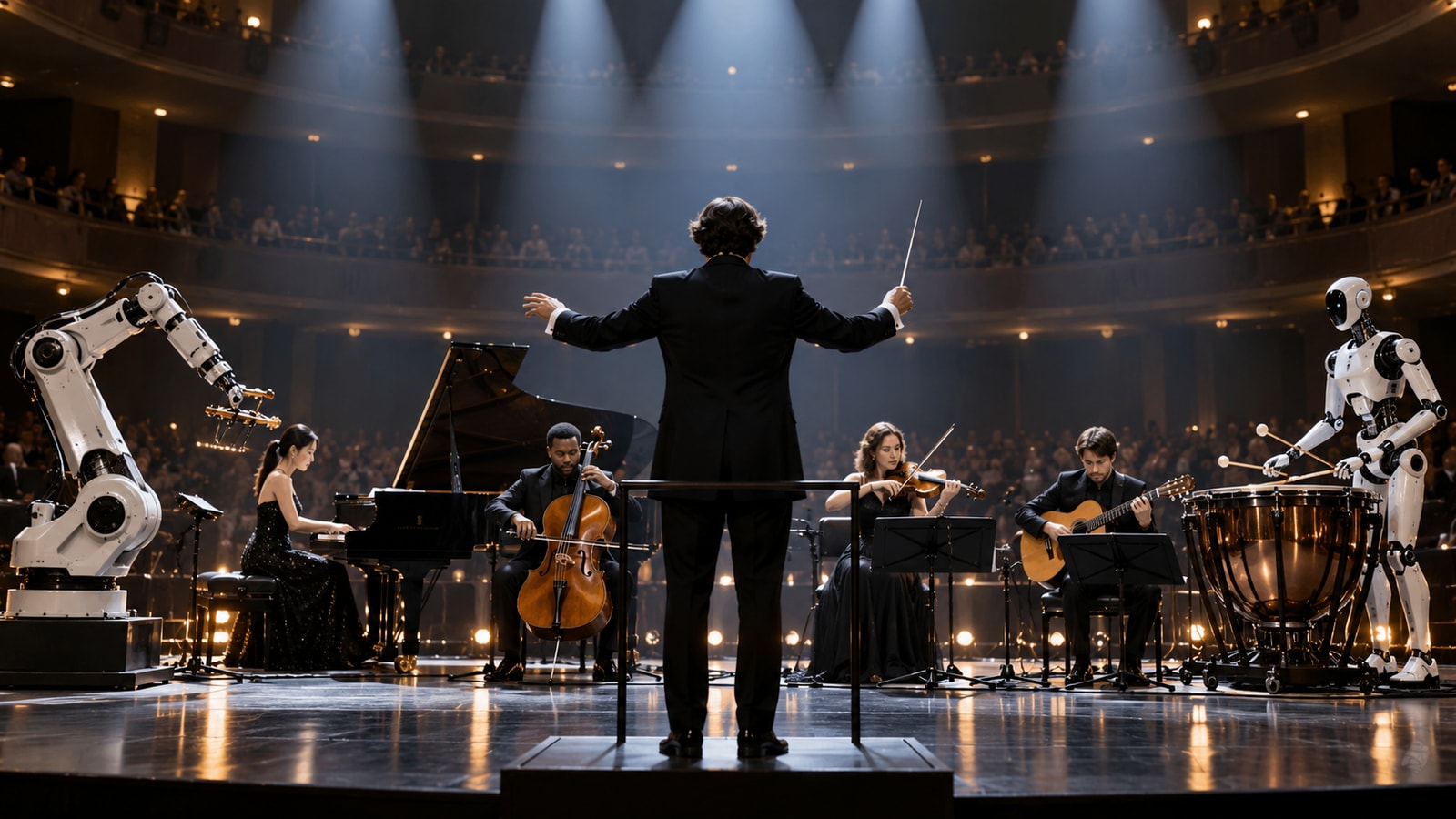
AI Orchestrator Explainer
An AI orchestrator is software that coordinates the components of an AI workflow. It may choose a model, route a request to a tool, pass results between steps, maintain state, and decide what should happen next.
The orchestrator can implement fixed business rules or let a model recommend a route. It often manages prompts, credentials, retries, timeouts, queues, memory, observability, and approval gates around the model’s decisions.
This layer allows different specialists to work as one system. A small model can classify a request, a retriever can find evidence, a larger model can draft an answer, and a validator can check the output.
Central coordination also creates a critical dependency. A routing mistake, stale state, or overly broad credential can affect the whole workflow. Good designs isolate privileges, record transitions, tolerate partial failures, and provide deterministic fallback paths.
An AI orchestrator coordinates models, tools, data, and workflow state so each part of a larger automated process runs at the right time.
Key terms include orchestrator, routing, workflow, state, model, tool, retry, approval gate and observability.
The orchestrator selects components, passes data, and records workflow state.
Operational controls such as retries, timeouts, credentials, and approvals live at this boundary.
A mistaken route or stale state can propagate across many otherwise reliable components.
Isolation, logs, fallbacks, and narrow permissions make orchestration safer to operate.
Explore more "Explainers"
Discover additional explainers across politics, science, business, technology, and other fields. Each explainer breaks down a complex idea into clear, everyday language—helping you better understand how major concepts, systems, and debates shape the world around us.