

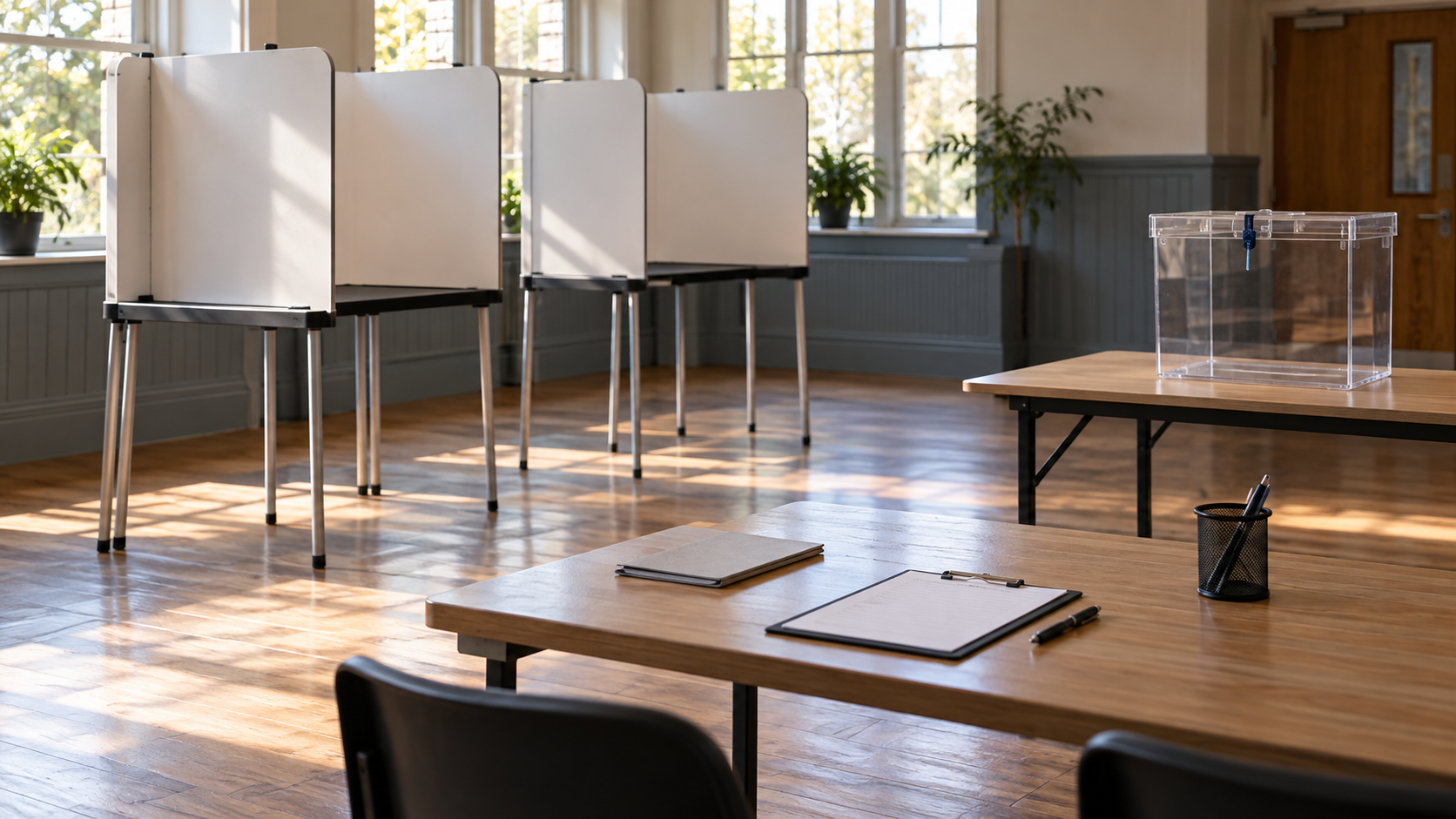
Election Observation Explainer
Election observation is the systematic assessment of an electoral process by people or organizations acting under a defined mandate. Observers gather information, evaluate it against relevant standards, and report their findings. The role is different from administering the election, campaigning for a candidate, or deciding legal disputes. Credible observation requires impartiality, a clear method, and careful use of evidence. It can help the public understand how an election was conducted, but an observer’s presence does not automatically guarantee that every part of the process was sound.
An election is more than the hours when ballots are cast. Observation can examine the legal framework, registration, election administration, campaigning, media conditions, voting, counting, tabulation, and complaints. The OSCE’s ODIHR uses a methodology that considers the period before, during, and after election day. Longer-term work can identify issues that a brief polling-station visit would miss. The scope of a particular mission still matters: some observers assess many aspects, while others have a narrower role, limited access, or a shorter deployment.
Imagine observers visiting a sample of polling places and reviewing how results are compiled. Their reports may identify consistent procedures, practical obstacles, or specific irregularities. An observation in one location cannot automatically be treated as a finding about every precinct in the country. Conclusions need to reflect the evidence and methodology used. Observers generally document and report rather than direct election officials or interfere with voting. They also need to protect the distinction between observed facts, allegations requiring further checking, and broader analytical judgments about the process.
Observation can support recommendations for improving future elections, but the report’s authority depends on the organization’s mandate and the domestic legal system. Election results are certified and disputes resolved by the institutions legally responsible for those tasks, not simply by an observer issuing a favorable or critical statement. Readers should examine who observed, what access they had, which stages they assessed, and what limitations they disclosed. That approach makes a report more useful than treating it as a blanket endorsement or rejection. It encourages attention to evidence and reforms rather than partisan claims about the observers.
Observers assess and report under a mandate. They do not automatically administer the election or decide which candidate wins.
Longer-term observation can examine registration, campaigning, media conditions, administration, and complaints as well as voting and counting.
Impartiality and consistent methods are central to credibility. An observer should not use the role to campaign for a participant.
Findings must reflect the evidence and scope of access. One polling-place observation does not establish nationwide performance.
Separate directly observed facts from unverified allegations and analytical conclusions. Reports should explain important limitations.
Recommendations can support future improvements. Certification and legal dispute resolution remain with the responsible institutions.
Explore more "Explainers"
Discover additional explainers across politics, science, business, technology, and other fields. Each explainer breaks down a complex idea into clear, everyday language—helping you better understand how major concepts, systems, and debates shape the world around us.