

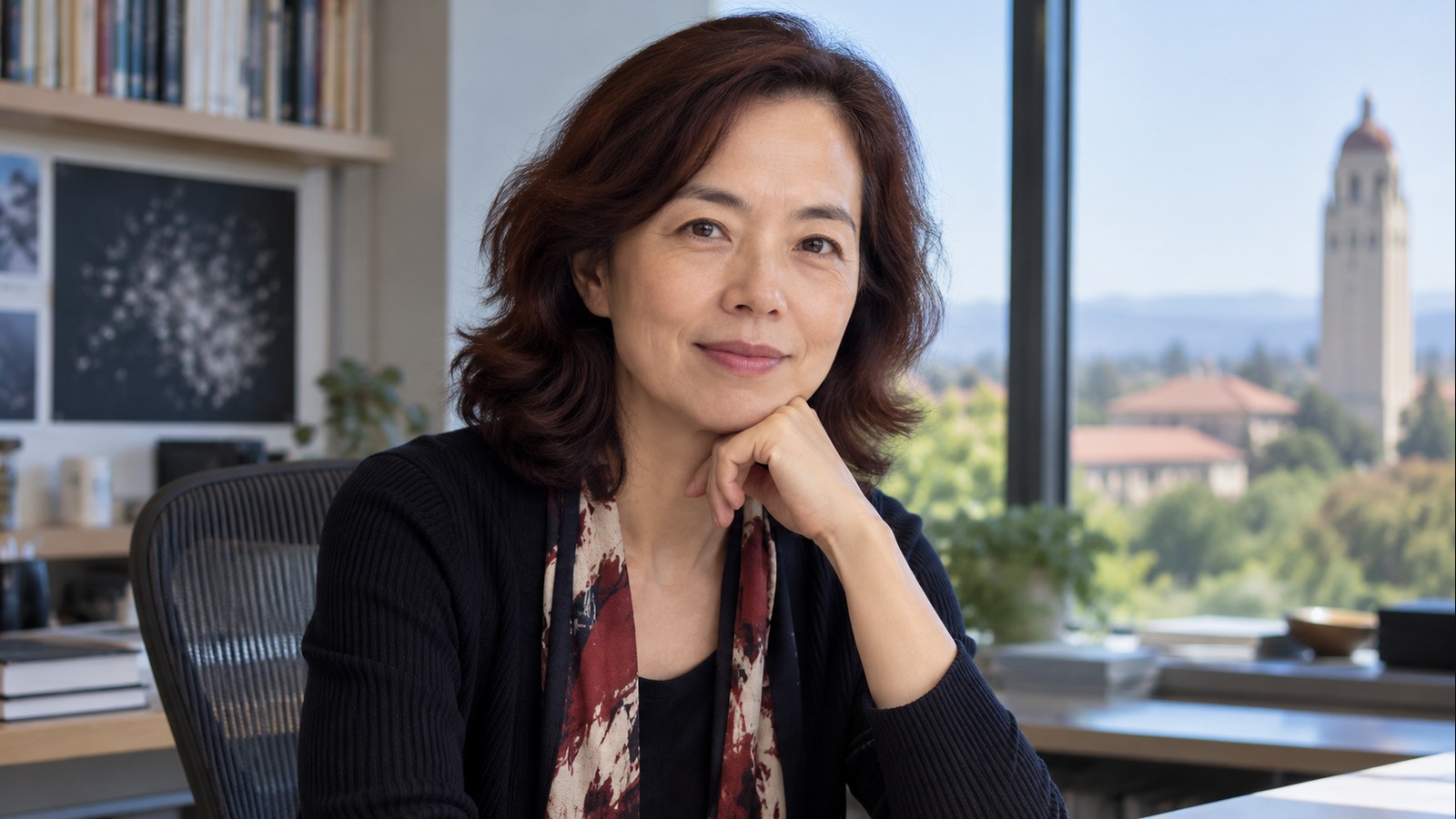
“There is nothing artificial about artificial intelligence.”
Li uses the line to emphasize that AI depends on human labor, human data, physical infrastructure, institutional choices, and consequences in people's lives. Reading Fei-Fei Li in the setting of “The Worlds I See” changes how the quotation lands. The year 2024 identifies the documented source, while April 16 is only this series' calendar position. That distinction protects Fei-Fei Li's words from a familiar problem: a compact sentence can travel farther than the reasoning that supported it. The original audience faced particular tools, constraints, and expectations; later readers bring different ones. Returning to “The Worlds I See” therefore does more than verify authorship. It clarifies the problem under discussion, shows what the speaker actually claimed, and marks where modern interpretation begins.
Calling a system artificial must not hide the real people and resources that make it possible or absorb its costs. For a present-day team, Fei-Fei Li's idea becomes useful when it changes a decision instead of decorating a slide. A reviewer might use it to question an interface, architecture, dataset, workflow, or governance rule. The next step is to name the desired outcome, identify the people who experience the system, and choose evidence that could disprove the team's preferred story. This approach treats “The Worlds I See” as an argument to examine rather than authority to borrow. It also turns a memorable line into a practical test: what would builders do differently if they took its central insight seriously?
The phrase does not deny the technical distinctiveness of machine learning; it redirects attention toward the human systems surrounding the model. That qualification keeps Fei-Fei Li's sentence from becoming a universal slogan. Technical results live inside organizations, markets, laws, and communities, where a narrow benchmark rarely settles the whole question. A responsible reading of “The Worlds I See” makes assumptions visible, records tradeoffs, and asks who gains convenience and who inherits risk. It also leaves room for contrary evidence and affected people to change the conclusion. Preserving limits is not hostility to innovation; it connects ambition to accountability and makes correction possible before an elegant idea hardens into an expensive or harmful system.
Training-data work, energy use, content moderation, creative rights, and deployment decisions make AI's material and social foundations visible. The enduring value of Fei-Fei Li's quotation is therefore a method, not a formula. Individuals can use it to sharpen the next question, while organizations can use it to assign ownership, improve measurement, and explain why a design deserves trust. The strongest modern application of “The Worlds I See” combines historical accuracy with present evidence: understand the source, test the claim in its new environment, disclose important limits, and revise the implementation when real conditions disagree. Admiration for a famous technologist is optional; what matters is whether the idea helps people make technology more understandable, dependable, useful, and answerable to those it affects.
Fei-Fei Li used the line in “The Worlds I See” in 2024. Li uses the line to emphasize that AI depends on human labor, human data, physical infrastructure, institutional choices, and consequences in people's lives.
The setting separates the documented argument from later retellings and prevents the calendar date in this series from being mistaken for the date of origin.
Calling a system artificial must not hide the real people and resources that make it possible or absorb its costs.
The phrase does not deny the technical distinctiveness of machine learning; it redirects attention toward the human systems surrounding the model.
Training-data work, energy use, content moderation, creative rights, and deployment decisions make AI's material and social foundations visible.
The strongest present-day use is practical: connect the principle to evidence, state the tradeoffs, and keep responsibility visible when technology changes people's choices or opportunities.
Explore more "Quotes of The Day"
Discover more notable quotes from influential voices across politics, science, business, technology, sports, and culture. Each quote offers insight into how ideas, beliefs, and decisions shape the world around us.