

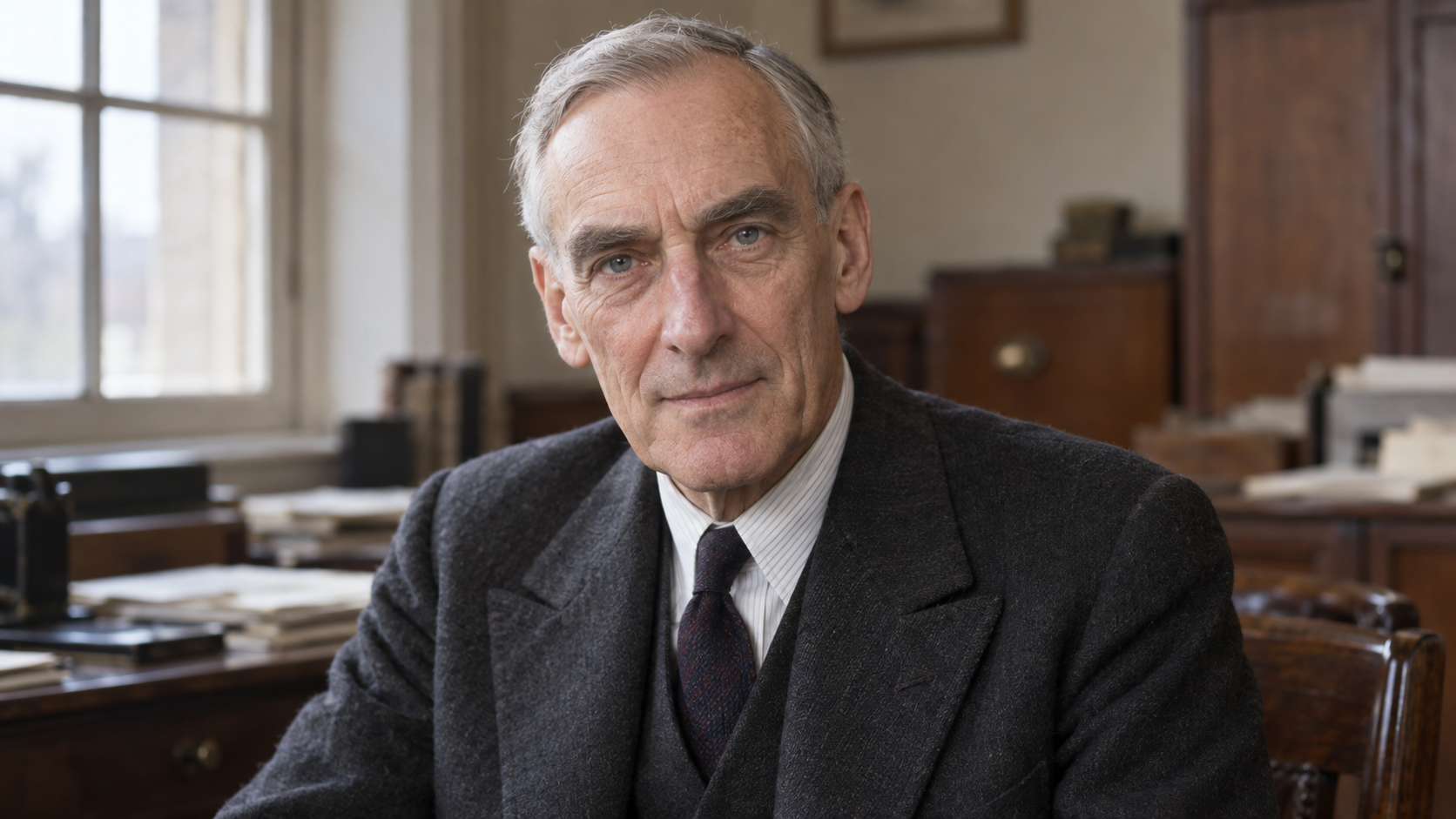
“We cannot build peace on empty stomachs.”
John Boyd Orr spoke these words in the British House of Commons on May 31, 1946, during a debate on the world food situation. The nutritionist and member for the Combined Scottish Universities urged support for international action addressing severe shortages after the Second World War. His closing observation linked food with the possibility of lasting peace. The wording here follows the original parliamentary record, rather than the later version repeated by other speakers. Orr was making a practical argument about cooperation: diplomatic intentions needed to be matched by arrangements that helped people meet their most basic needs.
An agreement between governments can stop fighting without immediately improving the conditions in which families live. Hunger narrows choices, consumes attention, and makes promises of recovery difficult to trust. That does not mean that deprivation automatically produces conflict, or that well-fed societies are incapable of violence. The quotation instead asks whether a political settlement has addressed a central source of human insecurity. It places the ordinary experience of survival within a discussion often dominated by borders, institutions, and leaders. A peace that remains only on paper may have little meaning for someone unable to obtain tomorrow’s meal.
Food security also reveals how closely public welfare depends on administration. Production matters, but so do distribution, purchasing power, storage, transport, and the fairness of access. A community can have food nearby while many households cannot reach or afford it. Addressing those gaps requires more than a generous declaration. Officials need credible information about needs, workable responsibilities, and methods for identifying failures. International cooperation becomes useful when it connects resources with those who require them, while allowing the people affected to influence how assistance is organized. The task is sustained provision rather than a brief display of concern. Regular reporting and avenues for complaints can expose neglected areas and unequal treatment. Such feedback helps turn an initial emergency response into provision that remains dependable after public attention moves elsewhere.
For readers considering politics today, Orr’s sentence provides a way to examine the substance of promises about stability. What conditions would allow people to live securely after a crisis, and which institutions are responsible for creating them? The answer cannot be reduced to a slogan or a single policy. It may require patient coordination across agriculture, trade, local services, and public accountability. The quotation keeps human needs within that larger conversation. It reminds us that the credibility of peaceful cooperation depends partly on whether its benefits reach daily life, including the households least able to wait for improvements.
Orr delivered the sentence during the Commons debate on the world food situation on May 31, 1946. The parliamentary record places it at the close of his appeal for support of international food arrangements.
The original wording begins with We cannot. Later speakers, including Norman Borlaug, repeated a variant beginning with You can't, while attributing the underlying thought to Orr.
The warning connects peace with material conditions that make recovery possible. It asks whether public commitments address the needs people face outside negotiating rooms.
It should not be read as a claim that hunger alone explains every conflict. The useful connection is between deprivation, insecurity, and the responsibilities of a political settlement.
A practical response examines access as well as total food supply. Transport, income, reliable information, and fair administration all affect whether assistance reaches households.
The quotation invites scrutiny of promises about stability by asking what they deliver in everyday life. A durable arrangement requires institutions capable of maintaining that delivery over time.
Explore more "Quotes of The Day"
Discover more notable quotes from influential voices across politics, science, business, technology, sports, and culture. Each quote offers insight into how ideas, beliefs, and decisions shape the world around us.