

On This Day in Tech: April 8, 1991
On April 8, 1991, in Menlo Park, California, Sun engineers began intensive development of the project that would eventually produce the Java programming language. The people and institutions at the center of the milestone were James Gosling, Mike Sheridan, Patrick Naughton, and Sun Microsystems’ Green Project team. The date matters because it captures a specific moment when an idea, device, network, or business decision moved beyond preparation and became visible in practice. It also offers a useful boundary between what was achieved that day and improvements that came later. Contemporary technology stories are often compressed into a single breakthrough, but this event depended on earlier experiments, skilled work, and an environment ready to test or adopt something new.
The essential background began with a practical problem. consumer electronics companies wanted interactive devices, yet processors and operating systems varied widely and made software portability difficult. The central technology can be summarized clearly: the team designed an object-oriented language and virtual-machine approach intended to let compiled programs run on different hardware platforms. Engineers still had to balance performance, cost, reliability, compatibility, and the needs of real users. Those constraints explain why the milestone was not inevitable and why apparently small design or organizational choices carried long consequences. Earlier work had supplied important pieces, but the participants had to combine them into a system or decision that could operate outside a narrow demonstration.
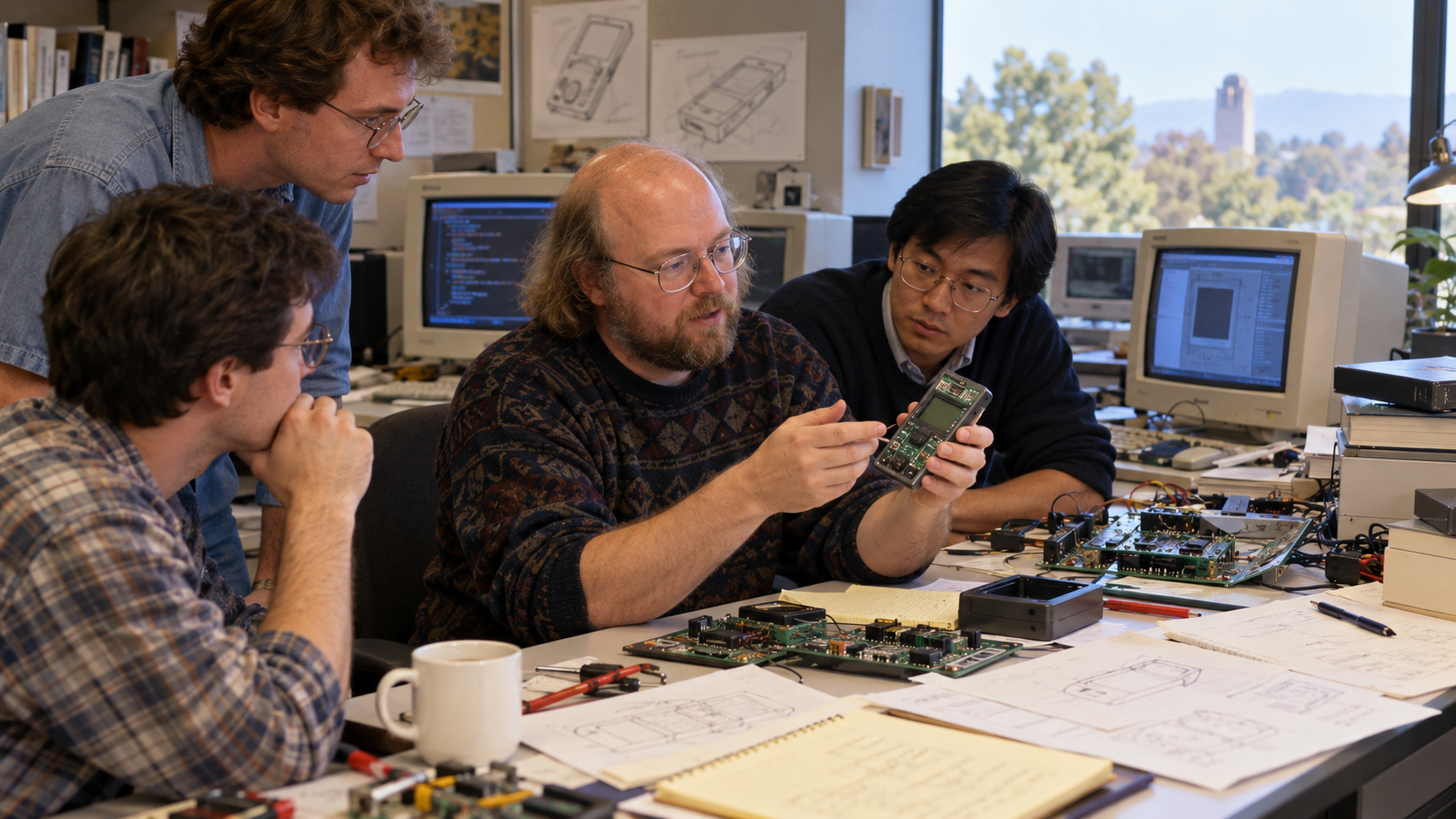
On the anniversary itself, work accelerated on a language first called Oak and on prototype networked consumer devices. the effort created the technical foundation for software that could move across systems more easily than conventional native applications. The immediate result was important without being the final form of the technology. the original consumer-device market did not develop as expected, and early prototypes were not commercial successes. That qualification is essential: technical progress rarely moves in a straight line, and publicity can run ahead of evidence. Even so, the event supplied a concrete result that researchers, companies, governments, or consumers could evaluate. It changed expectations about what the technology could do and gave later teams a tested point of departure rather than only a proposal.
The longer legacy reached beyond the original equipment and participants. retargeting the technology to the web produced Java, whose portability and managed runtime became influential in enterprise software, mobile devices, education, and server systems. Later products often looked very different, but they inherited methods, standards, markets, or lessons established around this milestone. The story also shows that technology develops through networks of people: inventors and programmers matter, but so do manufacturers, institutions, users, and rules that determine access. Remembering the exact date helps preserve that complexity. It allows the achievement of April 8, 1991, to stand on its own while keeping subsequent successes, limitations, and reinterpretations in the proper chronology.
The key setting was Menlo Park, California. The central participants were James Gosling, Mike Sheridan, Patrick Naughton, and Sun Microsystems’ Green Project team, working within the technical and institutional limits of 1991.
consumer electronics companies wanted interactive devices, yet processors and operating systems varied widely and made software portability difficult. That unresolved need created the conditions for the anniversary milestone.
the team designed an object-oriented language and virtual-machine approach intended to let compiled programs run on different hardware platforms. On the day itself, work accelerated on a language first called Oak and on prototype networked consumer devices.
the effort created the technical foundation for software that could move across systems more easily than conventional native applications. Still, the original consumer-device market did not develop as expected, and early prototypes were not commercial successes.
retargeting the technology to the web produced Java, whose portability and managed runtime became influential in enterprise software, mobile devices, education, and server systems.
The milestone remains useful because it separates a verified accomplishment on April 8, 1991, from improvements and consequences that unfolded later.
Explore more of "On This Day ..."
Discover more events from the same date across news, politics, technology, sports, and other fields. Each link highlights significant moments that shaped history on different fronts.