

Dental Plaque Explainer
Dental plaque is a sticky film containing bacteria that forms on teeth. It is often difficult to see, which makes appearance alone a poor guide to whether teeth are clean. Plaque develops repeatedly as part of the mouth’s microbial environment, rather than appearing only after a particular food. If it remains, bacteria and their products can contribute to tooth decay and gum inflammation. Understanding plaque as an ongoing film explains why regular cleaning matters even when a mouth looks healthy.
Tooth decay and gum disease arise through related but distinct processes. Bacteria associated with decay use sugars and starches and produce acids that remove minerals from the tooth surface. Repeated acid exposure can overwhelm repair and eventually produce a cavity. At the gumline, plaque can trigger inflammation, making gums swollen or prone to bleeding. Disease affecting the tissues that support teeth can become more serious over time. These outcomes are not inevitable after one missed cleaning, but persistent buildup increases the burden on oral health.
Plaque is different from tartar, also called calculus. Plaque that mineralizes becomes a harder deposit that ordinary brushing does not remove effectively. A dentist or dental hygienist removes tartar with professional instruments. Brushing and cleaning between teeth address the softer film and help limit further buildup; they do not make professional removal unnecessary once substantial calculus has formed. Fluoride has another role by helping protect tooth enamel against decay. The different measures work together rather than replacing each other.
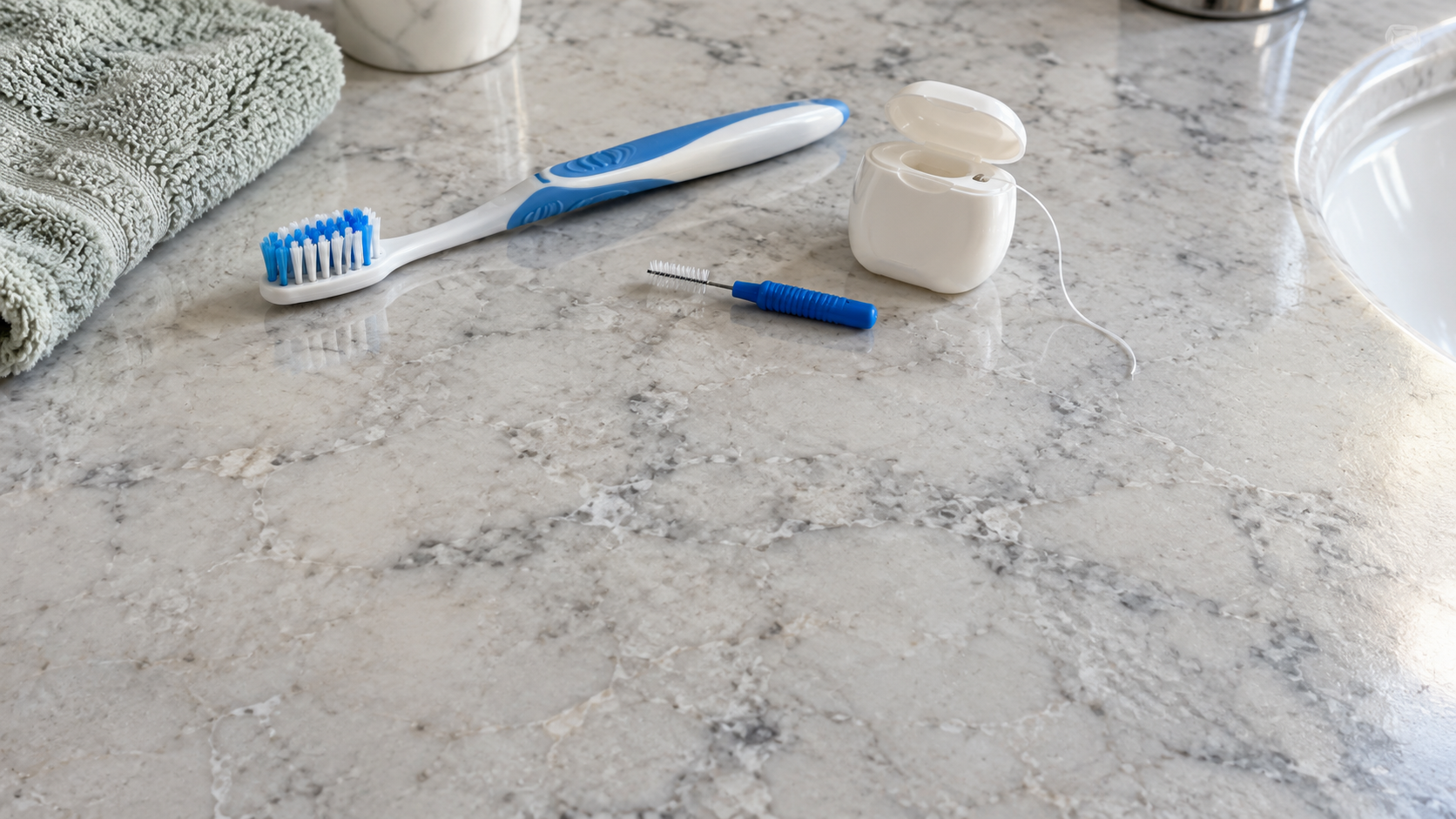
A practical oral-care plan considers the whole mouth, including spaces that a toothbrush does not easily reach. Suitable interdental tools may differ according to tooth spacing, dental work, and dexterity. Dental professionals can demonstrate a method that fits the person instead of recommending forceful scrubbing. Persistent bleeding, pain, loose teeth, or other changes deserve assessment. Recognizing the difference between a film, a hardened deposit, and disease makes it easier to understand what home care can accomplish and what needs professional attention.
The mouth normally contains many microorganisms, and oral health does not require making it sterile. Plaque becomes problematic through its organization, location, and persistence. A thin film can remain in areas that are difficult to reach even when visible food has been cleared away. This is why removing food particles and disrupting plaque are related tasks but not exactly the same.
The balance between mineral loss and repair helps explain early decay. Saliva and fluoride support the enamel, while repeated acid exposure pulls minerals away. A cavity represents a later structural problem rather than the first moment of disease. The absence of pain does not establish that decay is absent, making routine dental assessment useful alongside daily cleaning.
Brushing covers the accessible surfaces of teeth, while floss or other interdental tools reach additional spaces. People with limited hand movement may benefit from different handles or devices. The choice should be practical enough to use consistently. Gentle technique aims to remove the film without repeatedly damaging the gums, so more pressure is not automatically a better method.
Disclosing products temporarily color plaque to show areas that were missed. They are a teaching tool, not a diagnosis of all oral disease. A dental professional can use the information to improve technique and identify difficult spots. This kind of feedback connects an invisible film with a specific cleaning adjustment instead of relying on the general instruction to brush better.
Tartar may collect above or below the gumline. Its removal requires appropriate professional care rather than scraping at home with improvised tools. A cleaning appointment can also include assessment of gum health and advice tailored to the findings. The amount of visible tartar alone does not explain every symptom or establish how much support around a tooth has been affected.
Oral health is influenced by medicines, dry mouth, smoking, diabetes, dental appliances, and other circumstances. Plaque control remains important, but a complete assessment considers these factors too. A plan that fits the person’s needs is more useful than treating gum symptoms as a simple measure of effort. Continuing symptoms should lead to advice rather than blame or increasingly aggressive cleaning.
Explore more "Explainers"
Discover additional explainers across politics, science, business, technology, and other fields. Each explainer breaks down a complex idea into clear, everyday language—helping you better understand how major concepts, systems, and debates shape the world around us.