

Dialysis Explainer
Dialysis is a treatment that removes waste products and extra fluid when the kidneys cannot do enough of that work. It can also help manage the balance of important minerals in the blood. The treatment replaces part of kidney function, but it does not cure kidney failure or perform every job healthy kidneys carry out. Some people need it temporarily during a serious illness; others require continuing treatment. The reason for kidney failure and the overall medical situation shape that difference.
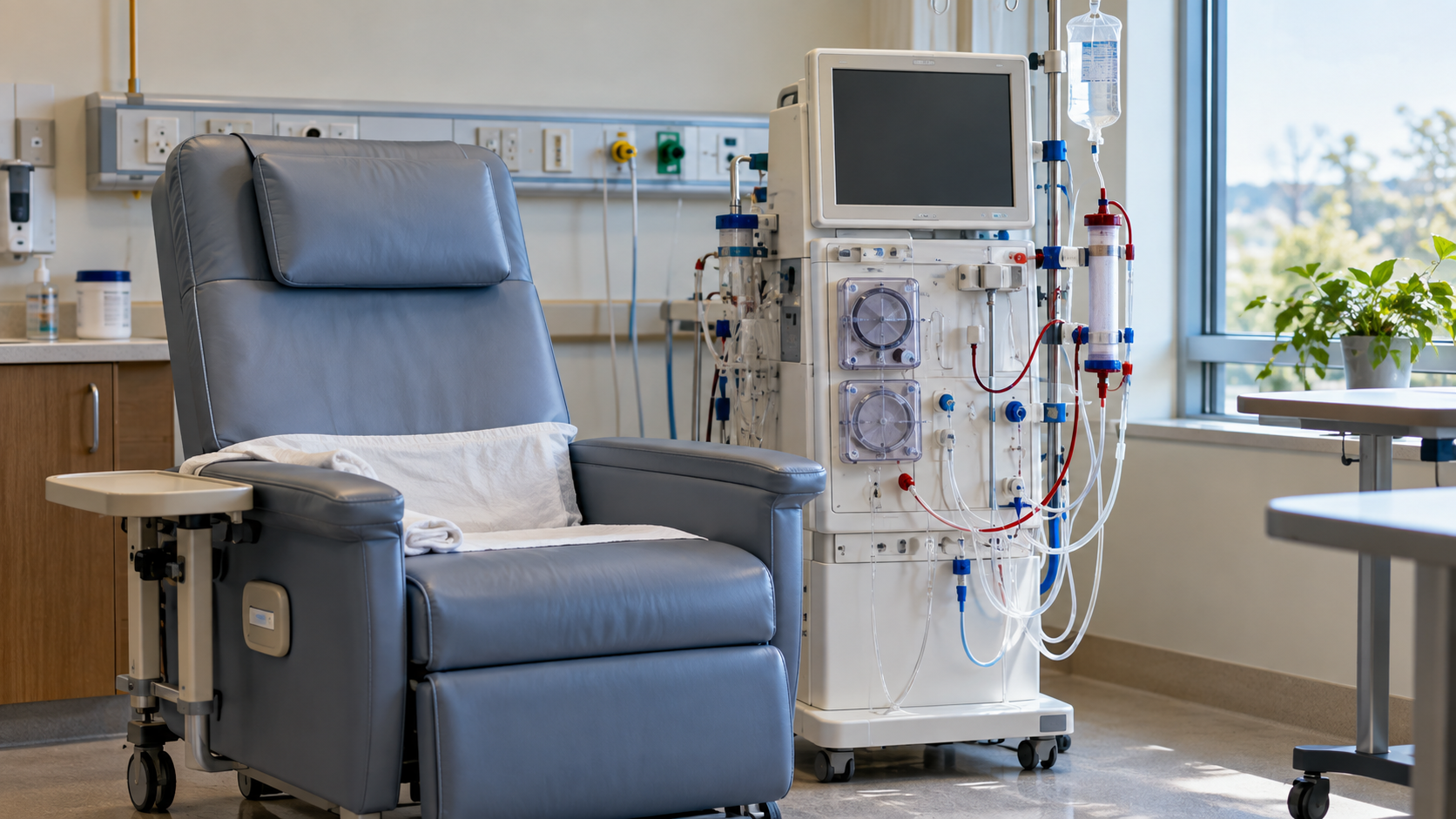
In hemodialysis, blood travels through an external filter called a dialyzer and returns to the body. A specially prepared dialysis solution helps remove selected wastes across the filter membrane, while the machine manages blood flow and fluid removal. A suitable vascular access allows blood to leave and return safely. Treatment can take place at a center or, for selected people with training and support, at home. The prescribed schedule is designed around clinical needs and should not be treated as a universal formula.
Peritoneal dialysis uses the lining inside the abdomen as the filtering surface. Dialysis solution enters through a catheter, remains for a prescribed period, and is then drained and replaced. Exchanges may be done manually or with a machine, often at home. This method keeps the blood inside the body while wastes and extra fluid move into the solution. It requires training, supplies, and careful infection prevention. Choosing between methods involves medical suitability, practical circumstances, and the person’s preferences.
Ongoing care includes monitoring symptoms, blood tests, fluid balance, access sites, nutrition, and medicines. Dialysis can make a substantial difference to survival and daily well-being while also placing demands on time and routine. Complications can include infections, access problems, and changes in blood pressure. Kidney transplantation or other approaches may be discussed when appropriate. Understanding dialysis as one component of a broader kidney-care plan explains why the machine or exchange process alone cannot determine whether treatment is working well.
Healthy kidneys filter blood continuously and also help regulate blood pressure and other body processes. Dialysis provides selected functions on a prescribed schedule rather than reproducing the entire organ. This distinction explains why medicines and dietary guidance may remain necessary. A successful treatment session does not mean that all the consequences of kidney failure have been resolved.
The need for dialysis is assessed through more than one laboratory number. Symptoms, fluid overload, mineral disturbances, remaining kidney function, and the underlying illness can all matter. A care team explains why treatment is being considered and what alternatives apply. General information should help frame that conversation rather than supply a threshold for deciding independently to start or stop treatment.
The dialyzer separates blood from dialysis solution through a membrane. Waste transfer and fluid removal are controlled processes, not simply draining blood and replacing it with fresh blood. The machine monitors aspects of the treatment, and trained staff or trained home users manage the procedure. Vascular access must be protected because it is central to safe, repeated treatment.
Peritoneal dialysis depends on a catheter and a sequence of exchanges. The solution collects wastes and extra fluid during its time in the abdomen. Keeping connections and technique clean helps reduce infection risk. Home treatment can offer flexibility, but it also requires storage space, training, and reliable support. A different location does not make treatment less medically important.
Monitoring asks whether enough waste and fluid are being removed and whether the person can tolerate the plan. Symptoms, tests, and practical difficulties can lead to adjustments. Fatigue or cramps should be discussed rather than automatically accepted as unavoidable. The team can consider treatment factors alongside other causes, because not every symptom in a person receiving dialysis comes from dialysis itself.
Decisions about kidney failure treatment should reflect realistic options, likely outcomes, and the person’s priorities. Family involvement and practical support can help, but the individual’s preferences remain important. Questions about work, travel, transport, and home support are part of planning. Good care addresses everyday life alongside laboratory targets and provides a clear route for reporting problems.
Explore more "Explainers"
Discover additional explainers across politics, science, business, technology, and other fields. Each explainer breaks down a complex idea into clear, everyday language—helping you better understand how major concepts, systems, and debates shape the world around us.