

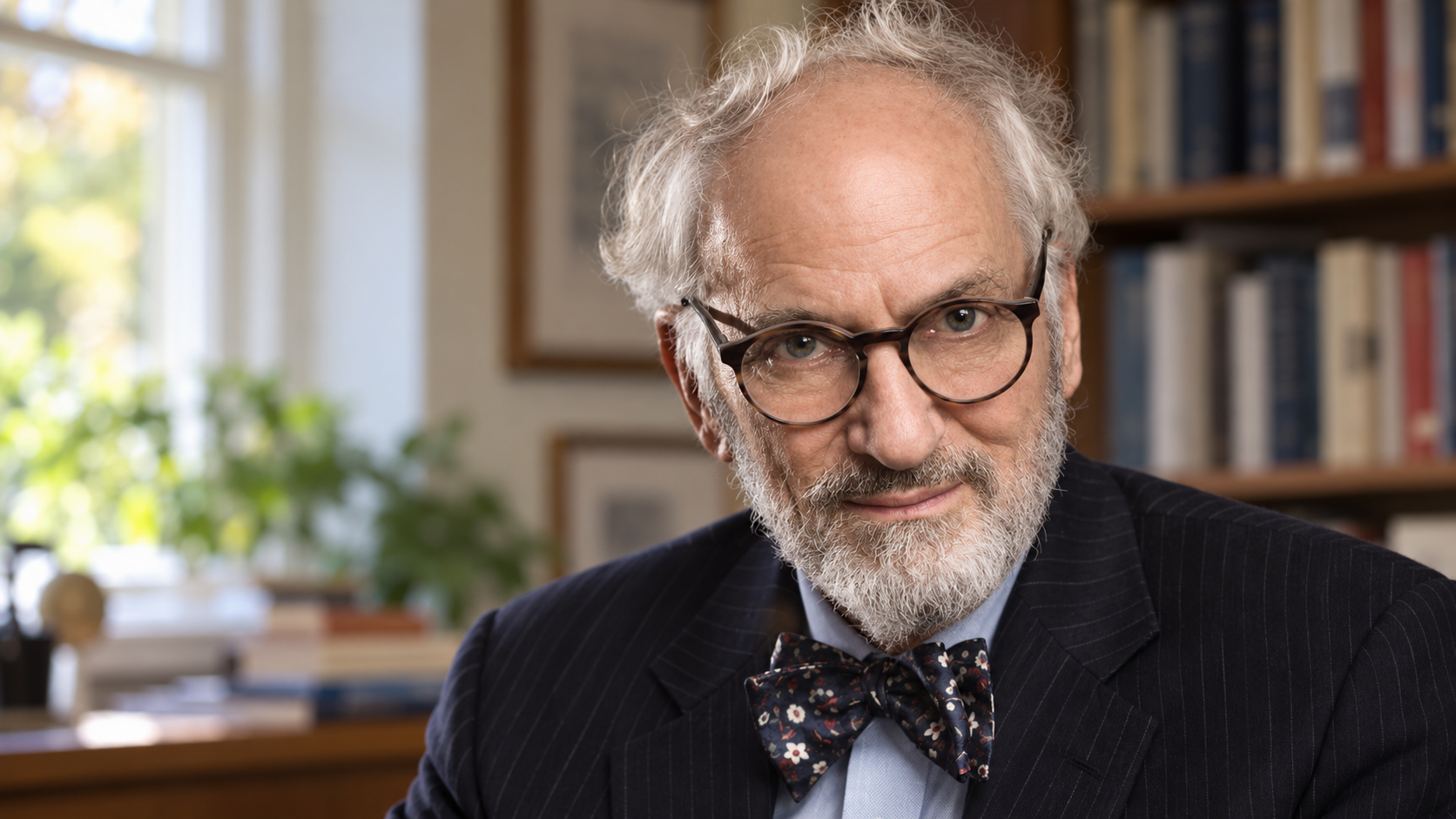
“The obligation of physicians to relieve human suffering stretches back into antiquity.”
Eric J. Cassell opens his 1982 New England Journal of Medicine article with this statement of obligation. The Nature of Suffering and the Goals of Medicine asks what physicians are trying to relieve when they encounter suffering, and why that task requires attention beyond a physical abnormality. The selected sentence is also carried into Cassell’s later book on the subject. Its reference to antiquity establishes a longstanding purpose for medicine, but the article’s central work is conceptual: distinguishing the experience of a person from a narrow description of disease. Pain can be important to that experience without accounting for all of it. Illness may also threaten a person’s identity, relationships, plans, or sense of being able to continue a familiar life. Cassell’s discussion makes those threats relevant to medical understanding. The opening obligation therefore leads toward a difficult question about practice, rather than an easy claim that medicine already knows how to remove every form of distress.
A clinician may successfully address a symptom while discovering that something else continues to trouble the patient. The concern might involve uncertainty about the future, a feared loss of independence, or the meaning of a change in the body. Such examples illustrate the breadth of the question Cassell raises; they are not diagnostic rules for inferring another person’s experience. Asking the individual what feels threatened can provide information that an observer cannot reliably supply from outside. This approach also makes room for differences between people facing similar conditions. A change that one person manages comfortably may carry a very different significance for another. Recognizing variation between patients does not bring all human difficulties within medical authority or make a physician responsible for solving every social or existential problem. It can help clarify what needs attention, where appropriate collaboration is possible, and what remains uncertain. Relief begins with a more accurate account of what the person is actually enduring.
Cassell’s sentence holds a demanding purpose together with the limits of professional power. An obligation to try to relieve suffering does not ensure that every experience of suffering can be ended, and it should not support promises that care cannot fulfill. Sometimes the responsible response includes symptom treatment, clearer communication, practical assistance, or referral to people with different expertise. Sometimes it includes recognizing that an important loss cannot be reversed. The quality of that response depends on listening without imposing a preferred explanation or assuming that visible composure means the person has no distress. For readers receiving care, the quotation can help name concerns that deserve discussion even when they do not fit neatly within a symptom checklist. For professionals, it asks whether the goal of an encounter has become narrower than the needs of its recipient. Cassell’s contribution is to make the person’s experience part of medicine’s understanding of its own purpose. That purpose remains meaningful when pursued with skill, candor, and respect for what the patient says matters.
The sentence opens Cassell’s 1982 article The Nature of Suffering and the Goals of Medicine.
His later book develops the same inquiry into the relationship between suffering, persons, and medical care.
Cassell’s framework asks what an illness threatens in a person’s life, including concerns that physical findings alone may not capture.
Pain and suffering can overlap without being interchangeable. Understanding an individual’s experience requires inquiry.
Care may need cooperation among professionals and services when a person’s concerns extend beyond symptom treatment.
The obligation is to pursue appropriate relief honestly; it cannot justify a promise that every loss or distress can be removed.
Explore more "Quotes of The Day"
Discover more notable quotes from influential voices across politics, science, business, technology, sports, and culture. Each quote offers insight into how ideas, beliefs, and decisions shape the world around us.