

On This Day in Health: March 29, 2023
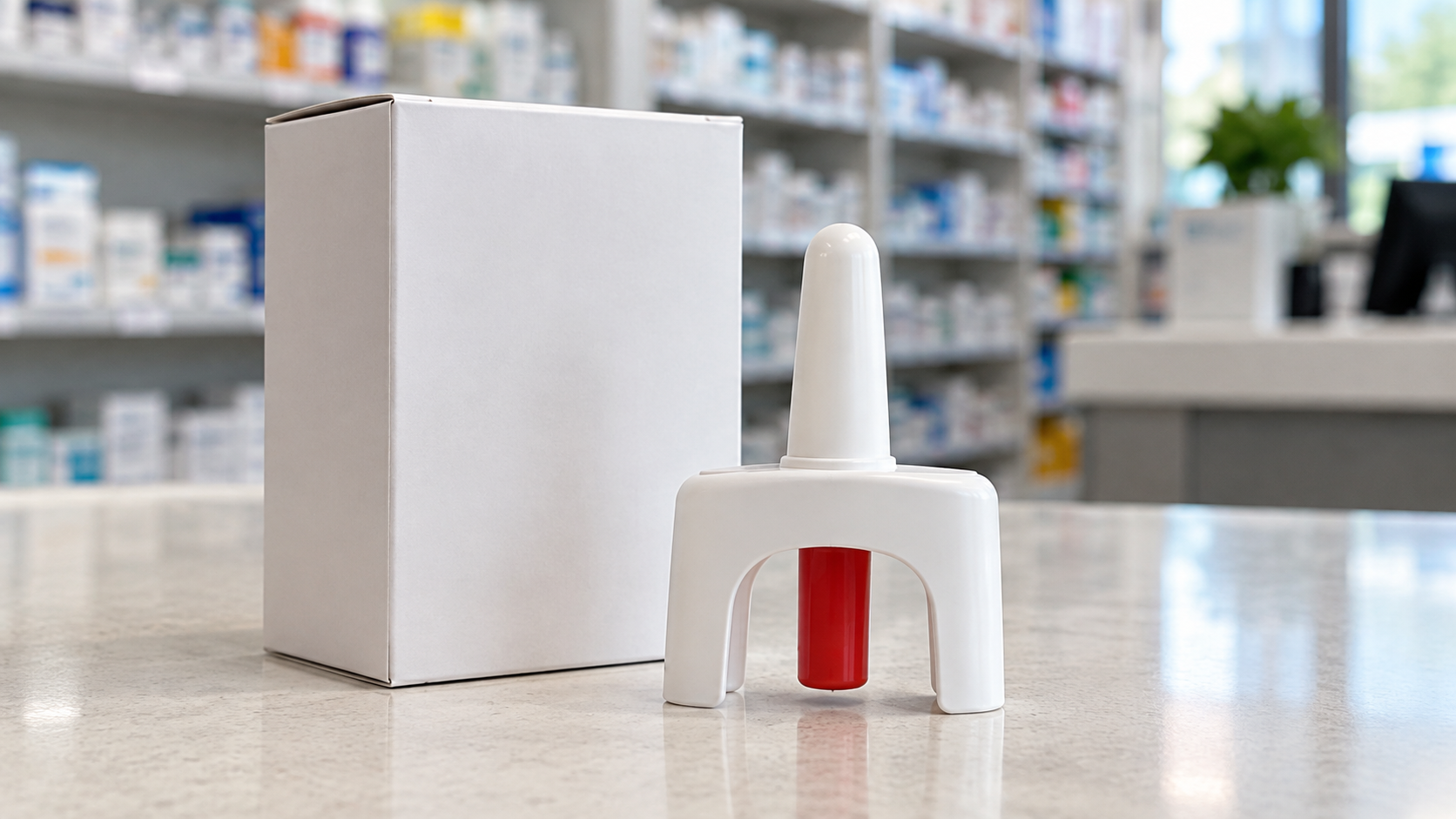
On March 29, 2023, the United States Food and Drug Administration approved Narcan four-milligram naloxone nasal spray for over-the-counter use. It was the first naloxone product authorized for use without a prescription. The decision changed the regulatory status of an established emergency medicine rather than introducing naloxone for the first time. It opened a route toward direct consumer sales in a wider range of settings. The anniversary marks the authorization itself; manufacturing, packaging, and distribution changes still had to occur before the nonprescription product reached retail shelves.
Naloxone rapidly reverses the effects of an opioid overdose and had already been used in medical and community settings. The nasal spray was designed as a practical delivery form for an emergency response. The change to nonprescription status concerned access to that medicine and the ability of consumers to understand its labeling and use. The manufacturer reported that the switch retained the established formulation, device design, and four-milligram strength. Other naloxone formulations and strengths were not automatically converted to over-the-counter status by this single decision. The scope of the authorization was specific.
The review drew on evidence relevant to nonprescription use, including human-factors research, a revised Drug Facts label, and experience accumulated after the prescription product entered use. That process illustrates a different kind of drug milestone from a first approval based on a new efficacy trial. Regulators needed to assess whether an existing product could move into a setting where consumers might obtain it directly. Clear instructions mattered because the medicine was intended for an urgent situation. The decision also came amid a severe overdose crisis, giving questions of availability and practical access particular public-health significance.
Over-the-counter authorization could broaden the places where the spray was sold, but it did not guarantee immediate availability, a particular price, or the removal of every access barrier. Those issues depended on implementation after the approval. The product also remained an emergency treatment rather than a substitute for emergency medical care. March 29 is therefore a milestone in the delivery of an existing medicine to the public, with regulation, labeling, supply, and awareness all part of the story. It shows that health progress can involve changing how people obtain a treatment as well as discovering a new one. The lasting significance lies in the formal opening of a nonprescription pathway during an urgent public-health challenge, followed by the practical work needed to make that pathway useful in communities.
The approval came on March 29, 2023. It was the first authorization for a nonprescription naloxone product.
The decision concerned the four-milligram nasal spray. Other formulations did not automatically receive the same status.
Naloxone was already an established emergency medicine. The milestone changed access to an existing product.
Human-factors evidence and labeling supported the switch. Consumer understanding mattered in an urgent-use setting.
Approval preceded retail implementation. Packaging, manufacturing, and distribution changes still needed to occur.
The spray did not replace emergency medical care. The anniversary concerns a new access pathway within a wider response.
Explore more of "On This Day ..."
Discover more events from the same date across news, politics, technology, sports, and other fields. Each link highlights significant moments that shaped history on different fronts.