

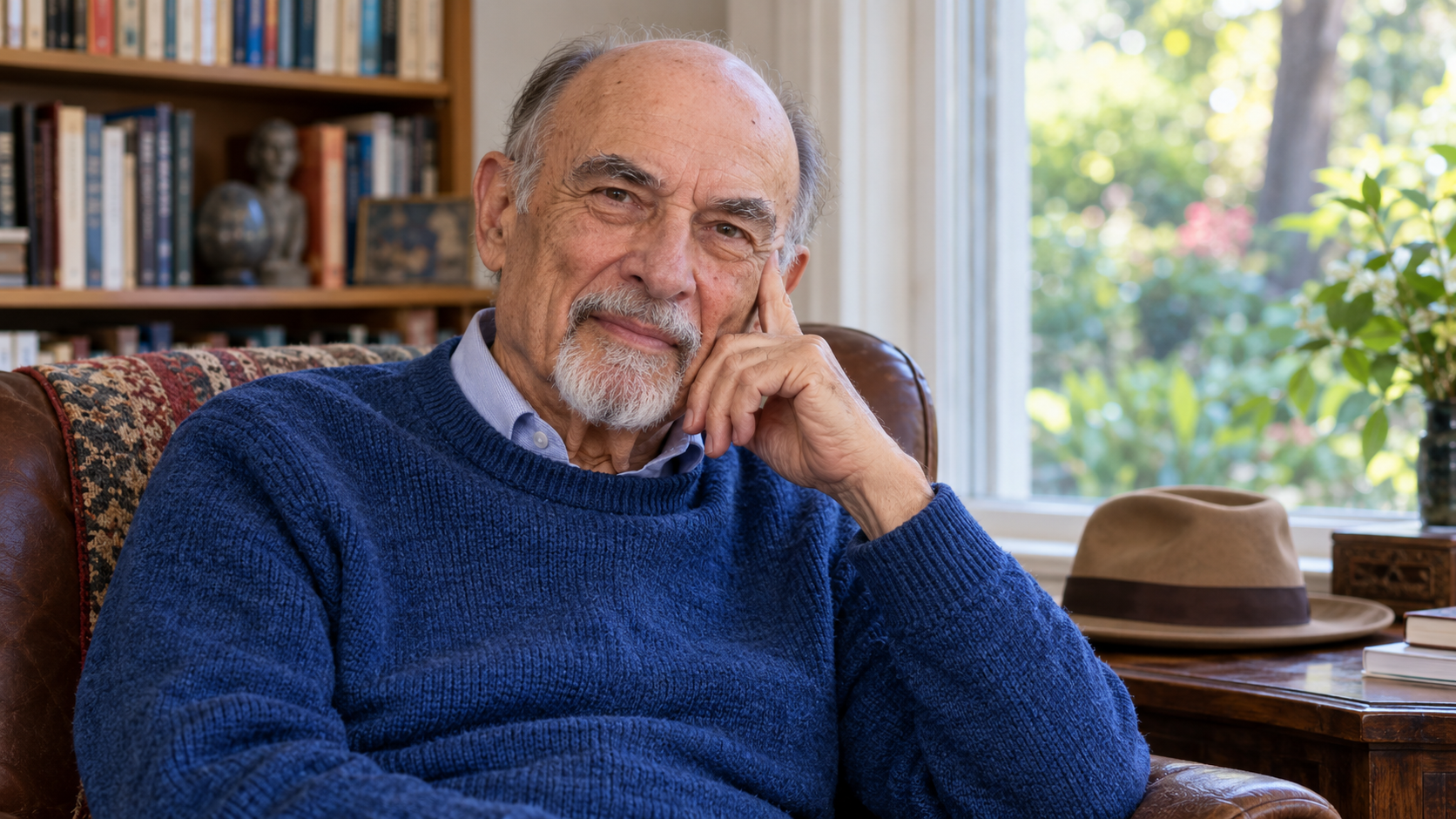
“It’s the relationship that heals.”
Irvin Yalom returns to this phrase as a reminder of what matters in psychotherapy. In an excerpt from The Gift of Therapy, he describes it as a refrain in his own teaching and practice. The surrounding account is reflective: he considers a moment when his professional manner concealed his own unease, and asks whether he was living up to his ideal of an honest therapeutic relationship. The short quotation brings the quality of an encounter into view. A method can be described in a textbook, but the person receiving care encounters it through someone’s attention, words and conduct. Yalom’s emphasis invites us to think about that difference. It does not make every relationship therapeutic, and it does not promise that warmth alone will resolve a mental health difficulty. It asks us to take the relationship within care seriously.
One way to explore the thought is to consider what happens when someone corrects an account of their experience. They might say that the professional has misunderstood what a particular event meant to them. The next response can shape whether they feel able to continue. A quick defense may leave the misunderstanding untouched. A careful question can make room for an explanation that was missing. This is a modest moment, with no dramatic revelation required, yet it shows something about how trust is built. The person learns whether their perspective can alter the conversation. Listening becomes visible through what happens next. Within a therapeutic setting, such moments belong to a professional relationship with responsibilities and boundaries. They are not a demand that a clinician become a friend or share every private thought. The point is to make room for a real person, rather than protecting a polished performance from challenge.
The phrase can also help readers distinguish encouragement from an unrealistic promise. A supportive relationship may matter deeply while someone still needs other elements of appropriate care. Difficulty or slow progress does not prove that a person failed to trust enough, or that kindness was absent. Human experience is more complicated than a short quotation can express. Still, the sentence offers a useful question for a conversation about care: what makes it possible for this person to speak, disagree and ask for clarification? The answer may involve consistency, respect and clarity about the professional’s role. It may also involve repairing a misunderstanding instead of pretending it never occurred. For those seeking help, these are qualities worth discussing as part of their experience. For those providing it, they ask for attention to how expertise is delivered. Yalom’s refrain keeps the human encounter in view, where knowledge meets someone who needs to be heard.
He repeats it as a professional refrain in an excerpt from The Gift of Therapy. The surrounding passage considers honesty and genuineness in a therapeutic encounter.
The short phrase is also quoted in a 1999 professional journal discussion of his writing. This post presents the familiar refrain without assigning an unverified first-use date.
Professional care has roles, responsibilities and boundaries. Taking the relationship seriously does not require abandoning those distinctions.
The reflection concerns attention, respect and the ability to address a misunderstanding. It is not an instruction about a therapist’s personal disclosures.
No short sentence can promise an outcome for an individual. The relationship belongs within a wider account of appropriate care.
A useful question is whether someone can speak honestly, ask for clarification and be heard. Those qualities can be discussed without turning trust into a test the patient must pass.
Explore more "Quotes of The Day"
Discover more notable quotes from influential voices across politics, science, business, technology, sports, and culture. Each quote offers insight into how ideas, beliefs, and decisions shape the world around us.