

Electronic Health Records vs. Personal Health Records Explainer
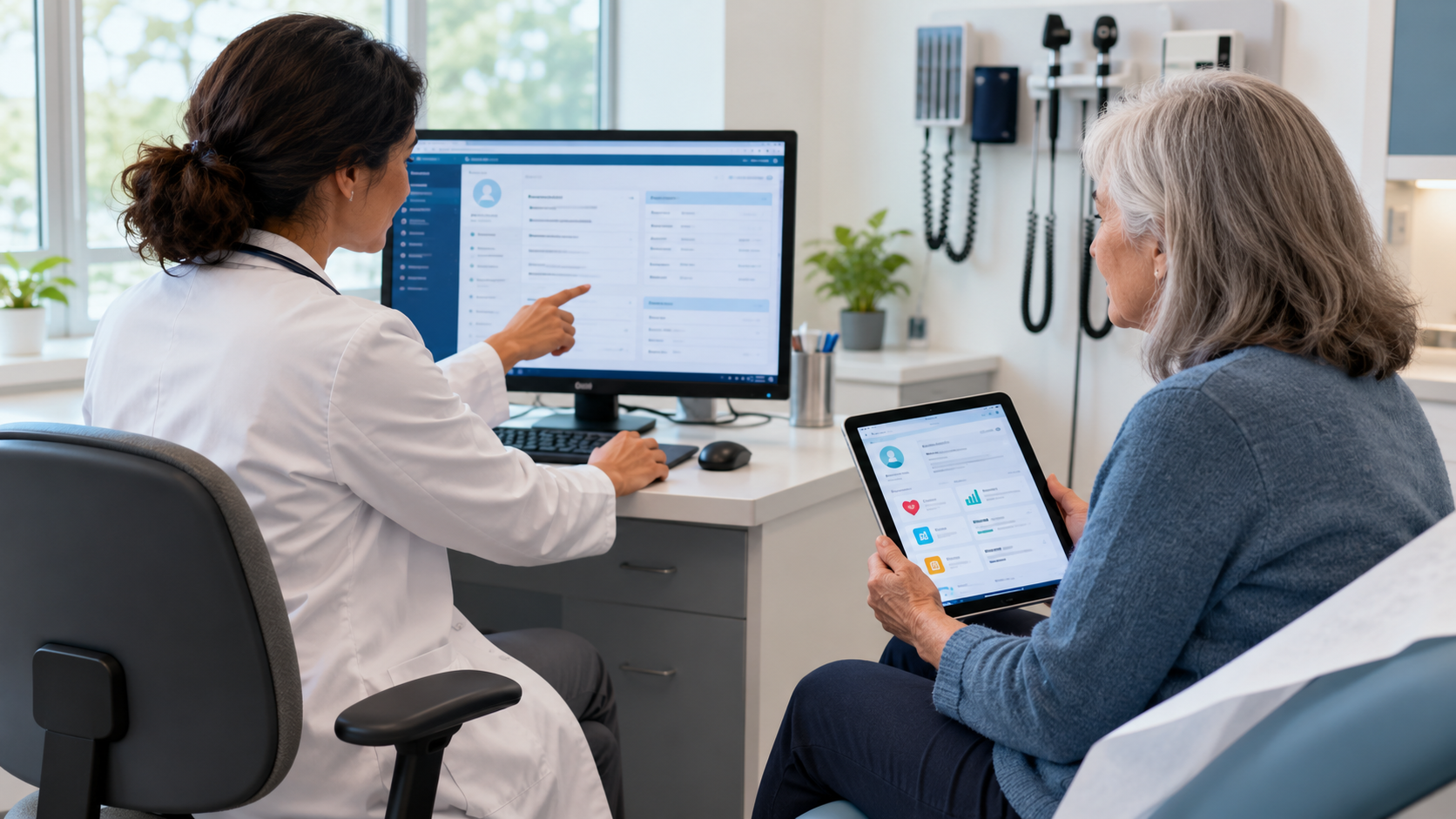
An electronic health record, or EHR, is maintained by health care organizations for clinical care, while a personal health record, or PHR, is controlled primarily by the individual. Both can contain medications, allergies, test results, and health history, but they differ in who enters information, who is responsible for the record, and how it is connected to care. A patient portal is often a window into part of an organization’s EHR rather than a separate, patient-controlled PHR.
Clinicians use an EHR to document visits, place orders, review results, coordinate care, and support billing and quality work. It may combine information from multiple professionals within an organization and exchange selected data with outside systems. A PHR can be a standalone app or a record that imports information from clinicians, health plans, devices, and the patient. People may add home readings, goals, family history, or documents that matter to them.
Neither label guarantees completeness. An EHR reflects what its organization receives and documents, and a portal may show only selected fields or delayed results. A PHR depends on the sources it can connect to and the information a person chooses to maintain. Privacy protections also differ: data held by a HIPAA-covered provider are governed differently from information a consumer shares with an app that may fall outside HIPAA.
The records work best as complements. The clinical record supports treatment and legal documentation; the personal record can help someone organize information across settings and prepare for visits. Patients should know whether a tool is part of a provider’s system, what information it imports, who can access it, and how corrections are made. The central question is not which record is better, but which party maintains it and for what purpose.
Health care organizations maintain EHRs as part of clinical operations and the official medical record.
Individuals manage PHRs and decide what information to gather, enter, or share.
A portal usually displays selected information from a provider's EHR and offers services such as messaging or appointments.
It is not automatically a complete record of care received elsewhere.
Provider-held information and consumer-app data may be covered by different privacy rules.
Before connecting an app, review who receives the data and how the service stores or uses it.
Explore more "Explainers"
Discover additional explainers across politics, science, business, technology, and other fields. Each explainer breaks down a complex idea into clear, everyday language—helping you better understand how major concepts, systems, and debates shape the world around us.