

“We specialize in the wholly impossible.”
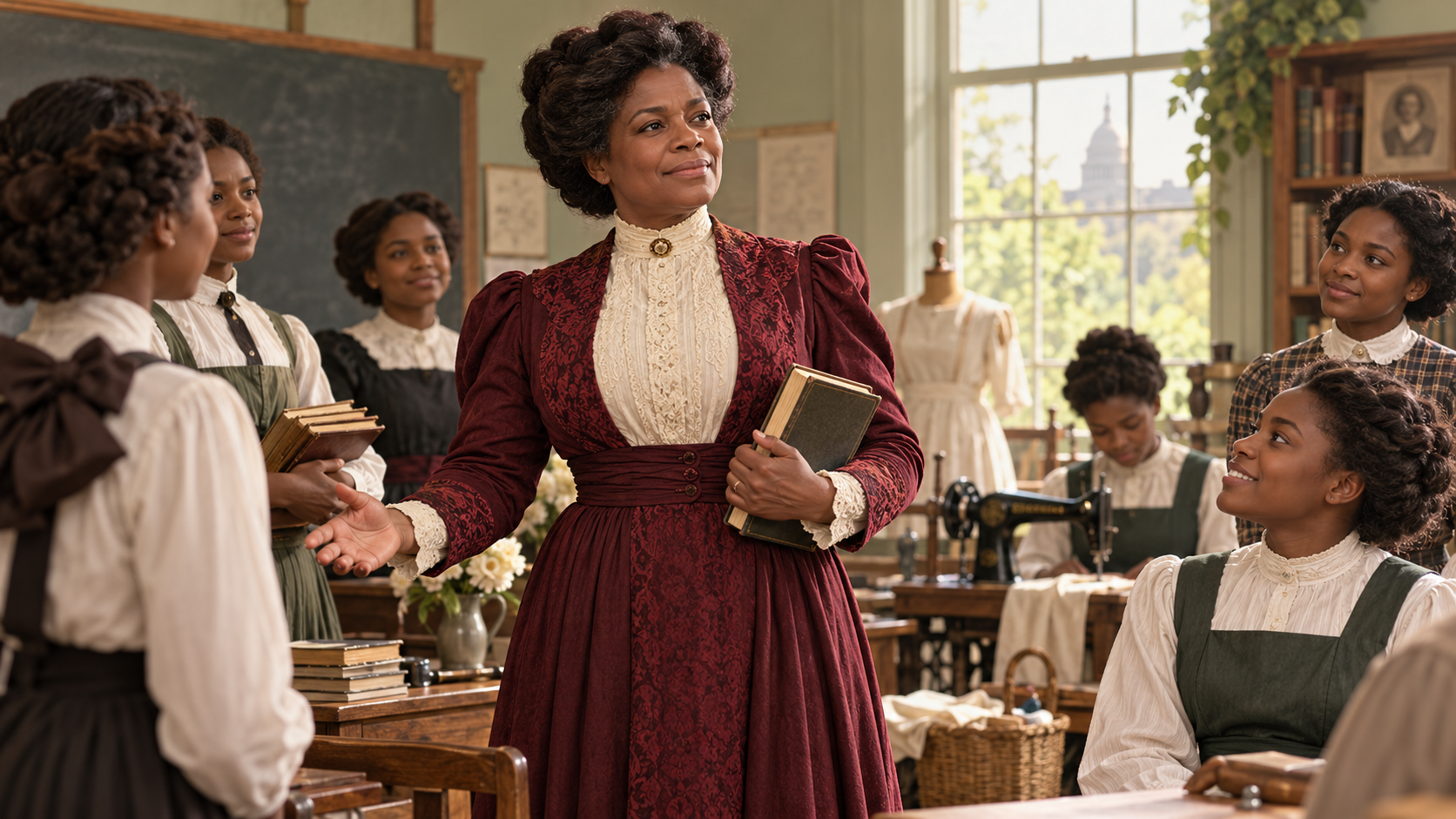
“We specialize in the wholly impossible” became the motto of the National Training School for Women and Girls, which Nannie Helen Burroughs opened in Washington, D.C., in 1909. Burroughs had raised funds largely through Black women’s networks after established institutions rejected or constrained her plans. The school combined academic study, vocational preparation, religious education, and Black history at a time when racism and sexism sharply limited formal training and professional opportunity for Black women.
The word specialize turns impossibility into work. It suggests methods, practice, standards, and an institution built to repeat success rather than a single dramatic exception. Burroughs did not wait for the surrounding society to imagine her students differently. She created a place where their abilities could be developed and made visible. The plural “we” also matters: the achievement belonged to teachers, students, donors, organizers, families, and communities whose combined effort changed what could realistically be attempted.
The motto should not romanticize impossible demands or excuse organizations that withhold resources. People already facing discrimination are often expected to perform miracles while others receive ordinary support. Some objectives are blocked by law, money, time, health, or safety, and acknowledging those limits can be responsible. Burroughs’s example is powerful because the ambition was joined to fundraising, curriculum, property, governance, and years of maintenance. Hope became credible through structure.
The line matters whenever a necessary goal is dismissed before anyone examines what makes it seem impossible. Replace the label with a list: which obstacle is technical, which is financial, which is political, and which exists only because no one has coordinated the available effort? Find the smallest institution the goal needs—a schedule, shared fund, training group, workspace, or written process—and build the first dependable part. Credit the people whose labor makes continuation possible. Burroughs’s motto is not a celebration of wishful thinking. It is a challenge to organize imagination. What appears impossible can change when a community combines skill, resources, memory, and persistence into a form sturdy enough to outlast the doubt that greeted it. Set milestones that distinguish a difficult path from a failing plan. If one method stalls, preserve what was learned and change the method without abandoning the purpose automatically. Celebrate maintenance as well as launch, because the second year often requires more discipline than the first announcement. An audacious goal becomes trustworthy when people can see how decisions are made, how resources are protected, and how the work will continue after its original champion steps away.
The words became the motto of Burroughs’s National Training School for Women and Girls, which opened in Washington, D.C., in 1909.
The school joined academic, vocational, religious, and Black-history education for students denied equal opportunity by racism and sexism.
The motto does not justify impossible workloads or institutions that demand miracles while withholding ordinary resources.
Burroughs paired audacity with fundraising, curriculum, governance, property, community networks, and long-term maintenance.
Calling a goal impossible can hide the fact that its obstacles are different problems requiring coordination rather than surrender.
Name the technical, financial, and political barriers separately, then build the smallest dependable structure that addresses one of them.
Explore more "Quotes of The Day"
Continue exploring how writers, thinkers, artists, and advocates have described the choices that shape an everyday life.