

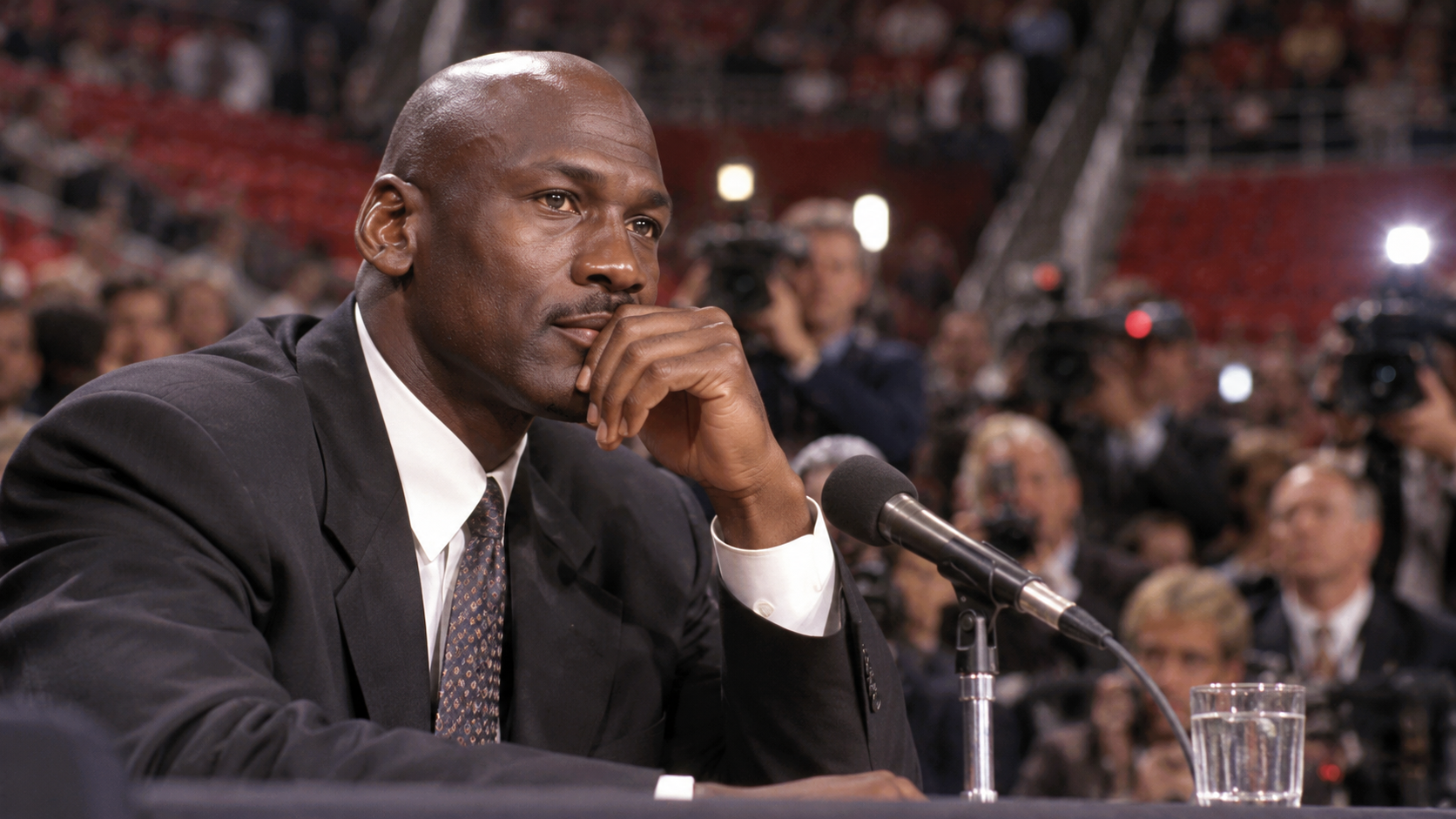
On This Day in Sports: January 13, 1999
On January 13, 1999, Michael Jordan announced his second retirement from professional basketball, ending the most successful chapter of the Chicago Bulls dynasty. The decision came during the NBA lockout, seven months after Jordan had delivered the winning shot in Game 6 of the 1998 Finals against Utah. At age 35, he said he no longer had the mental challenge needed to continue. The timing also reflected a changing organization: coach Phil Jackson had left, Scottie Pippen was headed elsewhere, and Dennis Rodman’s future in Chicago was uncertain. Jordan stepped away as a reigning champion rather than attempt to rebuild a team that had just completed its second three-peat.
Jordan’s six championships in eight seasons had transformed both the Bulls and the league. Chicago won titles in 1991, 1992 and 1993, then again in 1996, 1997 and 1998. Jordan was the Finals Most Valuable Player every time, and the Bulls never needed a seventh game in those six Finals. His scoring, defense and late-game control made him the defining player of the era, while the team’s popularity helped push NBA broadcasts, merchandise and sponsorships to an international audience. The 1998 season, documented amid tension between management and the coaching staff, ended with an image that seemed impossible to improve upon: Jordan holding his follow-through after the decisive jumper in Salt Lake City.
The announcement was called a second retirement because Jordan had first left the NBA in October 1993. He pursued professional baseball, playing in the Chicago White Sox system, before returning to the Bulls in March 1995 with the brief declaration, “I’m back.” Chicago lost to Orlando that spring, but the setback preceded a historic 72-win season and three more championships. The 1999 retirement felt different. The labor dispute had delayed the season, the roster was breaking apart, and Jackson’s departure removed the coach who had guided all six title teams. Jordan said family considerations mattered too, presenting the choice as a considered end rather than a response to injury or declining production.
Retirement did not become permanent. Jordan joined the Washington Wizards’ front office and returned to play for the team from 2001 through 2003, adding two seasons to his career without changing the meaning of January 13. The 1999 decision closed the Bulls’ championship era and marked a transition for the NBA after a decade organized around Jordan’s presence. Chicago fell immediately from champion to rebuilding team, while younger stars inherited the league’s center stage. His later comeback showed that competitive desire remained, but the second retirement preserved a clear boundary around the dynasty: six titles, two three-peats, and a final Bulls possession that ended with the championship-winning shot.
Jordan announced the decision during the 1998–99 NBA lockout, before Chicago had begun defending its sixth championship.
The Bulls’ core was already separating, with Phil Jackson gone and major roster changes expected after the 1998 Finals.
Chicago moved directly from a championship to a rebuild, and the shortened season began without the league’s most recognizable player.
Jordan was healthy and productive when he retired; the decision centered on motivation, family and the team’s changing direction.
His six Finals MVP awards and two three-peats became the foundation of his case as basketball’s defining modern star.
Jordan returned with Washington in 2001, but January 13, 1999 remains the formal end of the Bulls dynasty.
Explore more "On This Day in Sports"
Discover more landmark games, records, championships, and turning points from sports history. Each day revisits the athletes, teams, and moments that shaped competition and culture.