

How Basketball’s Shot Clock Works Explainer
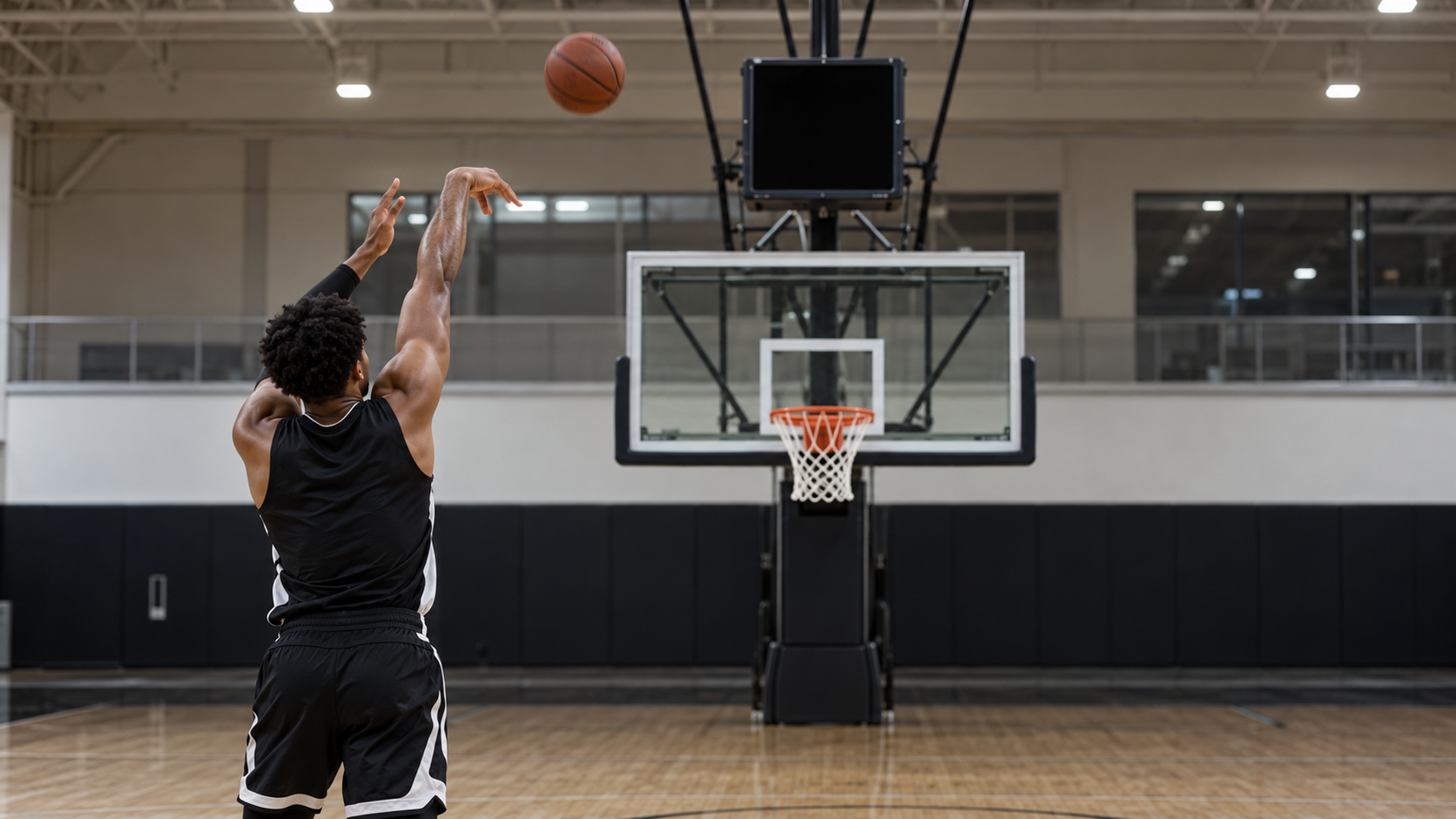
The shot clock limits how long a basketball team may control the ball before attempting a field goal. In the NBA, a team normally has 24 seconds. To avoid a violation, the ball must leave the shooter’s hand before zero and then touch the rim or enter the basket.
A shot that only hits the backboard does not satisfy the requirement. If the horn sounds while the offense still controls the ball or a released attempt misses the rim, play stops and the opponent receives possession. Officials can review timing when the end of the clock is close.
The clock resets to 24 after many changes of possession. It may reset to 14 when the offense retains the ball in the frontcourt after an offensive rebound, certain fouls, or specified violations. If more than the prescribed amount remains, some stoppages leave the current time unchanged.
The rule forces teams to turn possession into action and shapes pace, late-clock strategy, and end-of-game decisions. Other leagues use different clock lengths and reset rules, so the scoreboard must be read in the context of that competition’s code.
The ball must be released before the clock expires and then touch the rim or go in.
A backboard-only miss does not count as a legal shot-clock attempt.
A new possession commonly receives the full clock.
When the offense keeps the ball in the frontcourt, specified events may reset it only to 14 seconds.
The horn stops play and possession goes to the opponent.
Officials may review whether the release and rim contact occurred in time.
Explore more "Explainers"
Discover additional explainers across politics, science, business, technology, and other fields. Each explainer breaks down a complex idea into clear, everyday language—helping you better understand how major concepts, systems, and debates shape the world around us.