

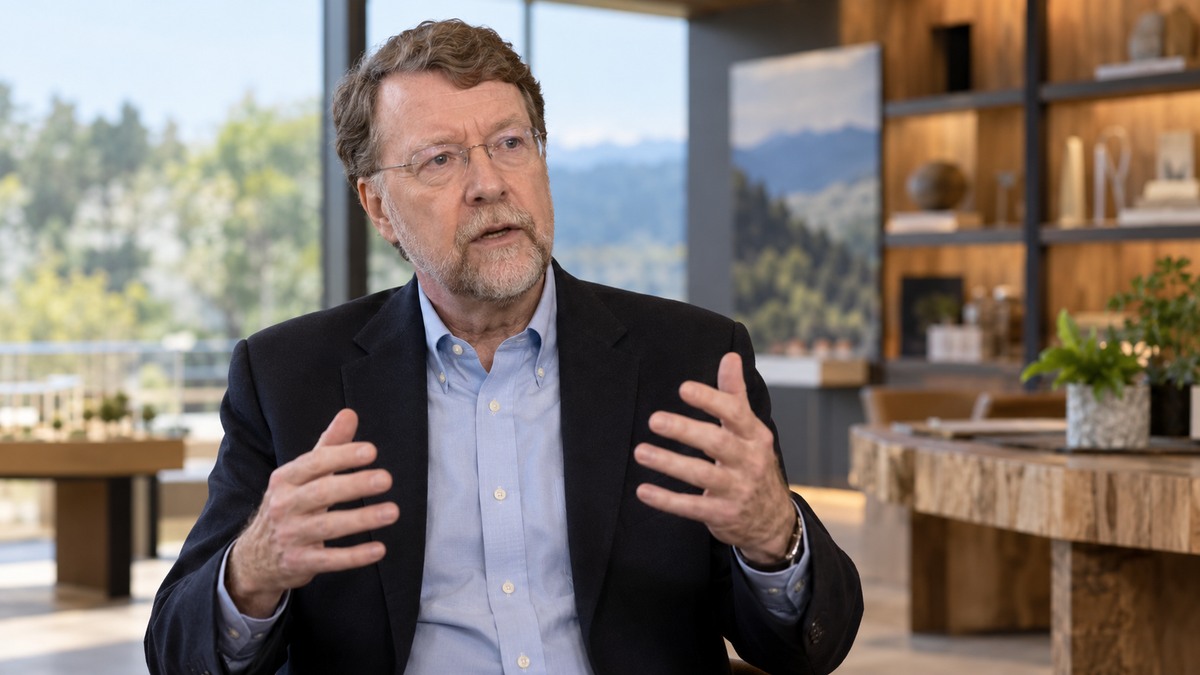
“The experience is the marketing.”
Experience-economy thinker Joseph Pine used his 2004 TED talk to discuss authenticity in a market of staged experiences. He argued that customers judge not only what a company says but whether the experience of the offering feels true to its identity and promises. The quote makes every operational touchpoint part of the brand. A polished campaign cannot compensate for confusing service, hidden fees, dismissive support, or a product that contradicts its public values. Experience supplies the evidence customers remember. Read in context, the statement directs attention toward a mechanism that can be observed, tested, and improved. The point is to make judgment observable without reducing a complicated human system to one convenient number.
Businesses can translate brand claims into observable behaviors across purchase, use, support, and recovery. Teams should identify the moments that create trust and give employees authority to resolve a failure in a way consistent with the promise. Managers make the idea concrete by naming an owner, an outcome, and a review point. Qualitative evidence, operational data, and direct experience should be considered together before expansion.
Authenticity is not an excuse for unfiltered behavior or theatrical performance. Companies remain constructed organizations, and customers may define credibility differently. Claims require substantiation, and personalization must respect privacy and boundaries. Responsible use also means surfacing the tradeoff that an inspiring summary can hide. This prevents the loudest advocate or most polished presentation from defining reality for everyone else.
As advertising becomes easier to automate, coherent experience becomes a stronger differentiator. Pine’s line pushes strategy into operations: the most persuasive message may be the customer’s direct encounter with how the company behaves. Choose one brand promise and walk the complete customer journey as if seeing it for the first time. Record every contradiction, assign one to an owner, and measure whether the repair improves trust or reduces avoidable support. The strongest result is an organization able to learn from both the outcome and the reasoning that produced it. Scaling should follow demonstrated value and clear safeguards, with enough flexibility to pause when new evidence changes the balance. Leaders should also state what existing activity will end if the new practice continues. Without that choice, improvement often becomes another layer of work and the organization mistakes busyness for progress. Removing an old report, approval, feature, or meeting demonstrates that the lesson has changed priorities. It also gives the people doing the work enough capacity to make the new behavior reliable. The next review should compare intended benefit, actual behavior, and any transferred cost.
Experience-economy thinker Joseph Pine used his 2004 TED talk to discuss authenticity in a market of staged experiences. He argued that customers judge not only what a company says but whether the experience of the offering feels true to its identity and promises.
The quote makes every operational touchpoint part of the brand. A polished campaign cannot compensate for confusing service, hidden fees, dismissive support, or a product that contradicts its public values. Experience supplies the evidence customers remember.
Businesses can translate brand claims into observable behaviors across purchase, use, support, and recovery. Teams should identify the moments that create trust and give employees authority to resolve a failure in a way consistent with the promise.
Authenticity is not an excuse for unfiltered behavior or theatrical performance. Companies remain constructed organizations, and customers may define credibility differently. Claims require substantiation, and personalization must respect privacy and boundaries.
As advertising becomes easier to automate, coherent experience becomes a stronger differentiator. Pine’s line pushes strategy into operations: the most persuasive message may be the customer’s direct encounter with how the company behaves.
Choose one brand promise and walk the complete customer journey as if seeing it for the first time. Record every contradiction, assign one to an owner, and measure whether the repair improves trust or reduces avoidable support.
Explore more "Quotes of The Day"
Discover more notable quotes from influential voices across politics, science, business, technology, sports, and culture. Each quote offers insight into how ideas, beliefs, and decisions shape the world around us.